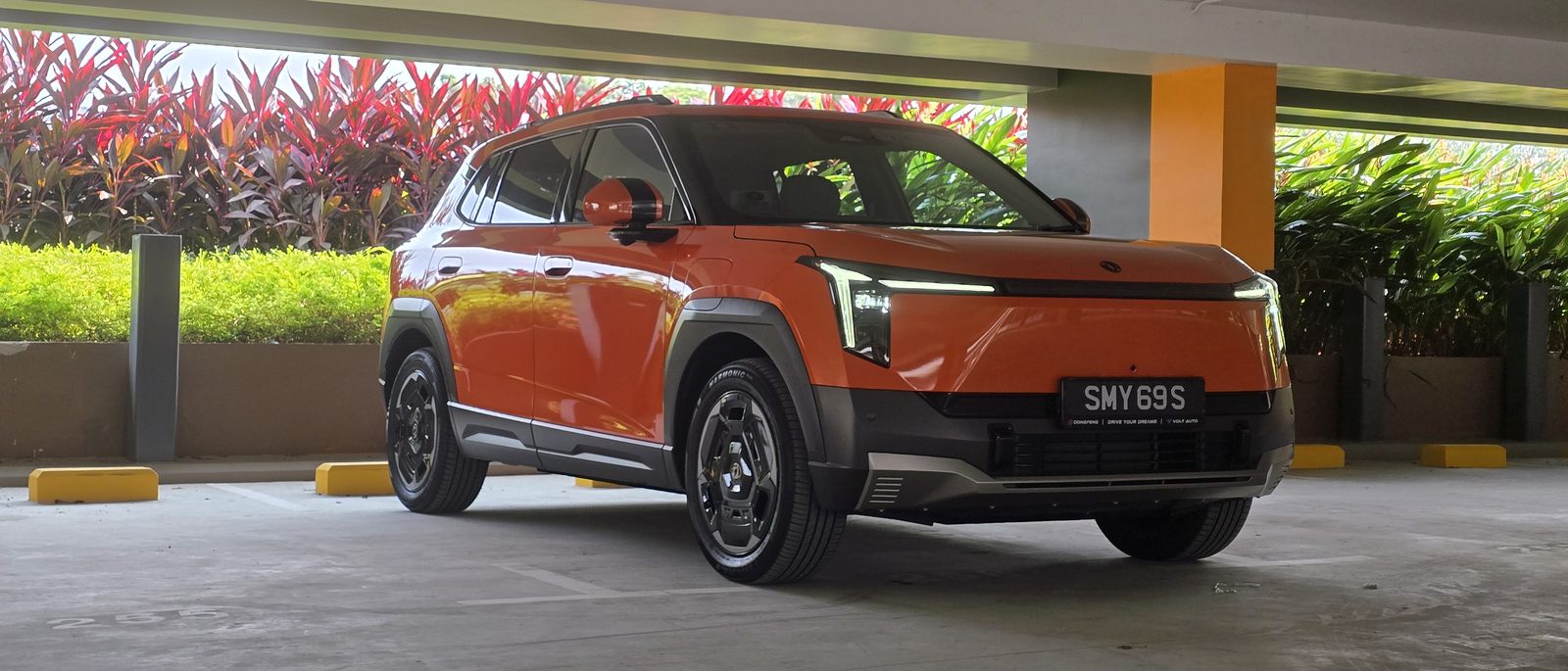
The sensible one
This is part two of our Dongfeng series, after the 007. That car was a 200 kW sedan with silly pace and a spec sheet that kept on giving. The Vigo is the sensible sibling: a compact Cat A family SUV that trades the theatre for space and a smaller bill.
In a sentence: this is a simple, honest family SUV that is easy to drive, easy to park and easy to live with.
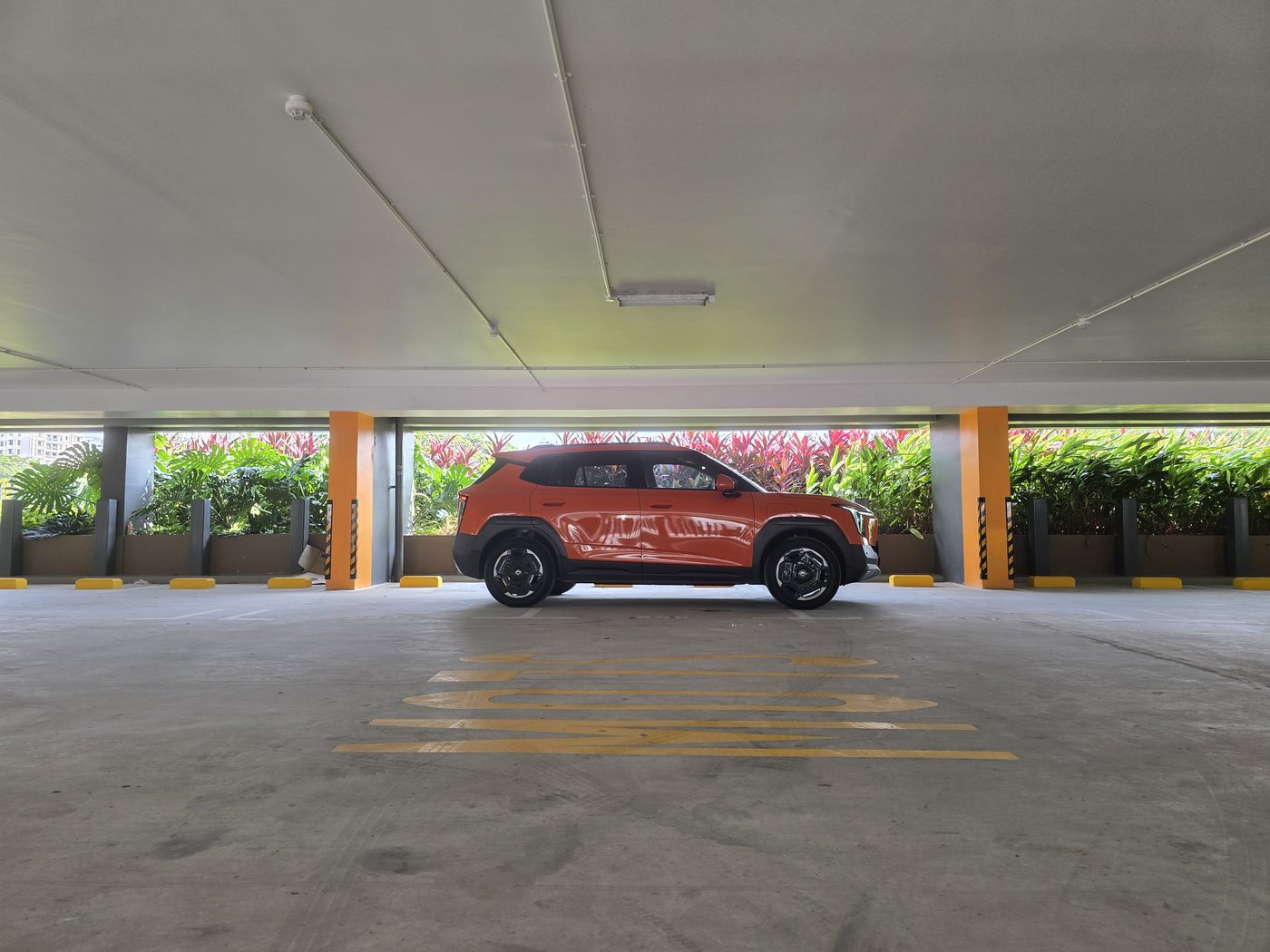
It helps that I like the look of it. The test car came in Canyon Orange, and the boxy shape stands out in a car park full of soft, rounded crossovers. Cars at this end of the market usually look like appliances. This one has a bit of personality.
The cabin
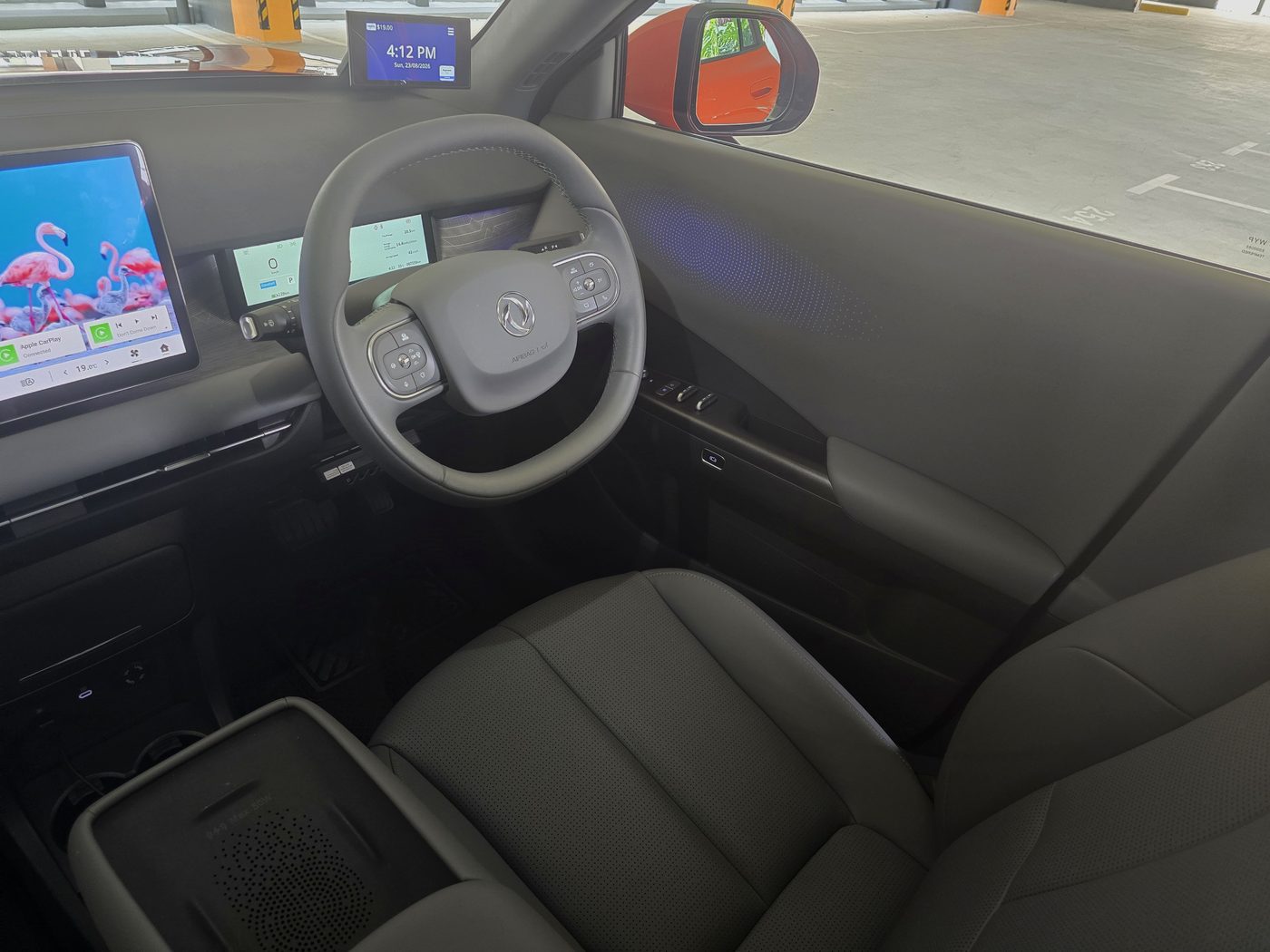
Plain and simple, in a good way. You sit high, with a clear view out, facing a 12.8-inch central screen and an 8.8-inch driver display. Both are a decent size for the money.
The seats are the surprise. They are genuinely comfortable, both front chairs get power adjustment, and the driver's seat is ventilated. Ventilated seats, on one of the most affordable EVs on sale here, when cars costing far more still skip them.
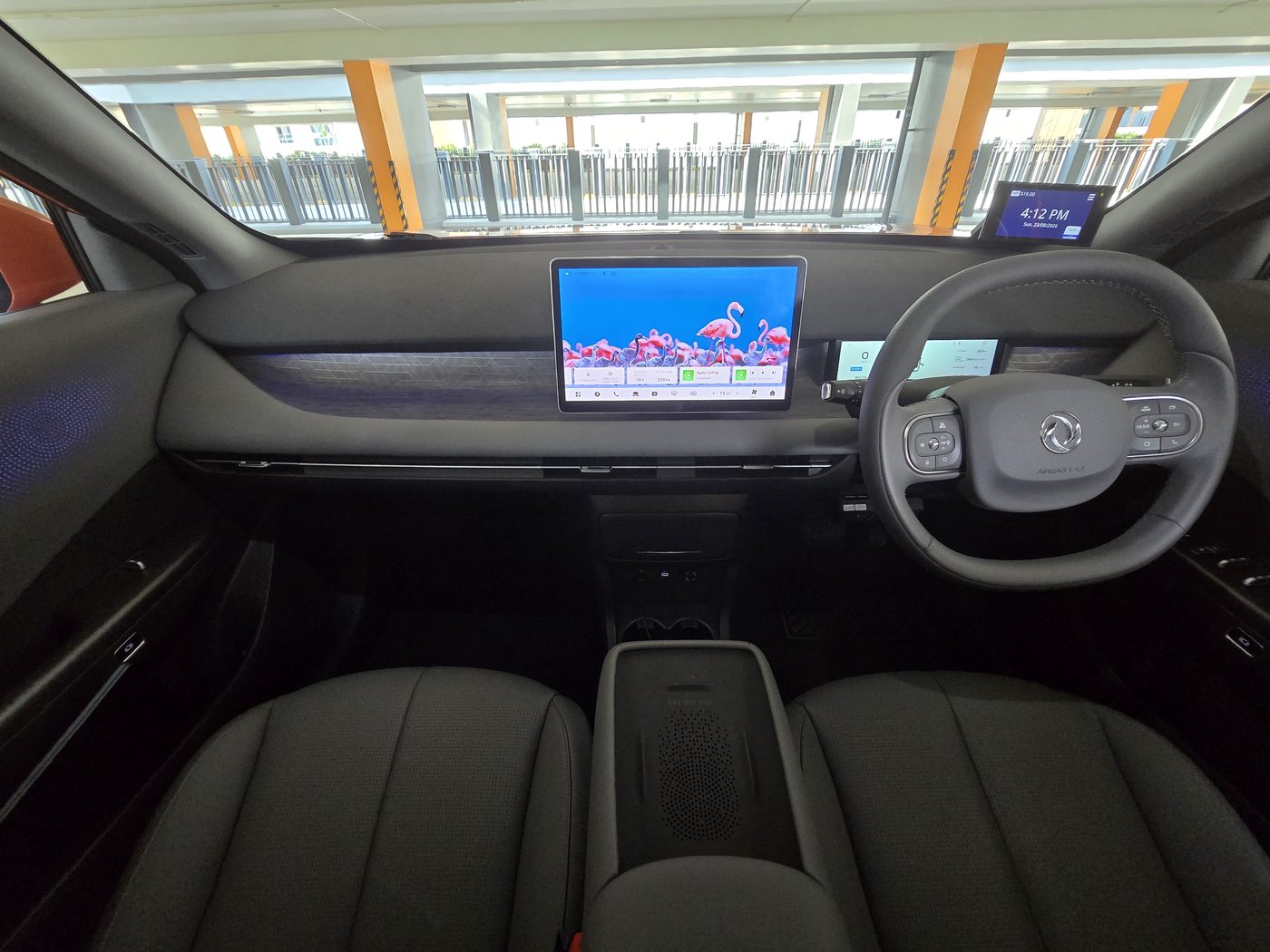
Materials are honest about the price. Soft touch where your arms land, hard plastic below the knee line, and the same long strip of hard plastic running behind the screens that we saw in the 007. Storage is decent without being generous, and the 50W wireless charger up front is ventilated, another spec you don't expect down here.
The party tricks: ambient lighting that syncs to music, which is funkier than it has any right to be, and an external speaker that turns the car into a giant Bluetooth speaker. I never found a real use for it in Singapore. It's there if you do.
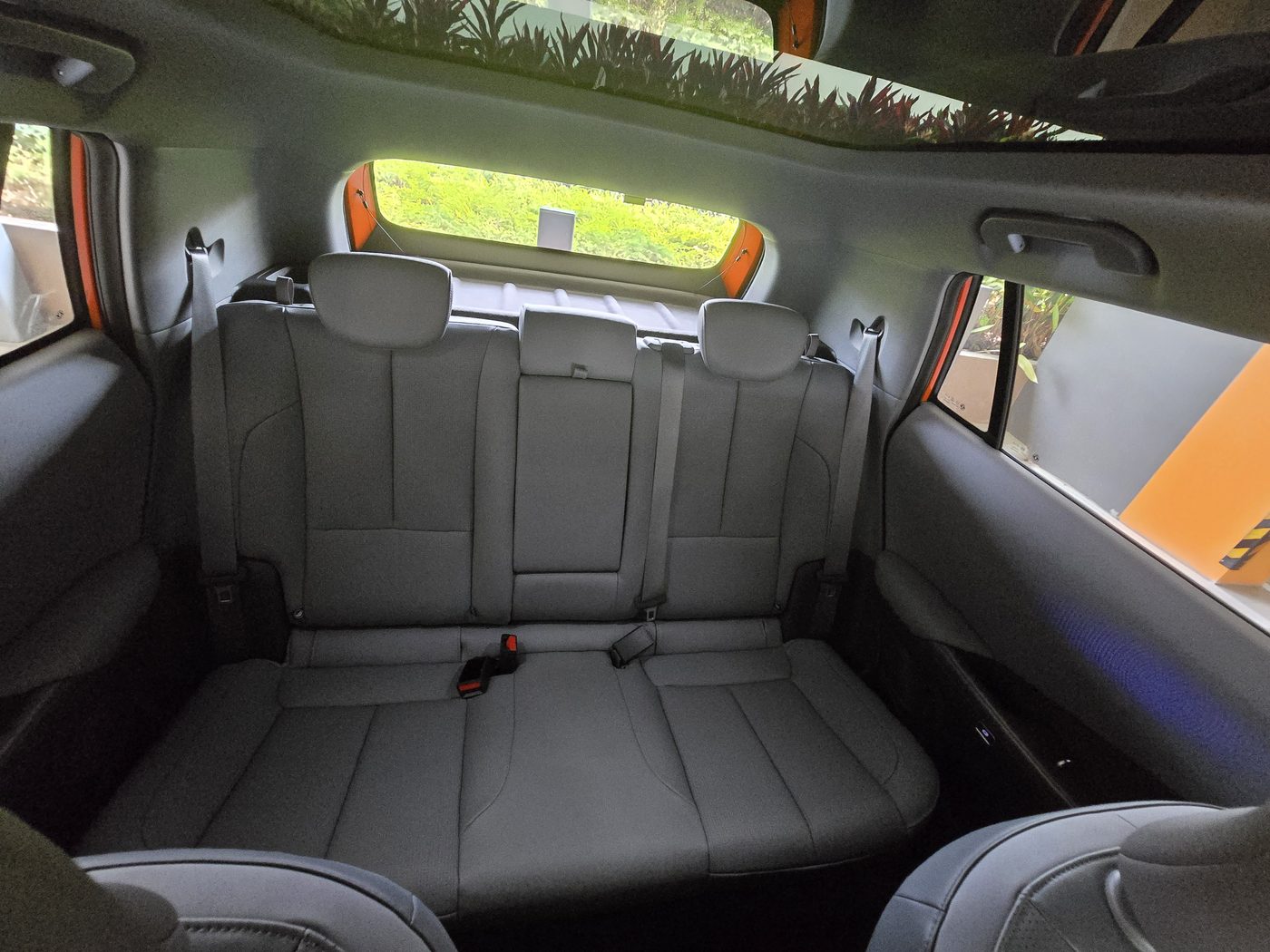
The back seat has a good amount of space for the footprint, and the flush door handles are powered. Small premium touches keep showing up in a car that has no business having them.
Tech and the aids
Apple CarPlay connects wirelessly and works well. Android Auto is the sore point, same as the 007: as an Android user I spent the time fiddling with a dongle, and there is no native navigation to fall back on. iPhone owners can skip this paragraph. Android owners should budget some patience.
The driver aids are where the budget shows. The usual Level 2 suite is fitted, including adaptive cruise. The lane-keeping is the one I have strong opinions about: it corrected so aggressively that it got in the way of normal driving, and I switched it off. There is no blind spot monitor and no auto park either, features that have quietly become standard even in this class.
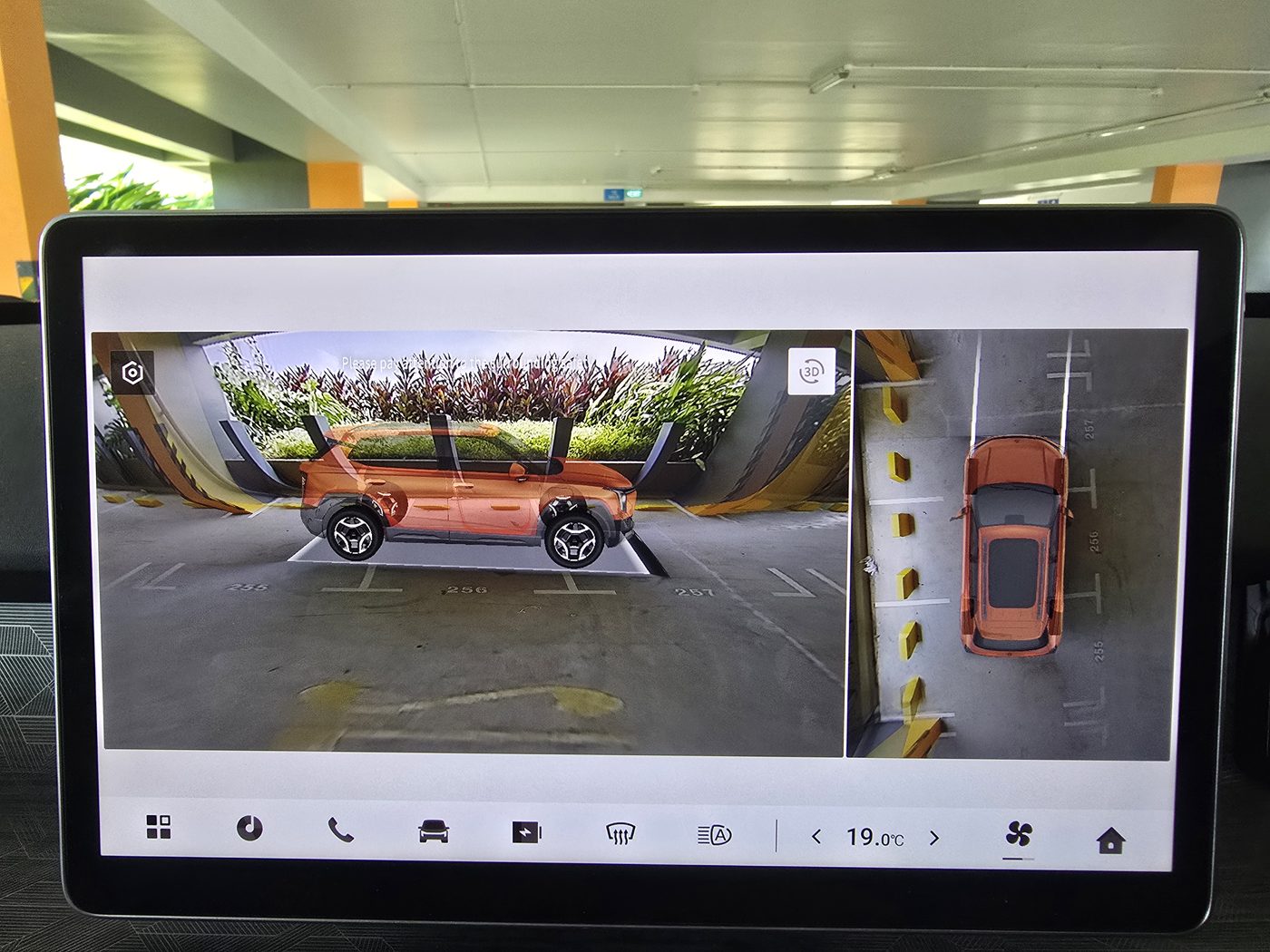
Some cars are more than the sum of their parts. This one is exactly the sum of its parts. At this price, that's enough.
The drive
Torquey enough for a Cat A car, and I appreciated that. Pull-away from the lights is brisk in the way that matters for daily traffic, and the numbers beyond that are irrelevant to what this car is for.
The ride is the pleasant surprise. It glides over bumps nicely, and the suspension tune feels well judged for our roads. The steering is light to the point of floppy, though never difficult.
Let me be clear: nobody will buy this as a driver's car, and nobody should. It is elevated, economical family transport, and on those terms it drives exactly as it needs to.
Living with it in Singapore
A full charge showed about 390 km of indicated range in my week, against the official 471 km. My average worked out to roughly 14 kWh/100 km on the trip computer, comfortably better than the official 17.4. For a family SUV, that is genuinely efficient.
The battery is LFP, which matters more than the chemistry lesson suggests: you can charge to 100% every day without worrying about the pack. That 390 km is a true full-tank figure, not an 80% compromise. DC charging peaks at a claimed 167 kW, which is quick for this class, and home or mall AC tops out at 6.6 kW.
One honest gripe: the cabin runs warm on hot afternoons. Blame the big panoramic glass roof. The aircon copes, but it is decent rather than powerful, so on the most brutal days you will feel it working. In fairness, a glass roof heating up a cabin is hardly unique to this car.
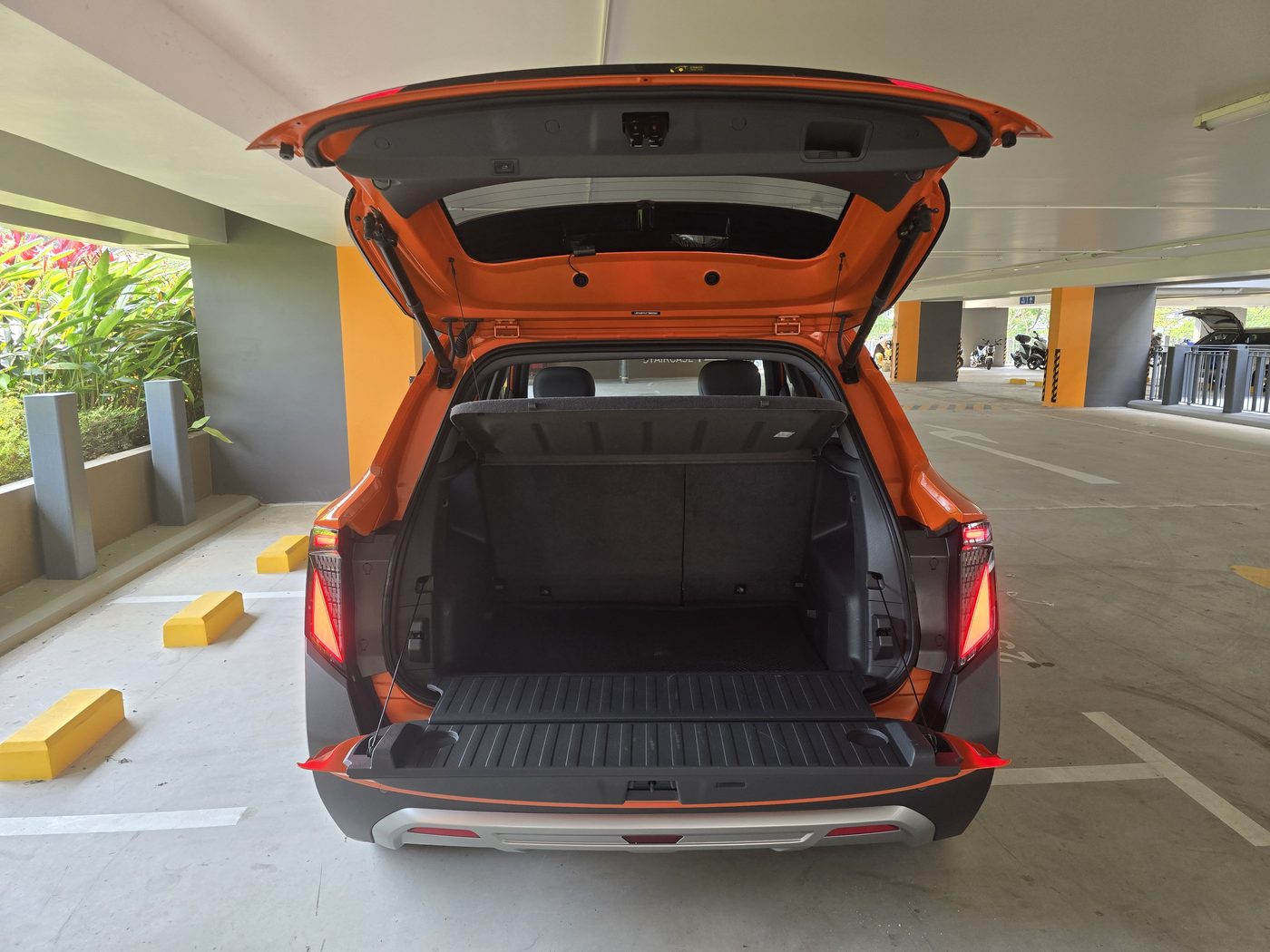
The boot might be the best thing about this car. 500 litres, with a split tailgate: the lower section folds down flat, so heavy things slide in and out instead of being lifted over a lip. Anyone who has wrestled a stroller or a Giant-sized shop into a hatch will get it immediately.
The money
S$178,888 with COE on the August 2026 price list. Promos and COE move around, so treat that as a snapshot. Even so, it puts the Vigo among the most affordable electric SUVs in Singapore. Its natural rival is the BYD Atto 2.
Then stack up what that buys. Ventilated driver's seat, powered everything, panoramic roof, a 540-degree camera, the 50W charger. And the ownership maths is where it gets silly: the battery warranty runs 10 years with unlimited mileage, the vehicle warranty is 5 years or 100,000 km, and servicing is included for 10 years or 150,000 km. Volt Auto's own accessories list prices six servicing sessions at S$3,000, so the bundle is real money, not marketing.
The verdict
The Vigo knows exactly what it is. If you need a car to drop the kids at school, get to the office and do the weekend errands, and you don't care about driving dynamics or flashy infotainment, this is a lot of car for the money. The gaps are real: the aggressive lane-keep, the missing blind spot monitor, the Android Auto faff, the warm cabin. None of them touches the core job.
It does that job comfortably, and it leaves serious money in your pocket.