What smart used to be
If you have only seen this brand on a Singapore pricelist, some history is worth having, because it explains the car.
smart arrived in 1998 with the fortwo, a car 2.7 metres long with two seats and nowhere to put a suitcase. In Britain and Singapore it was a curiosity. In Rome and Paris it was a solution. European cities have streets laid out before cars existed, and parking there means squeezing into a gap the length of a sofa. The fortwo was short enough to go in nose-first, perpendicular to the kerb, in a space nothing else could use. Whole rows of them lined up like that. Owners paid real money for it, endured a gearbox nobody defends, and kept buying them for two decades because the car solved a problem that mattered every single day.
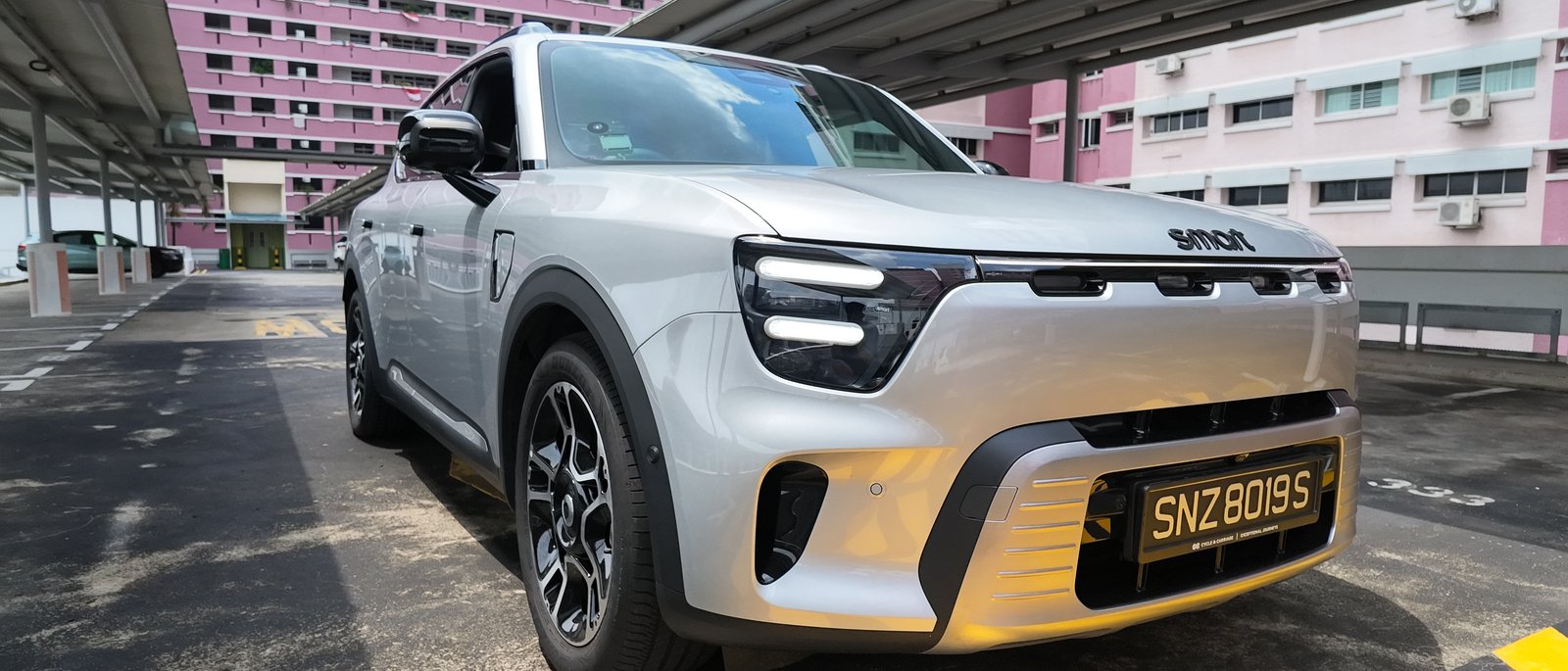
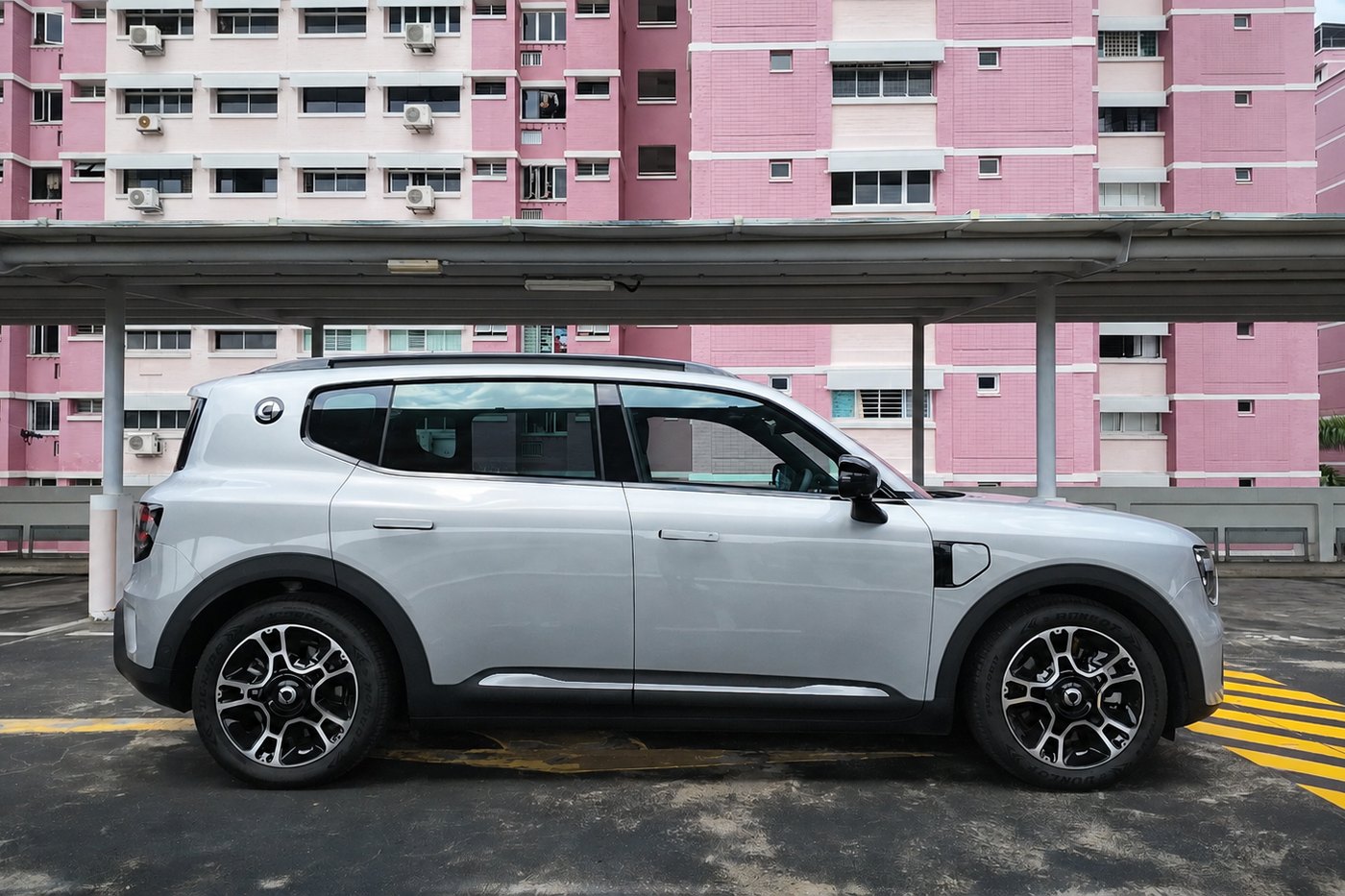
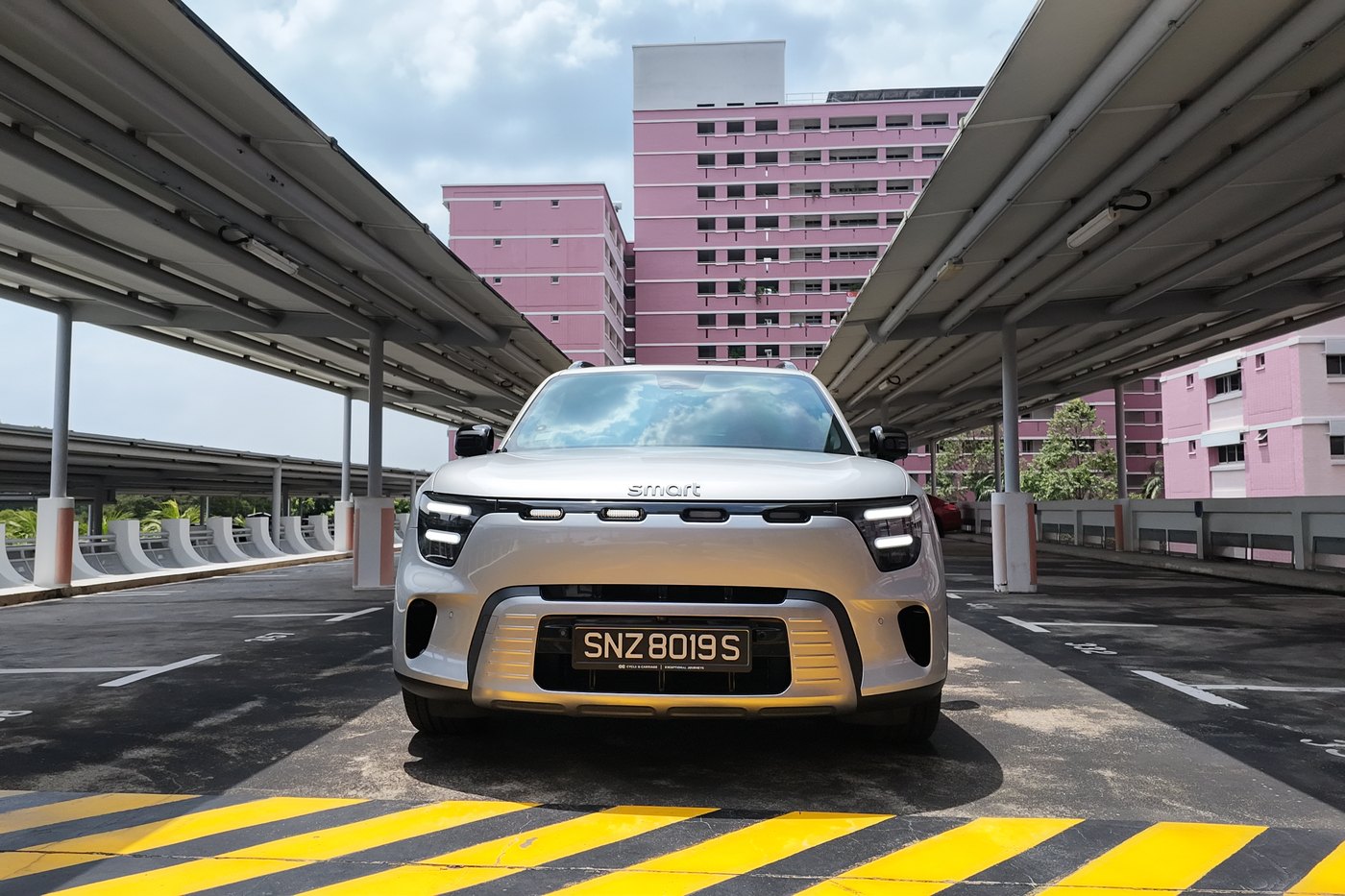
The brand belonged to Mercedes. Since 2019 it has been a joint venture, part Mercedes-Benz and part Geely, with the cars designed in Europe and built in China. That is how you get a #5 that measures 4,695 mm.
Two metres longer than the car the brand was built on. Same badge.
Inside
Everything you touch is soft. Dashboard, door cards, console lid, the low-down places where cars at this money usually stop trying and go hard plastic.
The Mercedes involvement announces itself fast. Not through the badge, through the way the seams line up and the switches feel when you press them. If you have owned a recent Mercedes you will recognise the logic of the place before you have worked out where anything is.
Seats are very good. The back ones are better than the front, which almost never happens, and they recline. I sat behind my own driving position with room to spare.
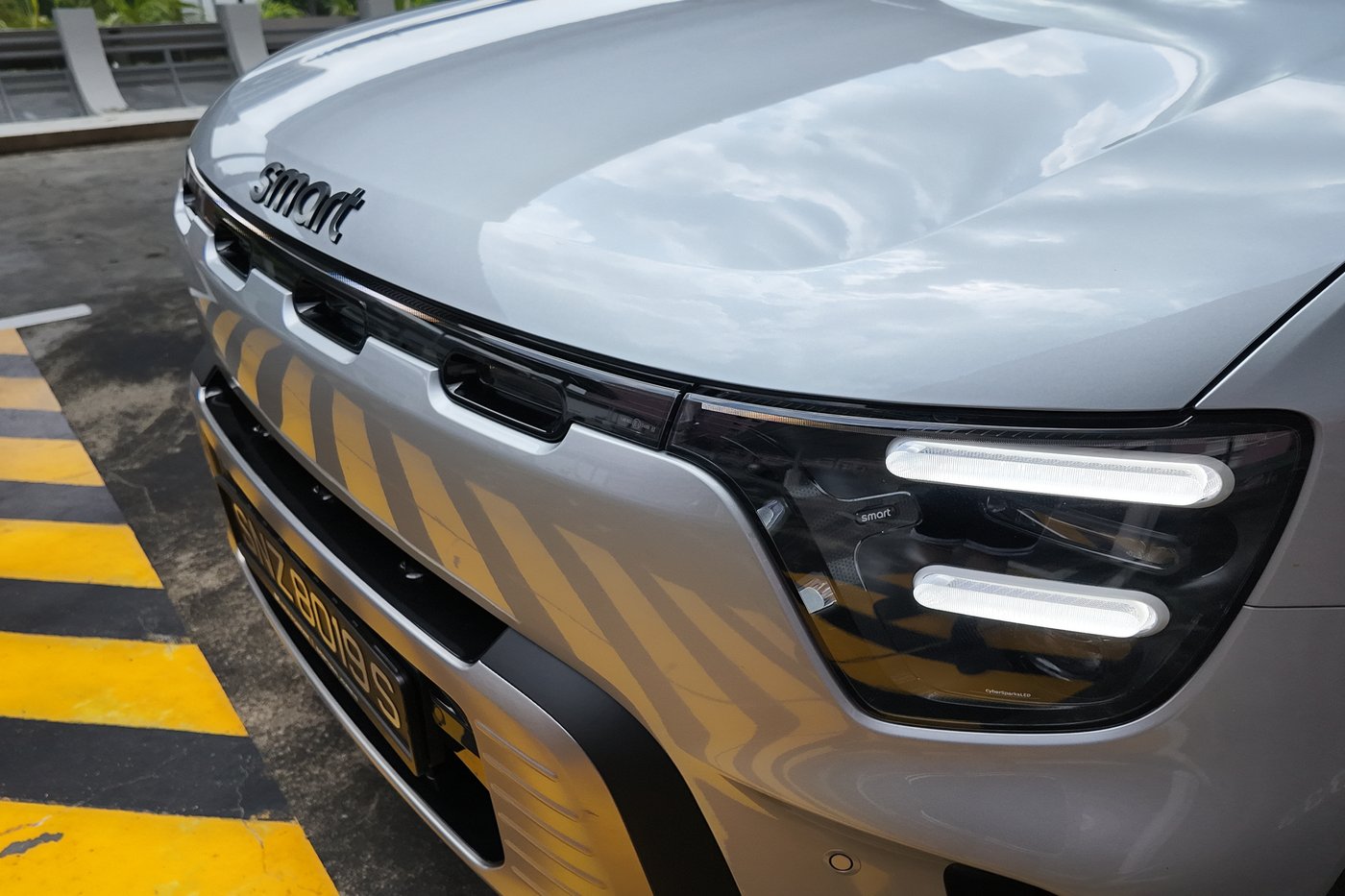
Then there are the details, and this car is full of them. The switch for the panoramic roof looks like a tiny speaker. The wheel caps stay upright while the wheels spin. To open the boot, you press the counter of the letter a in the "smart" badge on the tailgate, a button hidden inside the hole of the letter, which is the kind of thing that makes you grin the first time someone shows you. Up front there is a proper frunk, 72 litres, exactly the right size to swallow the charging cables so they never touch the boot floor.
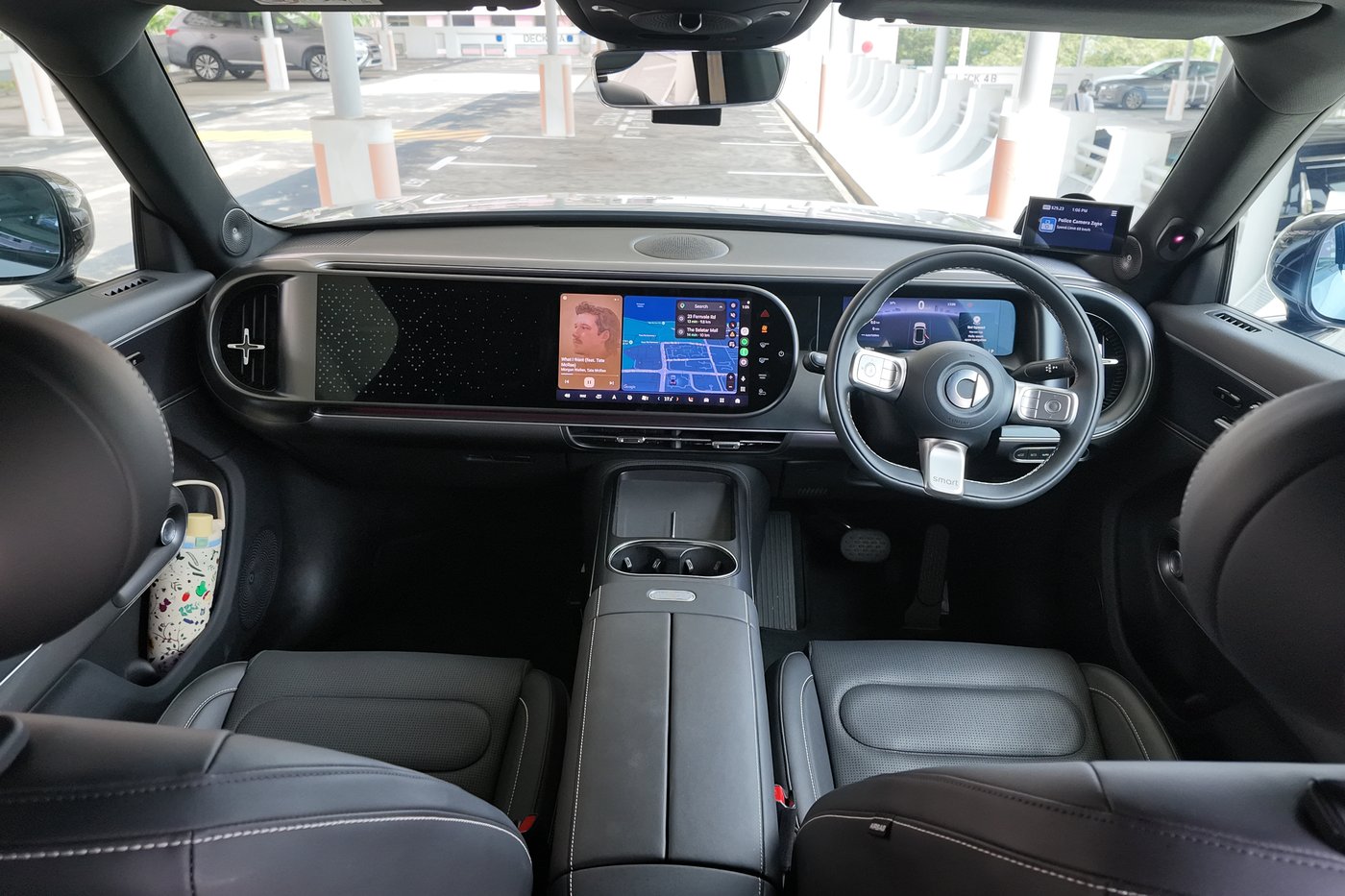
The centre console is huge and has an air vent running through it, so a drink left in there stays cold on a 33 degree afternoon, which is the sort of thinking you only get from someone who pictured this car somewhere hot.
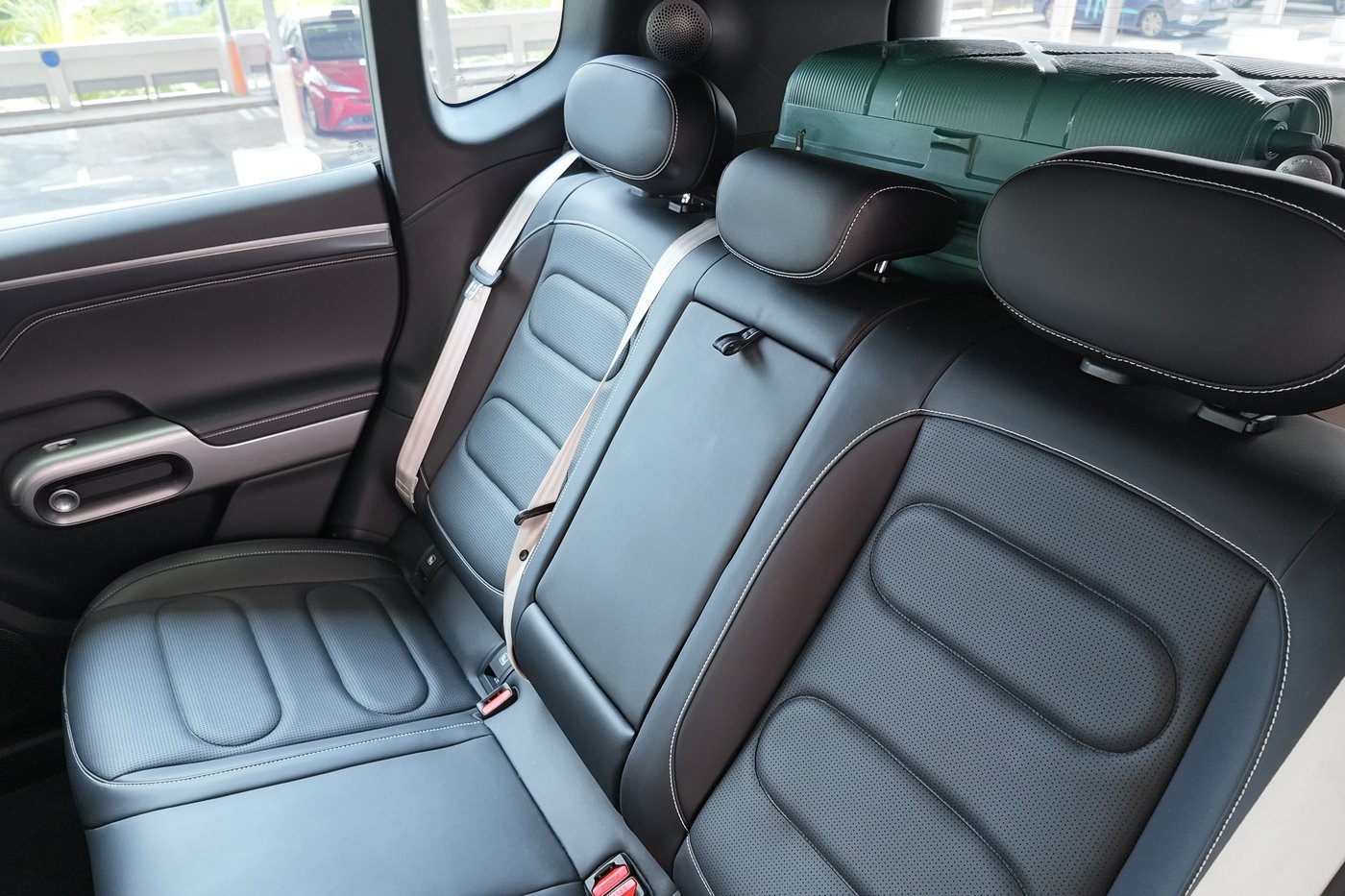
Small stuff, sure. But it is the small stuff that tells you people enjoyed making this car, and it is the small stuff you end up telling your friends about.
Leo
For anyone who missed the 1990s: Clippy was an animated paperclip that lived in Microsoft Word and appeared unbidden to ask whether you were writing a letter. Microsoft eventually killed it. Twenty-five years later it is still shorthand for software helping when nobody asked.
smart's assistant is a glowing lion called Leo, and I had him pegged as the same thing.
Then I started using him for everything. Folding the mirrors. Opening the roof. Dropping the aircon a degree. Winding down a window. In a car with this much screen and this few buttons, saying the thing out loud is faster than finding it, and Leo understood me the first time far more often than these systems usually do.
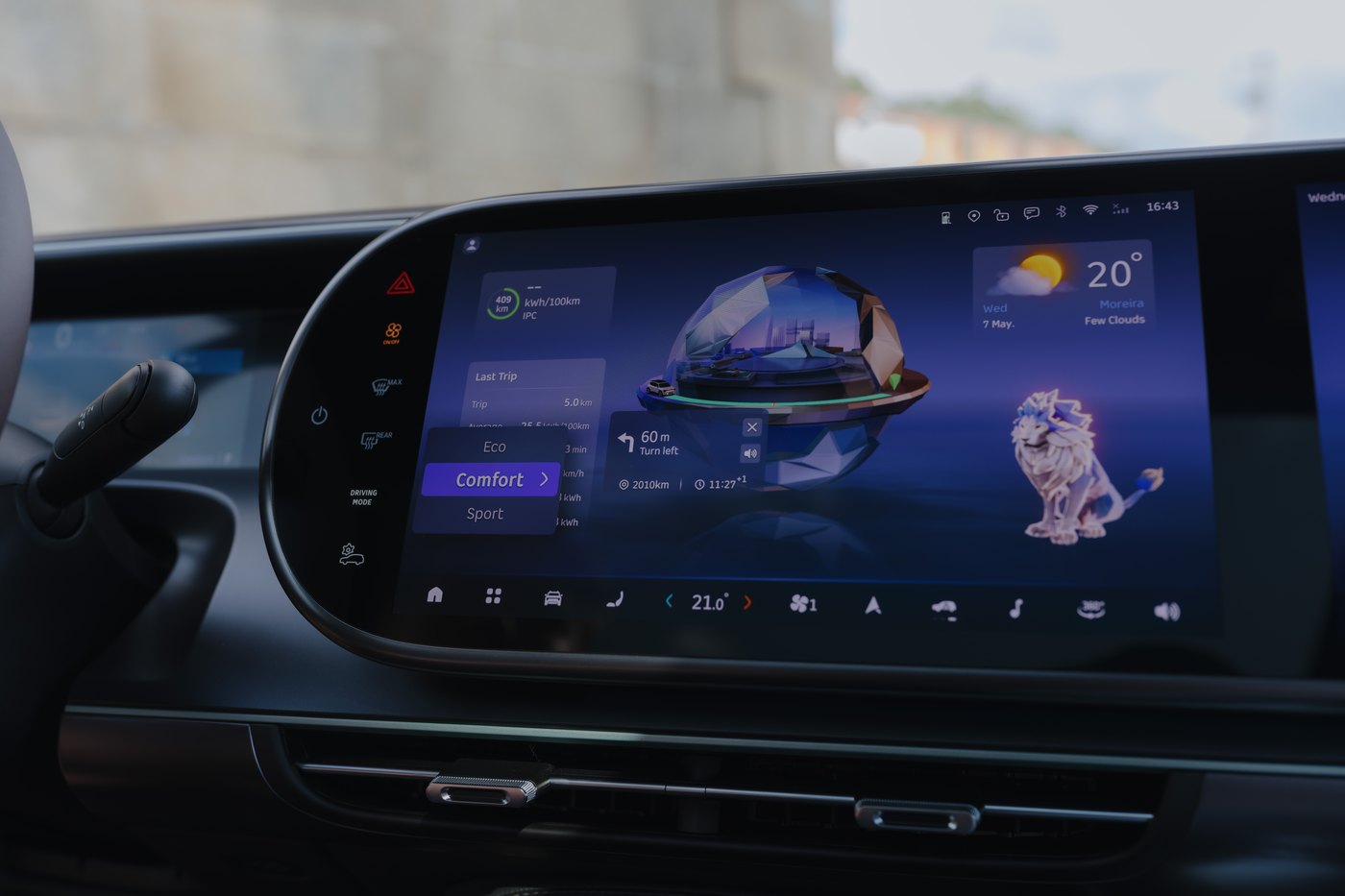
The hardware is a large part of why. There is an AMD V2000 chip behind the two 13-inch OLED screens and I did not catch it stumbling all week. Maps pan smoothly. Menus open the instant you touch them.
My favourite thing is smaller than any of that. One button cycles what the driver's display shows, so you can have navigation directly in front of you and the same map on the centre screen. On an unfamiliar exit that is worth more than any feature on the brochure.
Nine speakers in the Pro. Clear, decent body to it, no complaints at the volume I actually listen at. The Premium gets twenty and a Sennheiser badge. I never sat in one, so I won't tell you what you are missing. If a screen-led cabin is what you're after, the Volvo EX30 takes it even further and is worth a look alongside this.
The busy parent's car
If you asked me who this car is for, I would not describe a driver. I would describe a week.
School drop-off, groceries, office, dinner somewhere with awkward parking, repeat. The #5 is very good at that week. It is simple to drive, simple to see out of, it parks itself if you want, and it has all the mod cons where you expect them. Wireless charging with a vent next to it. A boot that swallows a week's shopping. 1,530 litres with the seats down for the weekend.
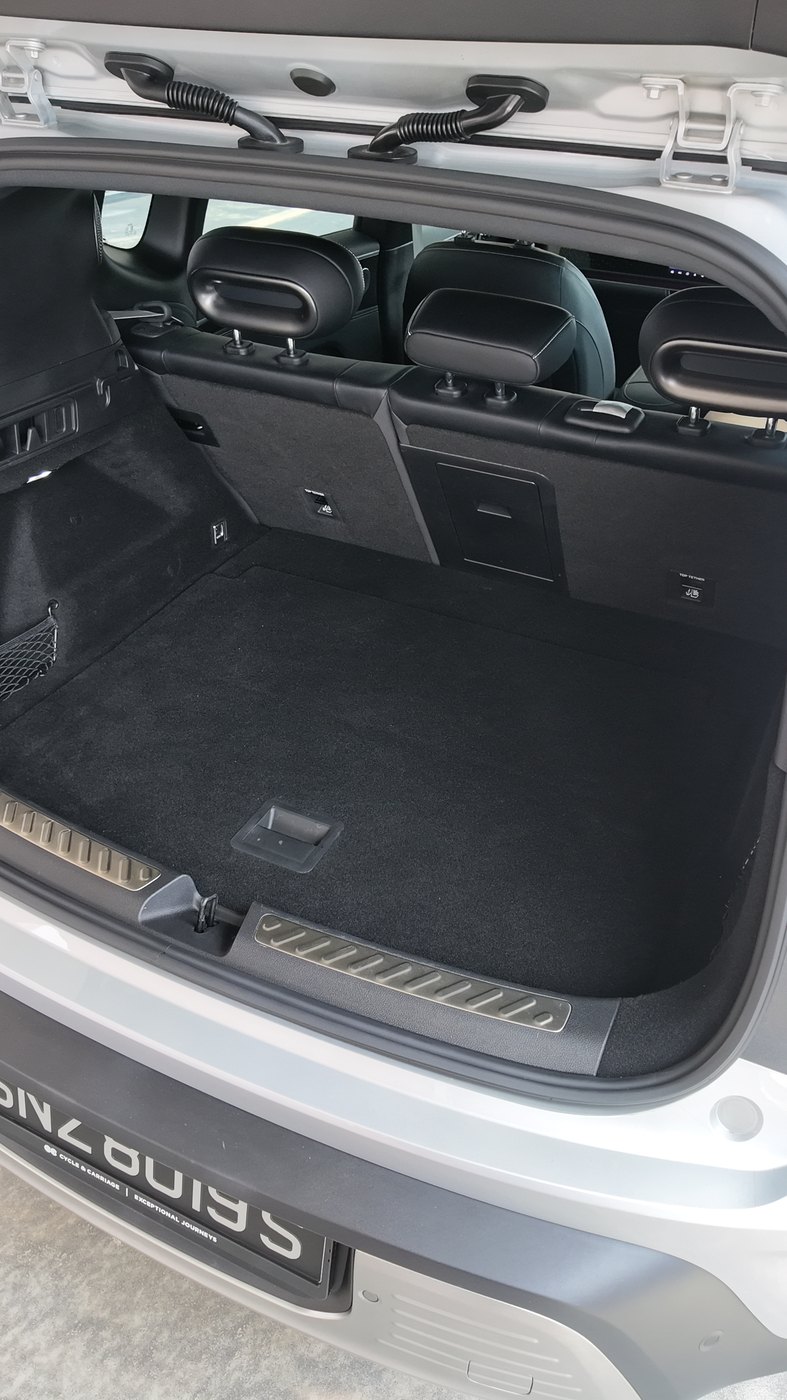
It is a get in, press go, stop thinking about it kind of car. That is a compliment. Most cars at this price are trying to be more interesting than that and end up being more annoying.
How it drives
Comfortable. Soft. Not remotely exciting.
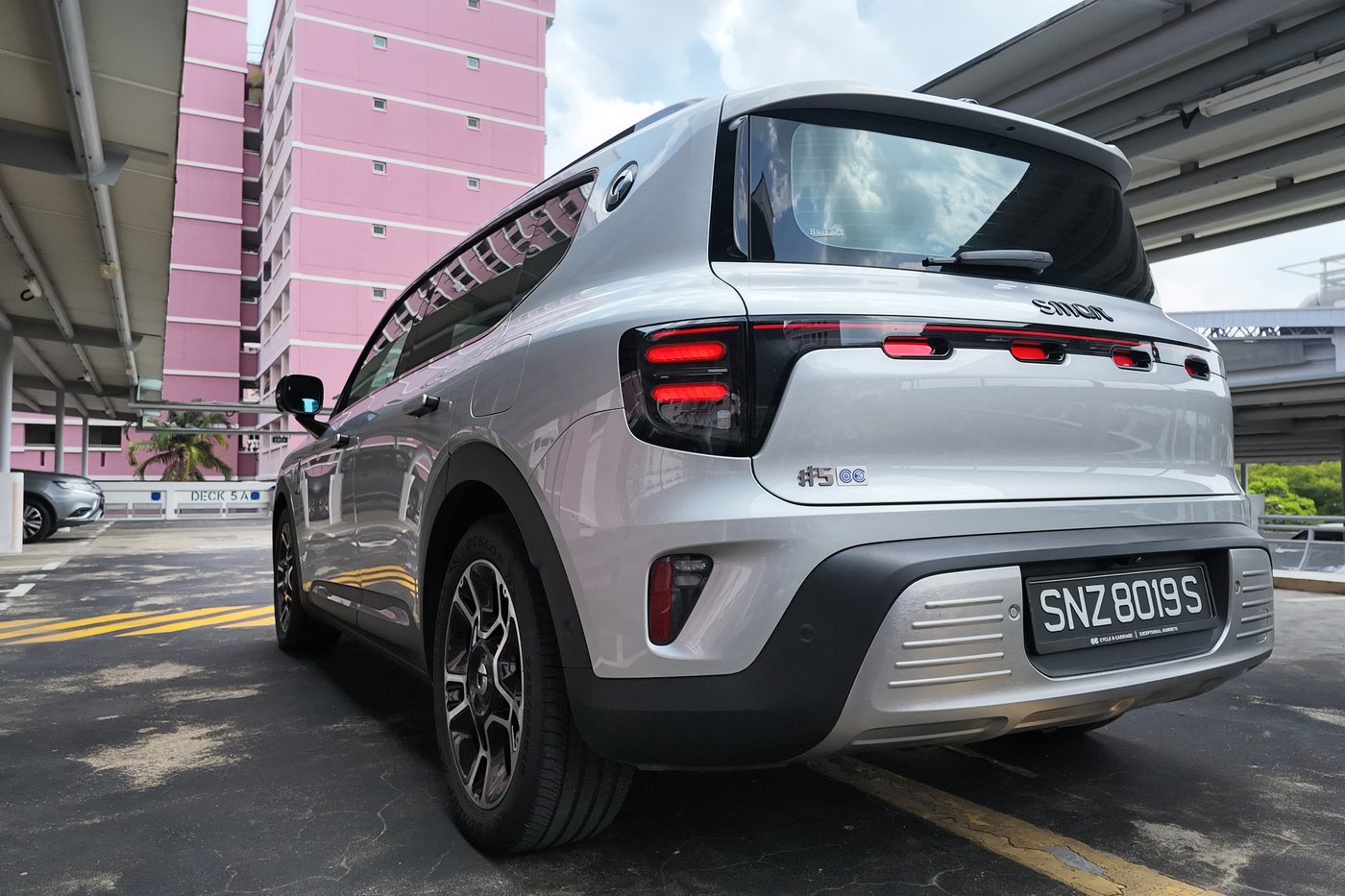
It rounds off expressway joins and speed humps nicely. The steering is light and vague, and there is not much coming back through the wheel. Take a corner with any real intent and you feel the height, then the weight, then the lean.
That is what happens when you build a tall box to maximise the space inside it. Every reviewer who has driven this car has said the same, and I am not going to argue with them.
If you want an EV that makes you take the long way home, look elsewhere: the MG4 Trophy costs a fraction of this and does exactly that. If you want one that makes forty-five minutes of stationary traffic painless, this is very much it.
The battery
Here is where the review turns, and it starts with a number that surprised me.
I averaged 17.2 kWh per 100 km. smart claims 18.5. So the car beat its own figure by around 7%, in tropical heat, with the aircon on the whole time.
That matters because the #5's reputation abroad is built on the opposite result. British and European testers have been recording somewhere between 22 and 26 kWh per 100 km and treating efficiency as this car's central flaw. In Singapore it simply is not one. No sustained motorway speeds, no cold to heat the cabin against, and a car that turns out to suit the way we drive. For reference, the Toyota bZ4X managed 16 kWh per 100 km on the same roads, and it is a smaller, lighter car.
Which leaves me with a car that is efficient and still short of range.
At 67% I had 290 km showing, so a full charge works out to about 430 km, and the consumption figure backs that up. Against a 465 km claim that is a good real-world result. As a number to live with, it is thin for something this size and this comfortable, and the reason is simply that 76 kWh is not much battery for a 4.7 metre SUV.
Charging compounds it. The Pro takes 11 kW on AC and under thirty minutes on DC from 10 to 80%. Every 15 and 20-minute figure in smart's brochure belongs to the Premium and its 100 kWh, 800V setup. At a rest stop that is the difference between a coffee and a meal.
There is a good long-distance car buried in this. It is boxy, quiet, enormously comfortable, with a flat boot and rear seats that recline. It is obviously built to go up the North South Highway with a family in it. And 430 km, loaded, with the aircon running the whole way, is not a car you relax in on that drive.
The S$38,000 question
Pro is S$235,000 with COE. Premium is S$273,000.
Sort my notes into two lists and the result is almost comic. Everything I praised is standard: cabin, space, screens, Leo, the vented console, the button hidden in the badge. Everything I criticised is fixed by the Premium: battery, range, charging speed, stereo, ventilated seats.
For the money you get 100 kWh and 590 km claimed, 22 kW AC and under twenty minutes on DC, a passenger screen, a head-up display, twenty Sennheiser speakers, Nappa leather on the wheel, and cooled front seats.
That last one nags at me. Ventilated seats are not a luxury item here, they are weather equipment, and the Pro only heats. On a car costing S$235,000 that is a strange thing to be denied.
Is the Premium worth it? Depends on which of the two cars you are buying.
Buy it for the week I described earlier and you are paying for range you will never reach. 430 km covers a fortnight of school runs. Save the S$38,000.
Buy it to take four people and their luggage north for a long weekend and the Premium is not an upgrade, it is the only version that does the job. Spread over a ten-year COE the difference is roughly S$317 a month, which is not nothing, but it is less than the petrol you used to burn.
What you cannot do here is split the difference. The UK gets a middle trim called the Pro+ with the big battery, the fast charging and none of the stereo and screens. Singapore does not offer it. So the one thing this car genuinely needs comes bundled with a lot of things it does not, and that is a decision made in an office, not in a factory.
The verdict
Two things are true about the #5 and they pull in opposite directions.
It is one of the most complete family EVs on sale here: beautifully put together, properly roomy, cleverer than it lets on, with actual personality, which is getting rare fast. Ten-year service package, eight years on the battery, and Cycle & Carriage behind it. For a family that would rather not think about their car, it is close to ideal.
And at S$235,000 it sits in the thick of a segment where a Model Y and an XPENG G6 both give you more numbers for the money, which you can line up side by side in our compare tool, while the version of the #5 I would actually put my own money on costs S$38,000 more than the one that was parked outside my flat.
Buy the Pro if your driving stays on this island. If the Causeway is part of your life, it has to be the Premium.