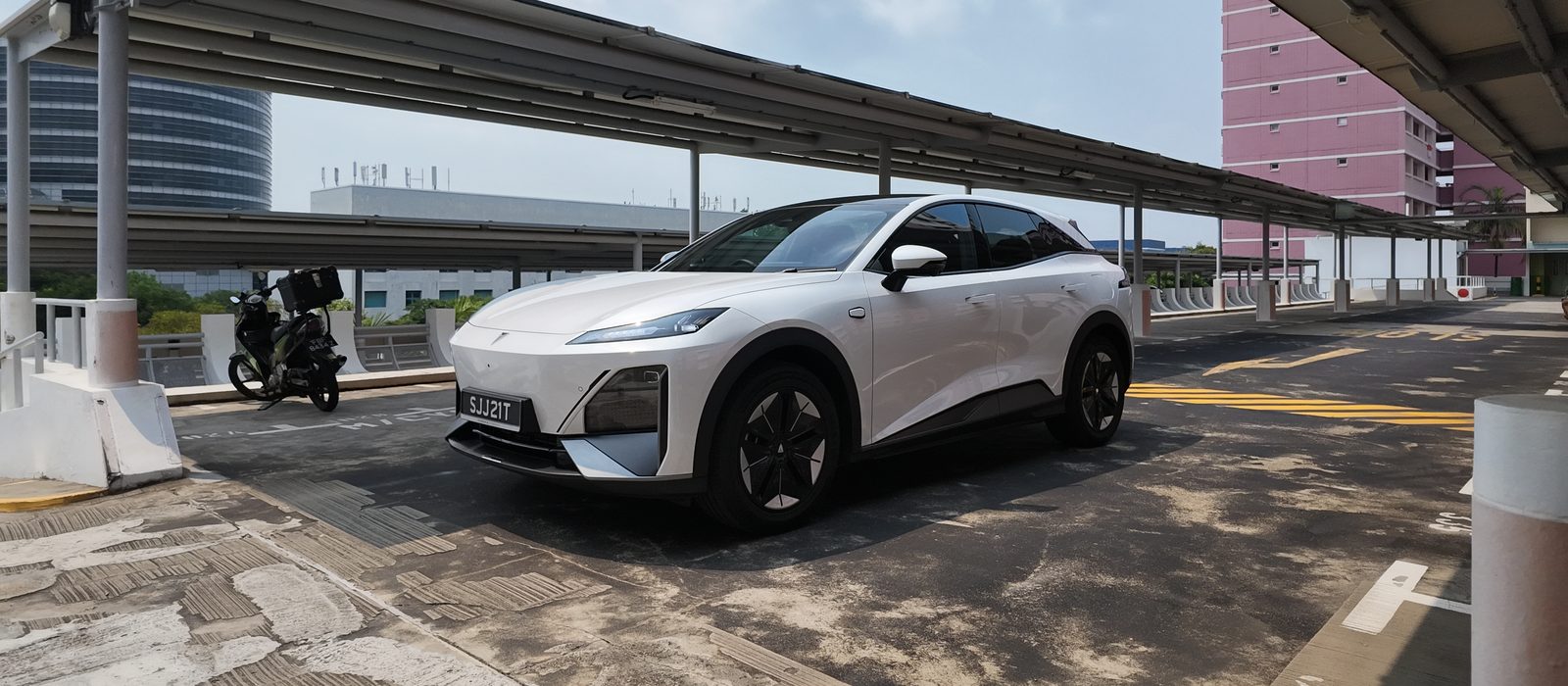
I didn't expect to like this car as much as I did.
That's partly the badge. Deepal is a new name in Singapore, and new names start with no credit in the bank. I went in expecting competent. I got something better than that.
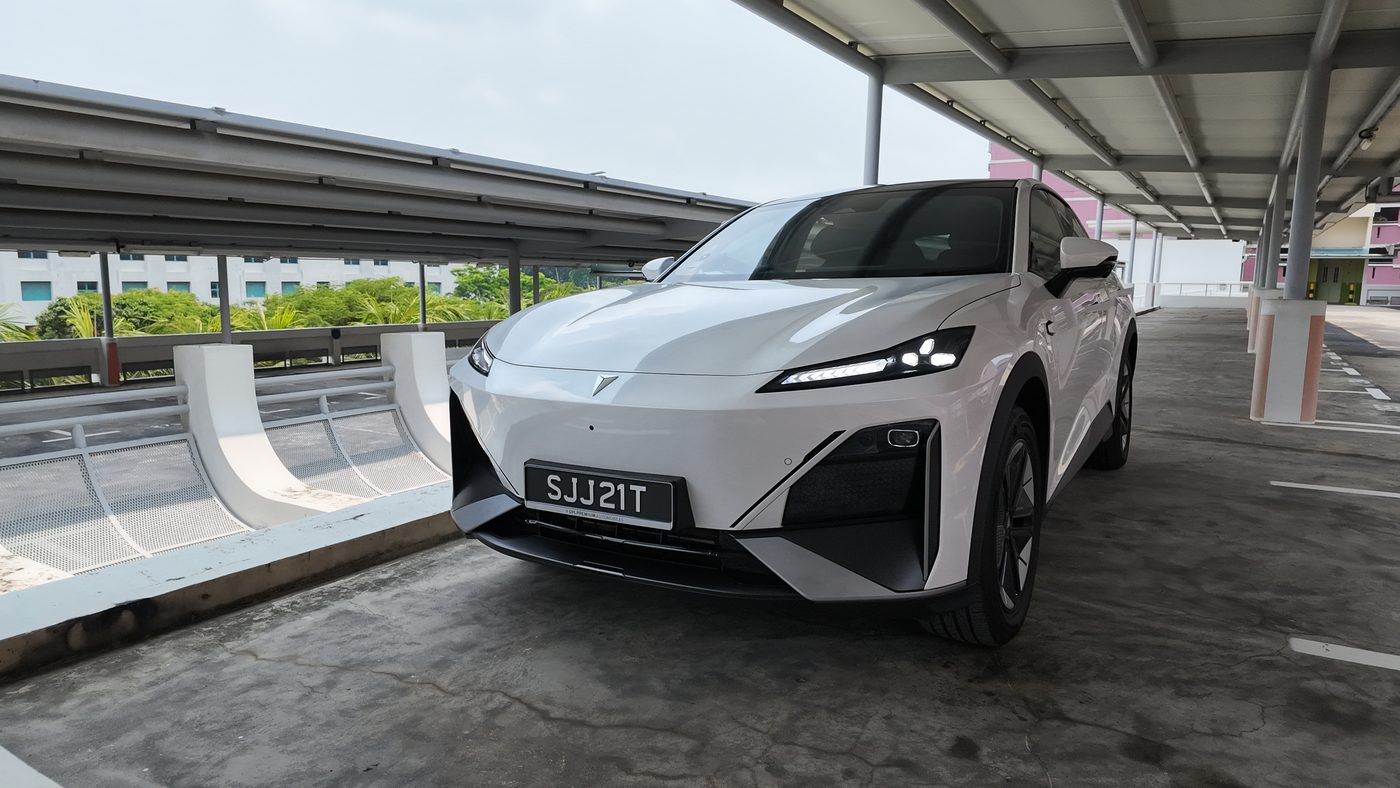
The car here is the Singapore-spec S07: one motor at the back, 160 kW or 218 hp, a 79.97 kWh battery and 475 km claimed on the WLTP cycle. At S$205,999 with COE on the September list, it's a Cat B car sitting in the thick of the mid-size SUV crowd.
Who is Deepal?
First, the name. Everyone reads it as dee-PAL. The brand says dee-pull, as in people without the o. You'll get it wrong at least once.
Deepal is the electric brand of Changan, one of China's big four state-owned carmakers, based in Chongqing. Changan's own story starts in 1862 with an arsenal in Shanghai, set up by the Qing statesman Li Hongzhang to build guns for the court. It moved inland to Chongqing in the 1930s, and only started building vehicles decades later: trucks first, then licence-built Suzukis in the 1980s, then the Ford and Mazda joint ventures. It has been making cars for a long time, most of them under other people's badges.
Deepal is the badge it chose for itself. The Chinese name is Shenlan, which means deep blue, and the S07 was drawn at Changan's design studio in Turin.
In Singapore it's sold by DPL Premium Automobiles, a new arm of Premium Automobiles, the group that has sold Audis here for decades. A new badge is easier to trust when the people servicing it aren't new. The full story, from the 1862 gun bureau to the second floor at Alexandra Road, is in Who is Deepal?
The looks
Let's start where every conversation about this car starts, because people do stop you.
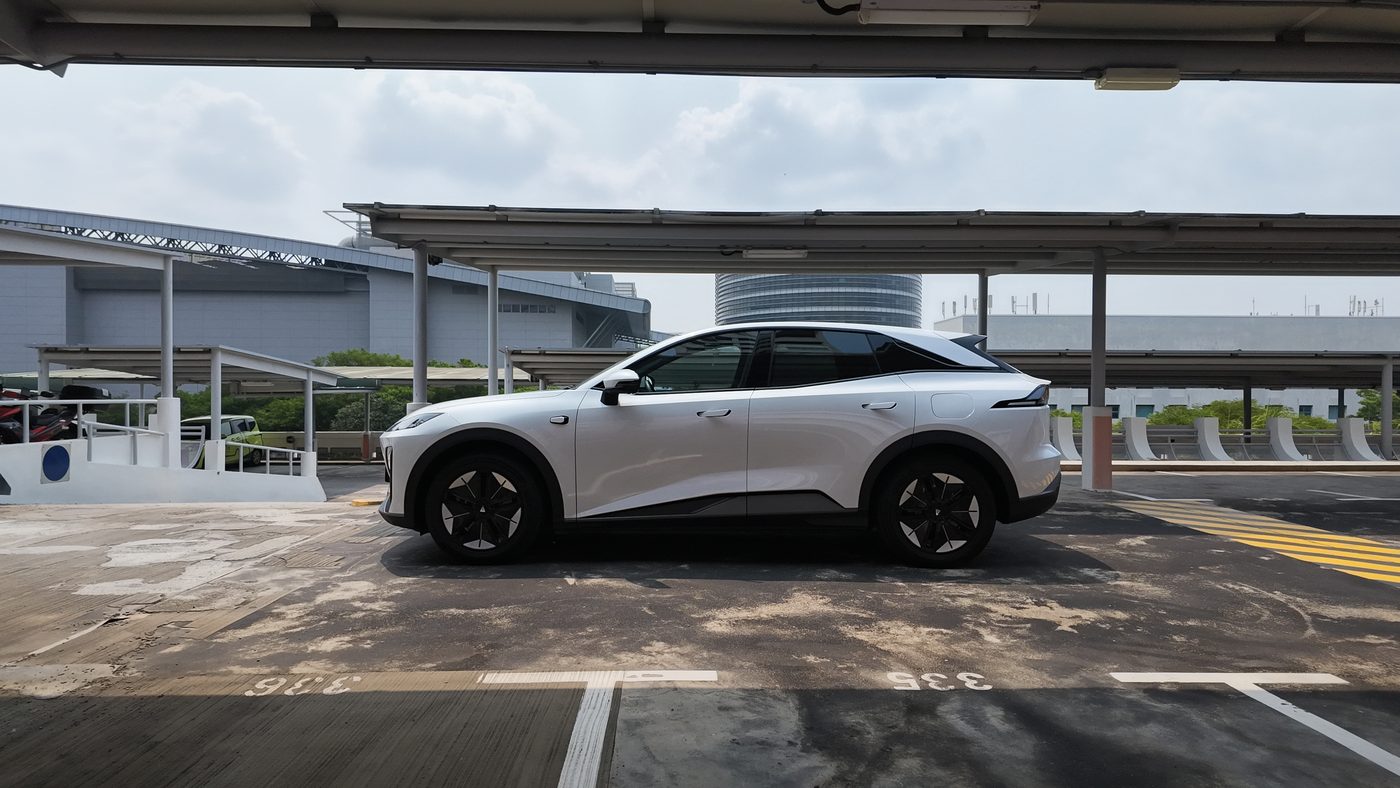
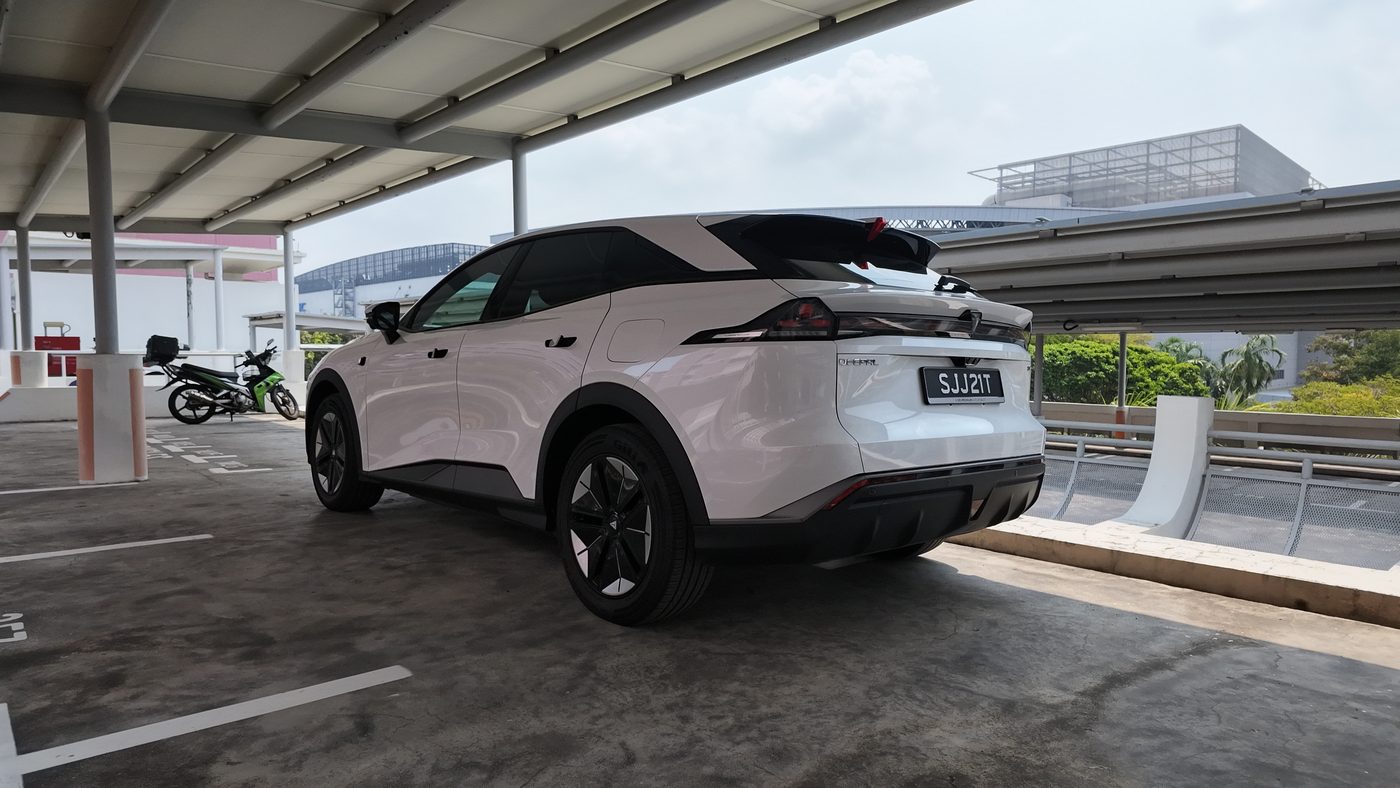
The S07 is a properly good-looking SUV. There's a bit of Lamborghini Urus in the way the shoulders sit over the rear wheels, and there's a lot of Strike Freedom Gundam in the details: the petal-shaped daytime running lights, the hidden door handles, the full-width light bar at the back that lights up like a mobile suit powering on. In the white my test car came in, it looked like something that should be standing in a hangar with a launch catapult behind it.
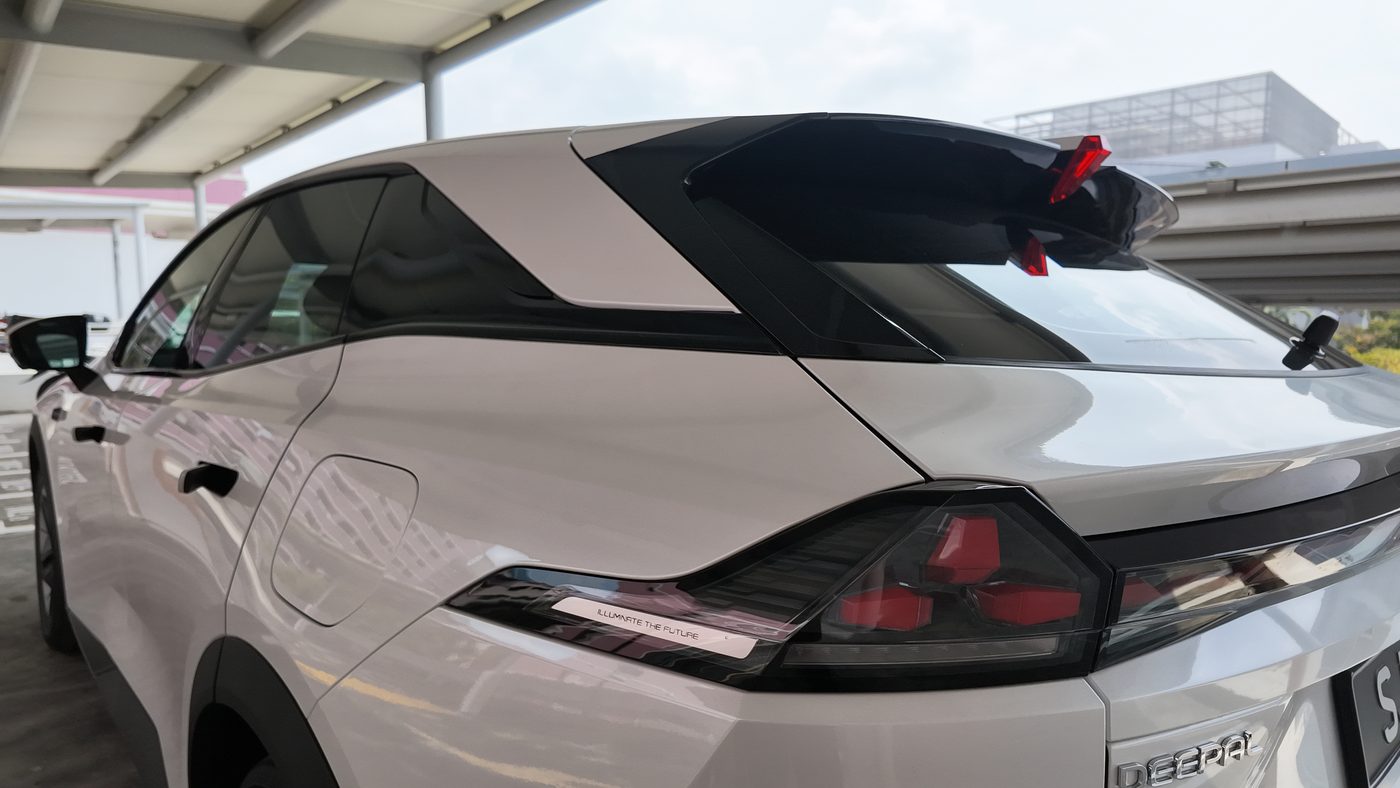
It's a head-turner, and it stays one. Some cars stop being interesting after a week. Every time I saw another S07 on the road I found myself looking twice.
Inside
The cabin is where the S07 makes its case for being more expensive than it is.
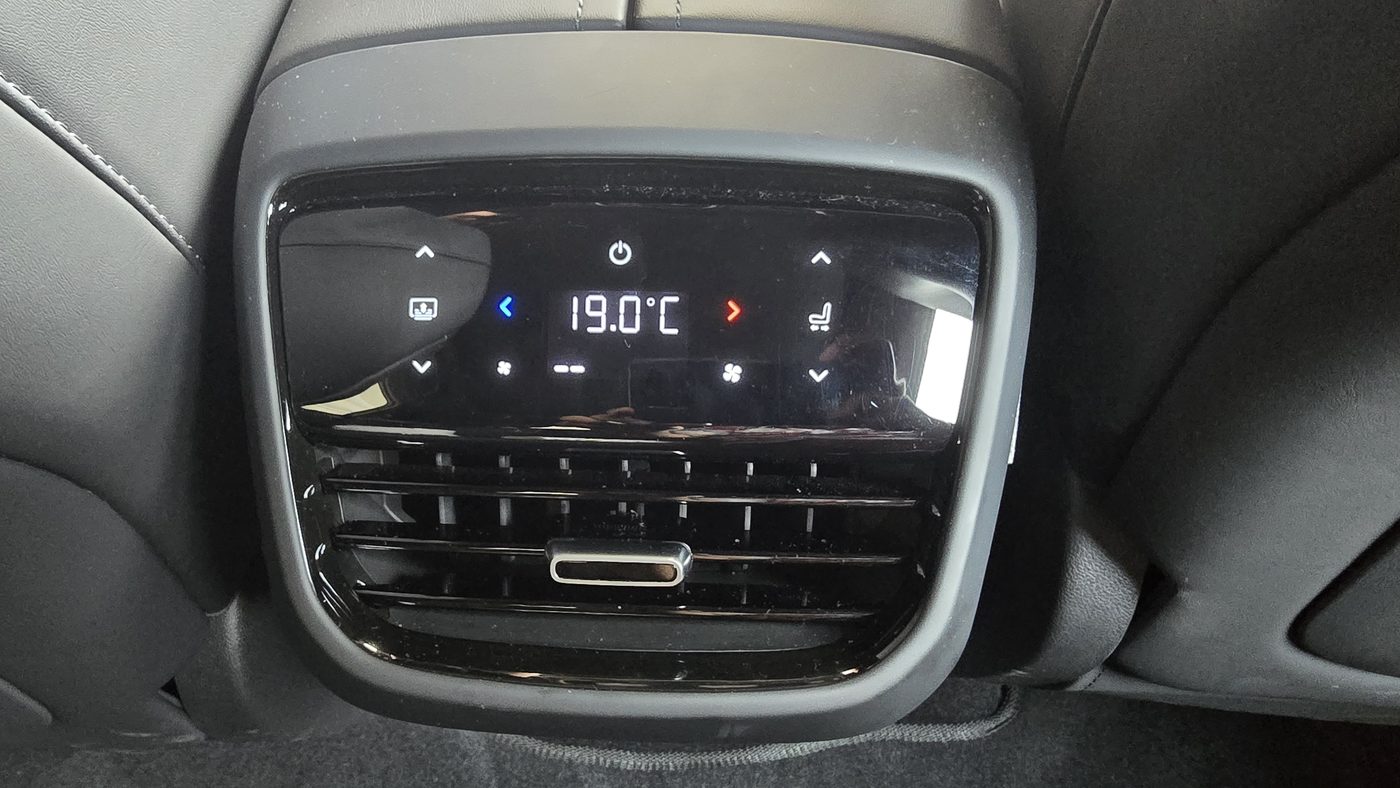
Everything you touch is soft. The seats, the door tops, the armrests, the dash. It feels a step above where the price puts it. The seats themselves are big, supportive and ventilated up front for both driver and passenger, which matters more here than any spec sheet suggests. The aircon is strong.
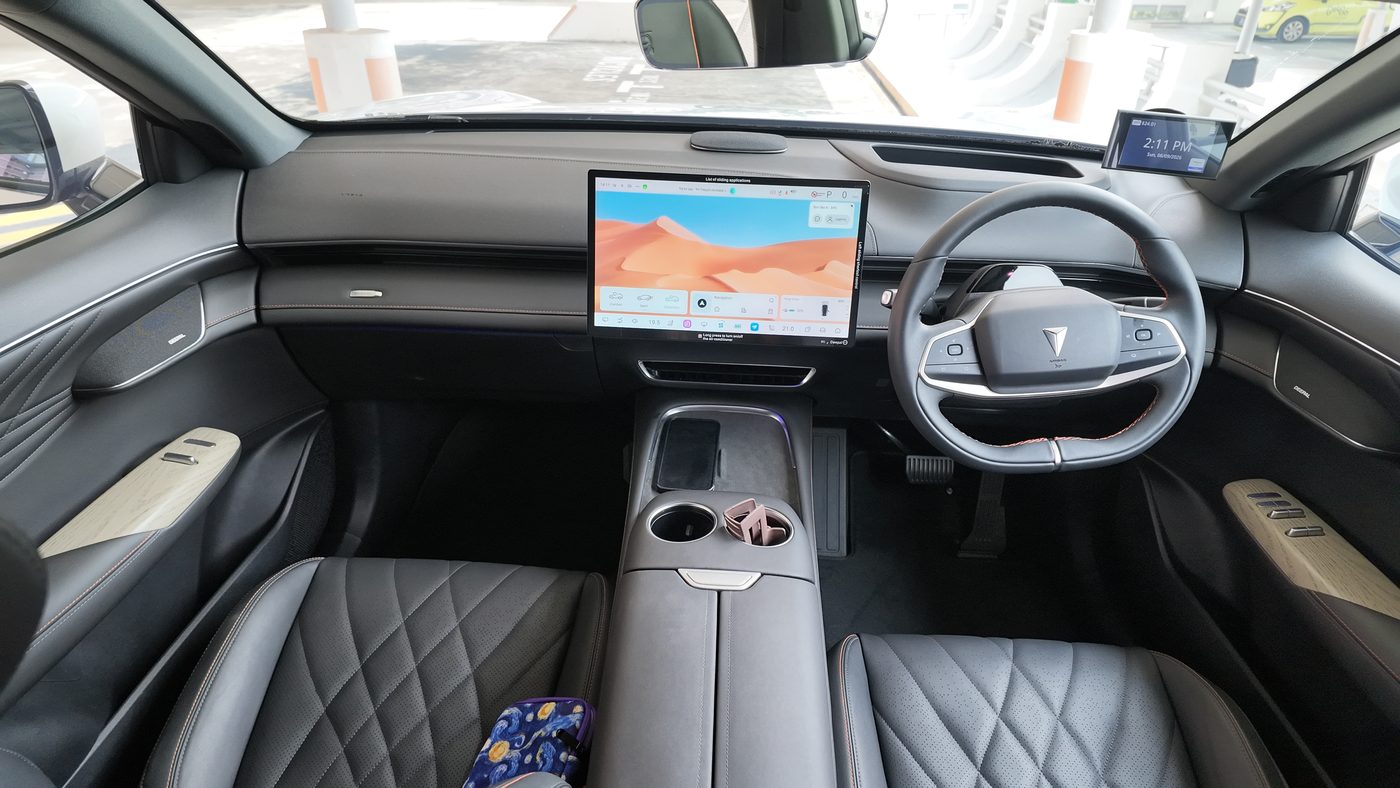
You sit fairly high, with a good view over the road. The glass roof runs most of the length of the cabin and there's an electric sunshade for when the sun does what it does in Singapore. The ambient lighting is funky without being a nightclub, which is a harder balance than most brands manage.
Two gripes. The aircon compressor is loud. Sit in the car parked with the aircon running and you can clearly hear it working away under the bonnet. It's an odd rough edge on a car that is otherwise so well put together, and it stood out precisely because everything else is so quiet.
The second is the same one I have with a lot of screen-first cars: vent direction lives on the touchscreen. You swipe on a menu to move the airflow. A plastic lever would be quicker, cheaper and better. Small thing. Still a thing.
The tech
This is the interesting bit.
There's no driver display. Nothing in front of the wheel. What you get instead is a head-up display that is, frankly, brilliant. It shows your speed, your range, the lane markings and where you are inside them, blind-spot warnings left and right, whether auto hold is on, which drive mode you're in. It's big, bright and easy to read in full daylight. I didn't miss a driver display once. There's also a speedo tucked into the top corner of the main screen, Tesla-style, and I barely looked at it.
The main screen is a 15.6-inch panel that Deepal calls a Sunflower screen. That means it swivels. Sit down on the driver's side and it turns toward you. Get in as a passenger and it turns the other way. In a world where every EV screen is the same slab bolted to the same dash, it's a small, clever bit of character, and it's the kind of thing you end up showing people.
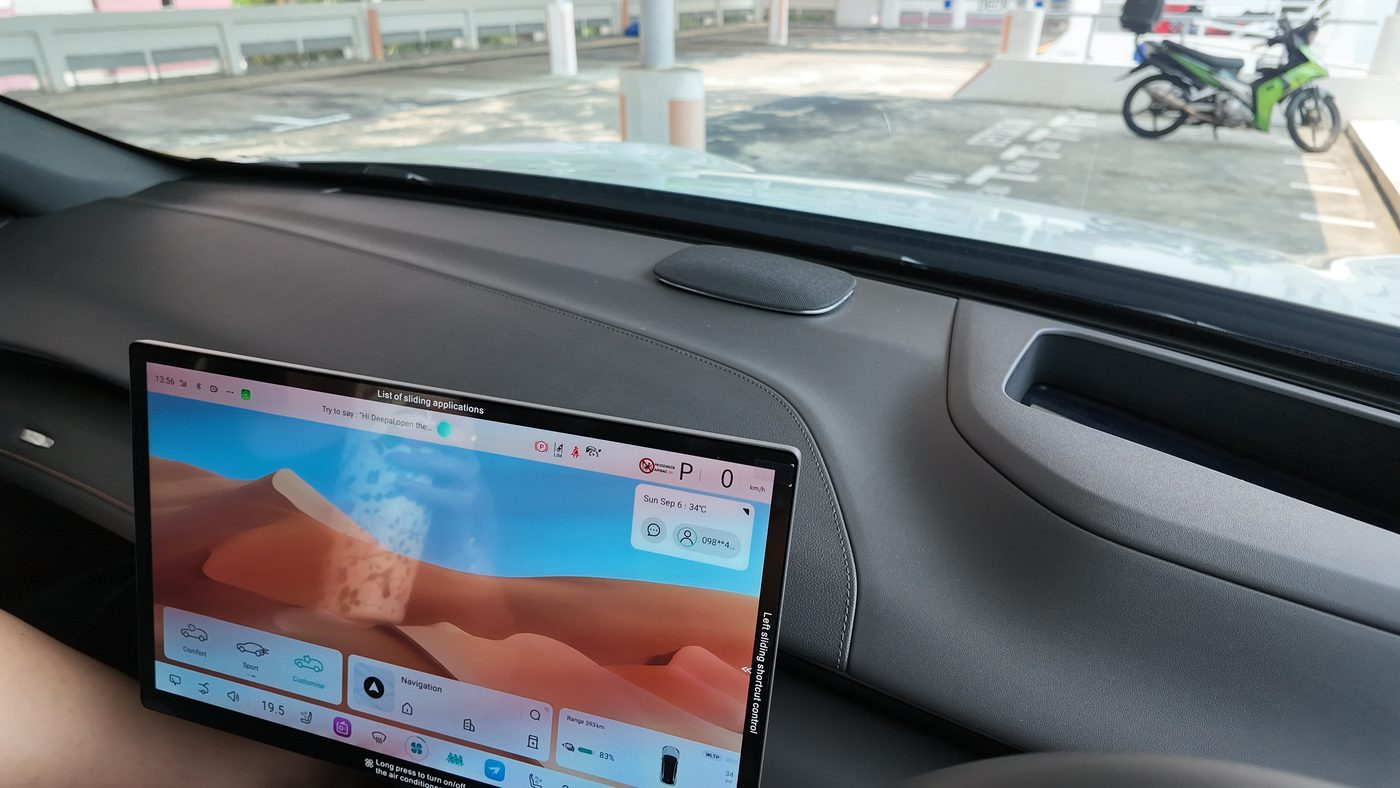
The software is modern and easy to get around. Wireless Apple CarPlay and Android Auto both worked without fuss. The app selection is decent, though it's not on the level of an XPENG or a Tesla. I liked the swipe shortcuts. Built-in navigation is there, so is a dashcam, and so is an in-car selfie camera, which I still haven't found a reason to use.
The voice assistant is fine when it understands you. It didn't always understand me. When it did, it opened the sunroof, wound down a window, changed the temperature. Useful enough that I kept trying it. Not so good that I relied on it.
Then there's gesture control. Finger to your lips and the audio mutes. Peace sign and the in-car camera takes a photo. It's fiddly and it doesn't always fire, but when it works it feels like the future the brochure promised. A toy, mostly. A fun one.
The drive
Soft. That's the word.
The suspension is tuned properly for our roads. Carpark ramps, expressway joints, patched-up back roads, none of it upset the car. It's a comfortable SUV first, and it never pretends otherwise.
What surprised me was the chassis. For a big, soft car it's agile. You can toss it into a roundabout and it stays tidy. It's not a sports SUV and nobody will buy it as one, but there's more there than the looks suggest.
It isn't fast. At 218 hp moving a car this size, it doesn't leap off the line like some of the other rear-drive EVs I've tested. It gets up to speed cleanly and without drama. On a Singapore expressway that's all you need, and the calm suits the character of the car.
The driver aids are good, and the chimes are nowhere near as annoying as I'd braced for. Adaptive cruise is a step behind what XPENG and Tesla do, but it holds a lane and a gap without fuss. The side camera is the standout. Indicate left or right and a small feed opens in the bottom corner of the screen. Some cars take over the whole display when you do this, which is worse than useless. This one gives you the extra view and gets out of the way.
Rearward visibility is poor. The rear window is a letterbox and the raked glass makes it worse. In practice I barely noticed, because the side camera and the blind-spot lights in the HUD do the job the mirror can't. You'll rely on the 360 camera when parking, and it's good enough that you won't mind.
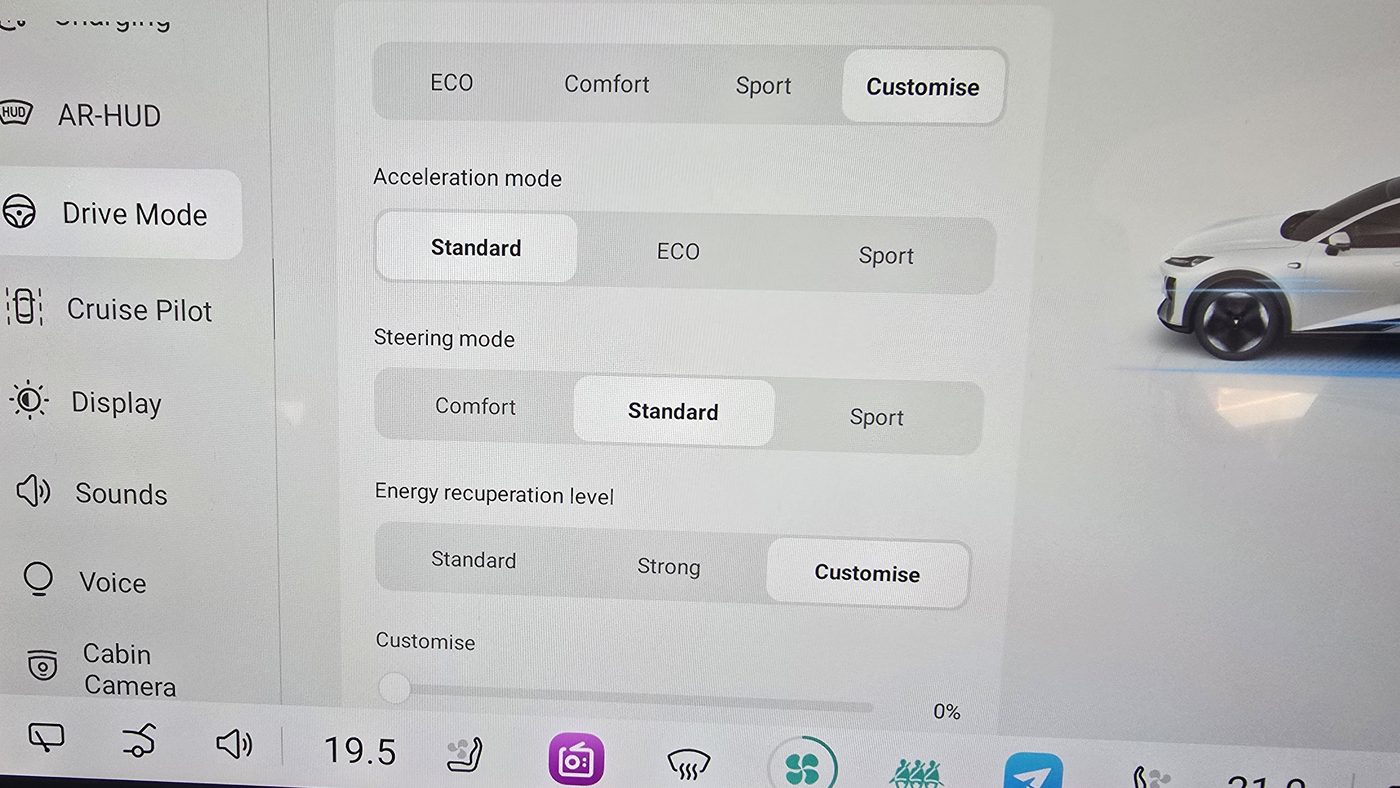
Then there's the drive mode menu, which deserves its own paragraph. Most cars give you Eco, Comfort and Sport. The S07 gives you those plus Custom, and Custom goes deep. Steering weight, throttle response, and regen, and the regen isn't a choice between two settings. You set it by percentage. I built my own profile in about five minutes, and from then on the car drove the way I wanted it to. More EVs should do this.
The head-up display does the job of a driver display, a lane camera and a range readout at once. I stopped noticing there wasn't a screen behind the wheel.
Living with it in Singapore
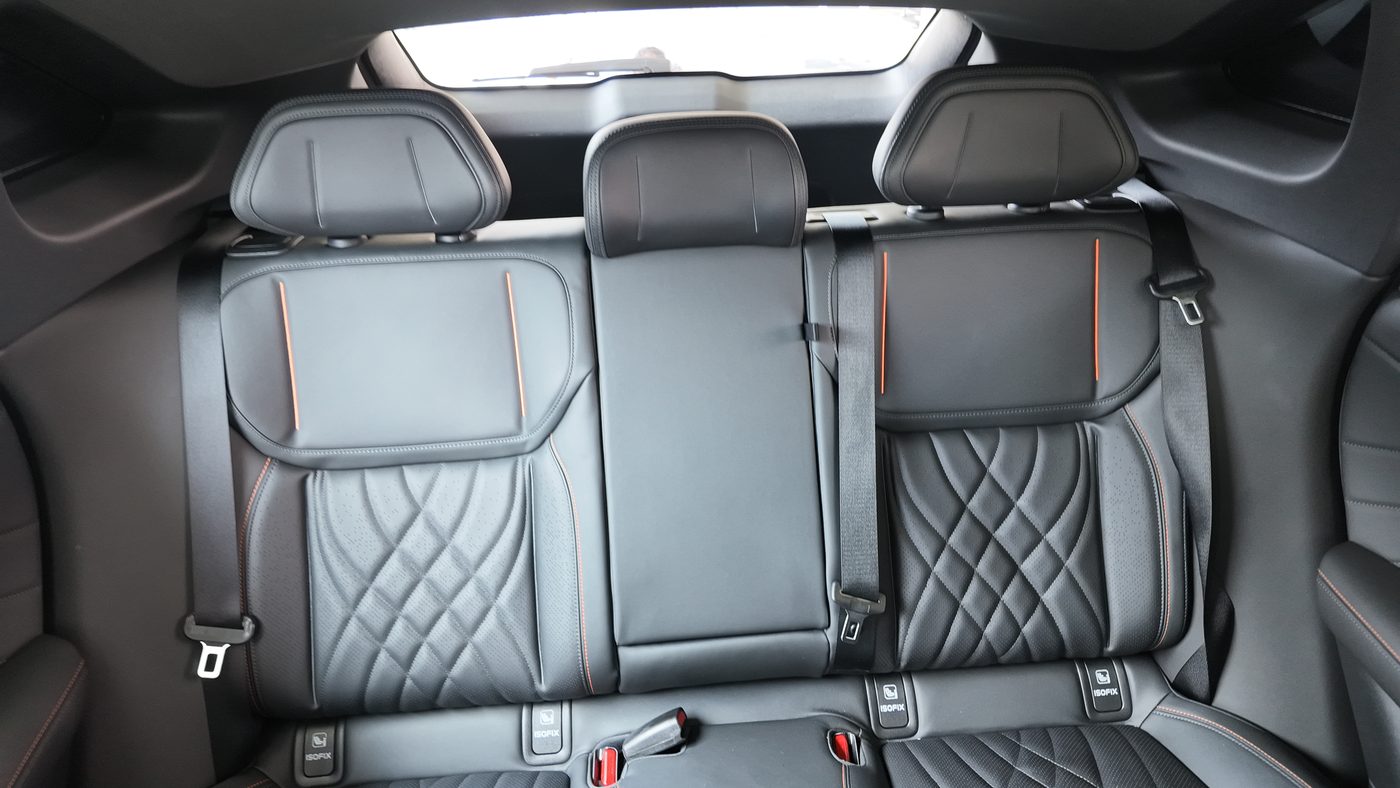
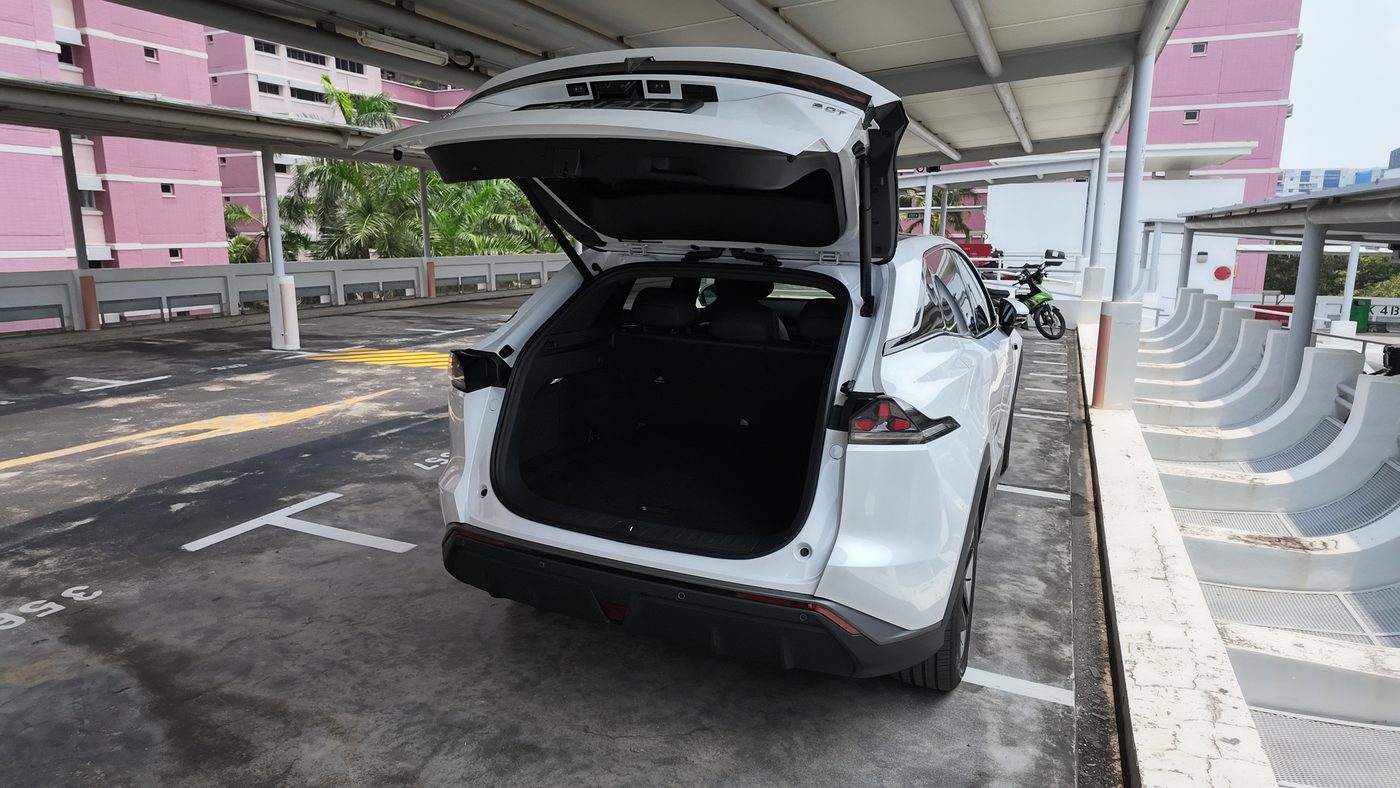
Space is a strength. The back seat is properly roomy, and two adults will sit there without negotiating. The boot is decent for the size. There are bigger, but you won't be writing to anyone about it.
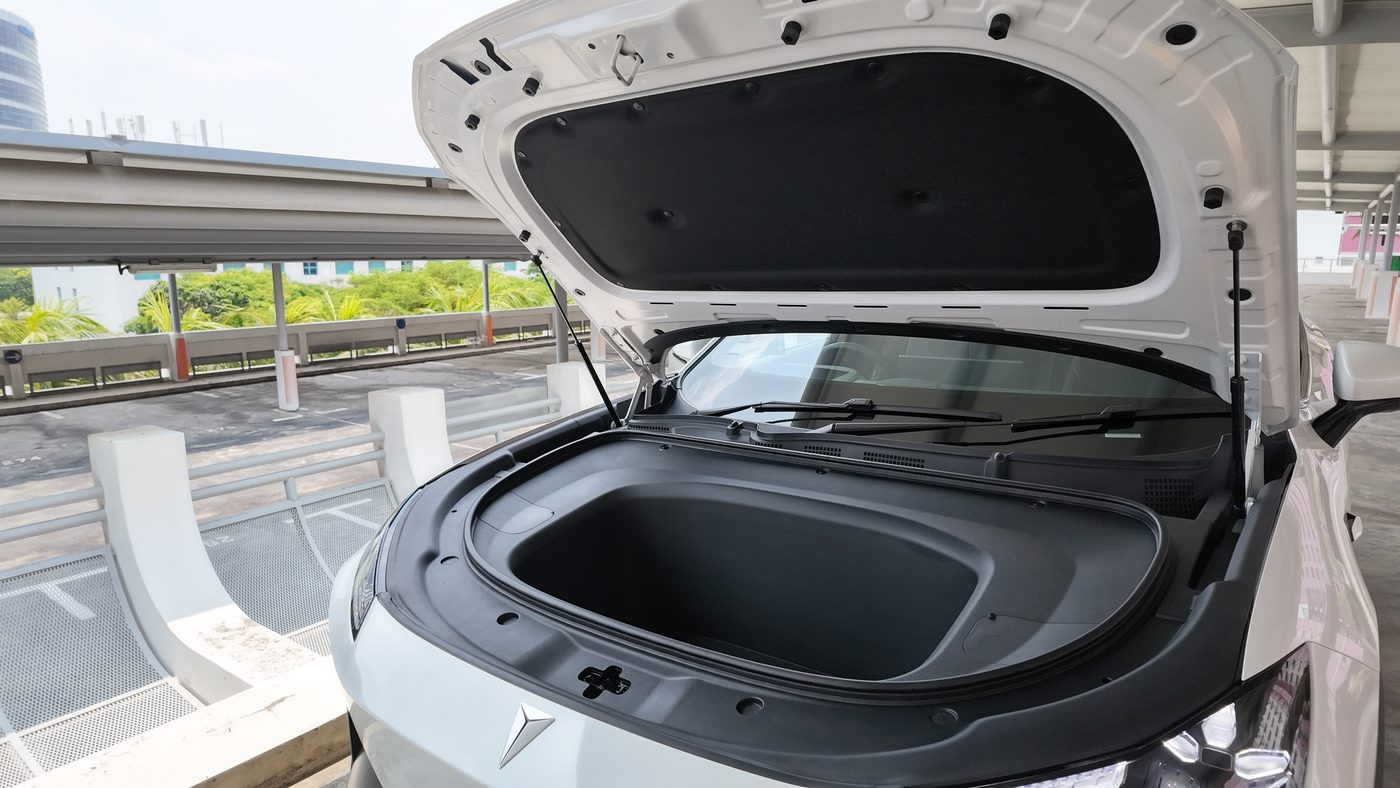
The frunk is the surprise. At 125 litres it is among the biggest I have seen on any EV here, and it swallows the charging cables with room to spare for a gym bag.
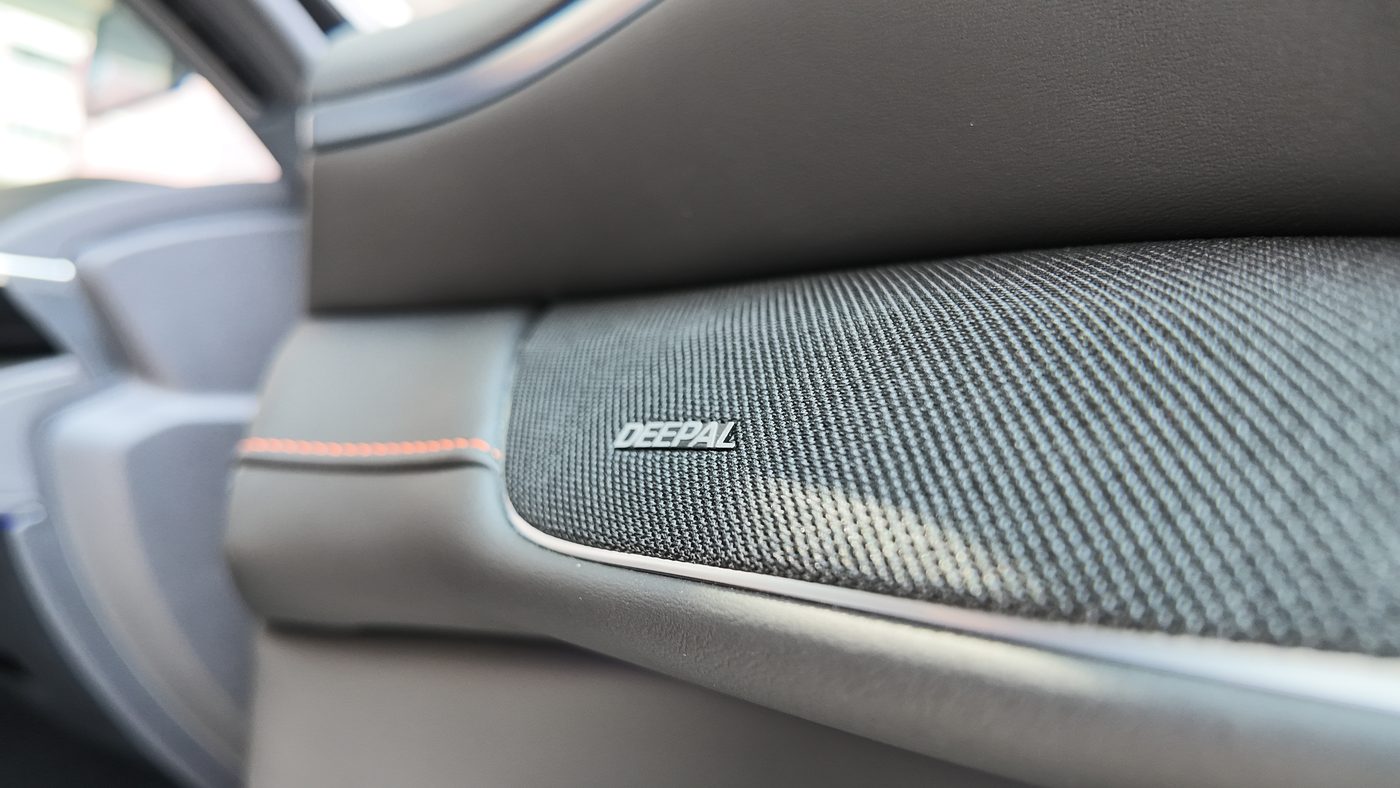
The 14 speakers, one of them in the driver's headrest, are better than they need to be. Bass-heavy electronic music in particular sounds far better than I expected from a car at this price. Not audiophile territory. Well past good enough.
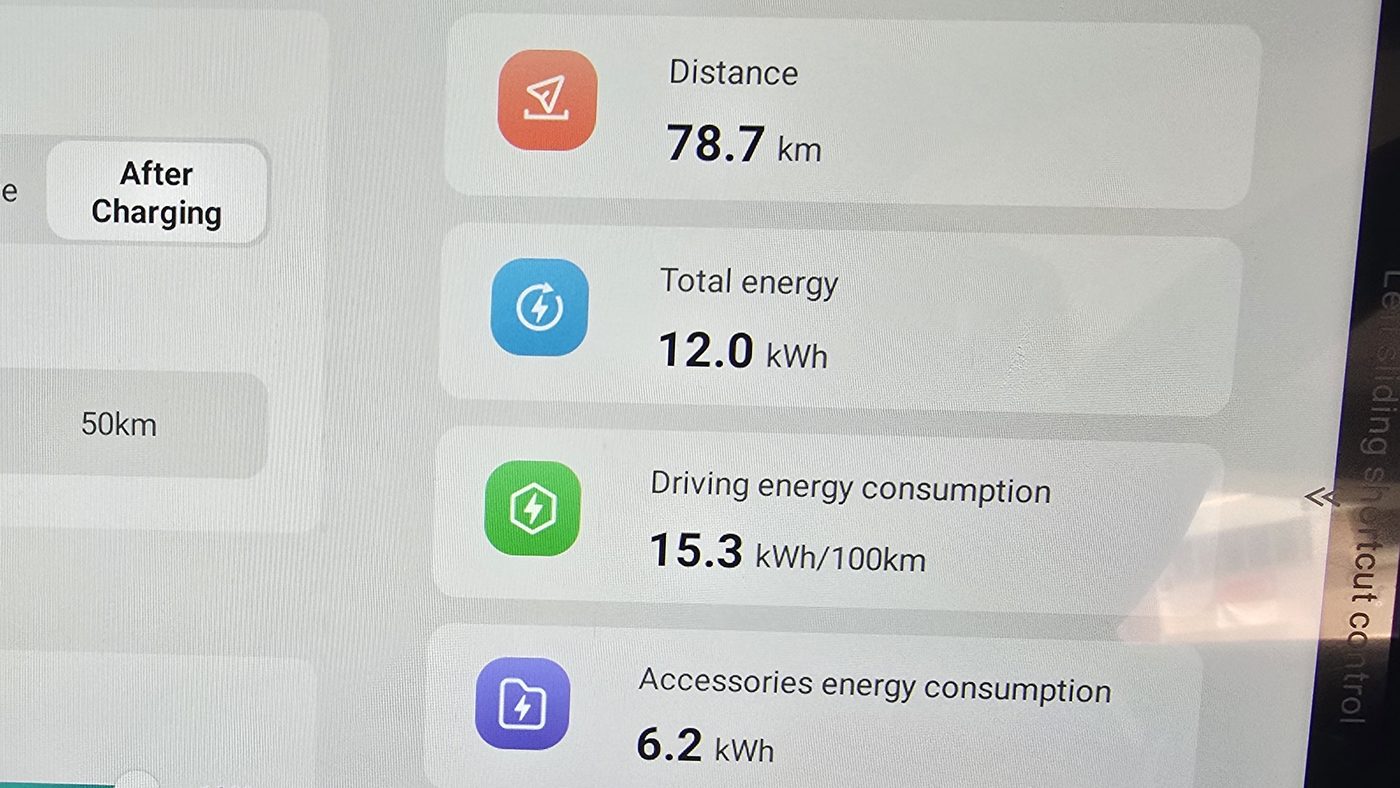
On range, the official figures are 475 km WLTP from the 80 kWh battery and 19.0 kWh/100 km. On test the car's own readout showed 15.3 kWh/100 km over 78.7 km since its last charge. That's the car's number rather than a controlled test, but it's well under the official figure, and it matches how the car felt: I wasn't planning my week around a charger.
DC charging from 30 to 80 per cent is a claimed 35 minutes. The port sits on the rear wing.
Now the miss. There is no auto parking. It has become standard on EVs at this price and below, and the S07 has the cameras and sensors to do it. You'll be parking it yourself, with a very good 360 camera to help.
The verdict
This is a car with no drama in it.
It looks great, it's comfortable, it has enough pace, it's packed with kit, and it's easy. The tech is properly good, the HUD especially. The things it gets wrong are small and mostly about buttons that became menus.
The badge is the real question. Deepal is new here and people will ask what it is. If you can live with that, and with parking it yourself, the S07 is a very good family EV and a better road-trip car than most of what it competes with.
It surprised me. I'd expected a competent car from a new brand. I got one I kept wanting to drive.