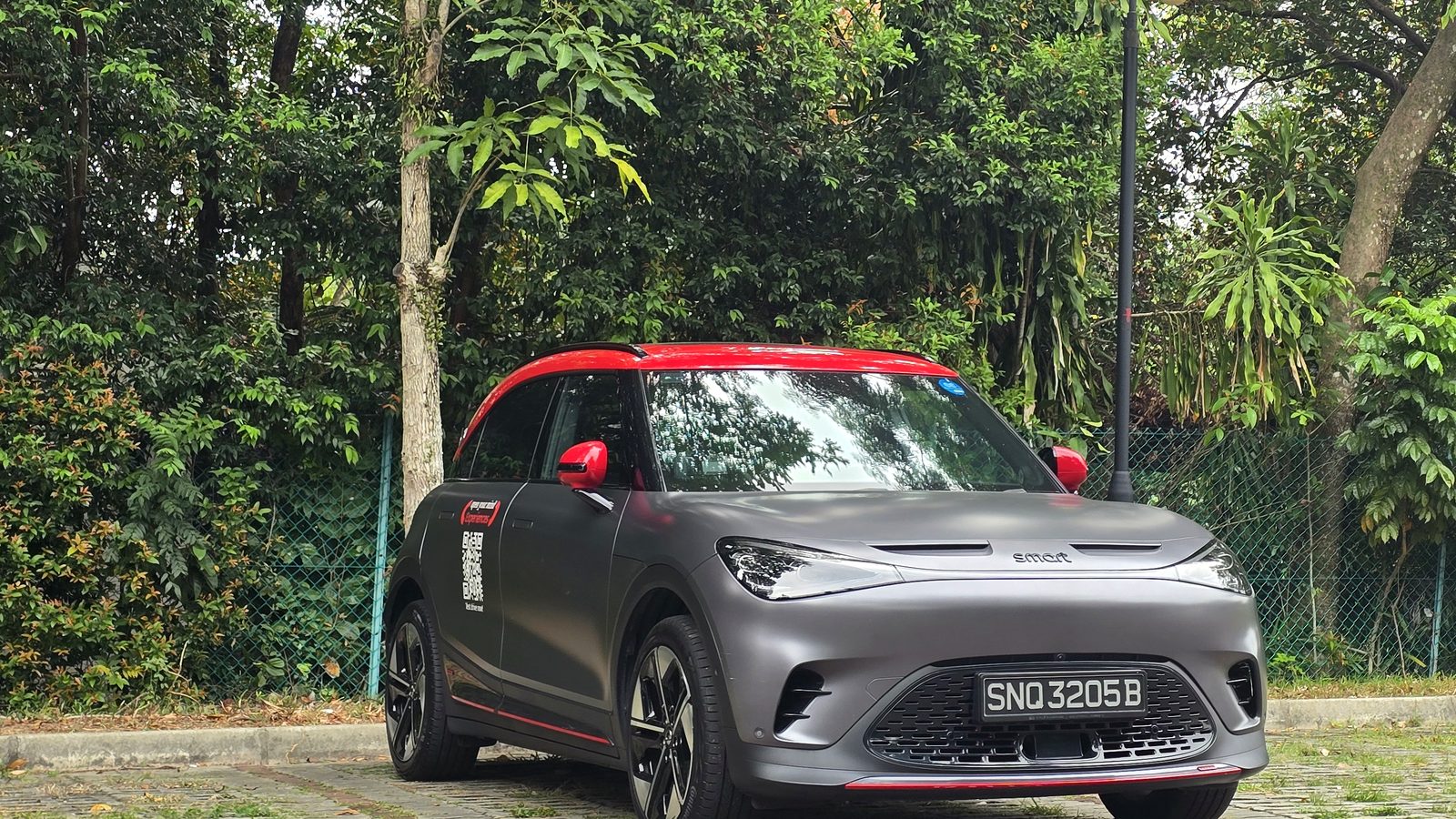
Near the end of Monty Python and the Holy Grail, the knights arrive at a cave guarded by a rabbit. A small, white, fluffy rabbit. Tim the Enchanter warns them it is the most foul, cruel and bad-tempered rodent they will ever meet. They laugh. They send in a knight. The rabbit takes his head off.
It takes the Holy Hand Grenade of Antioch to sort it out.
The smart #1 Brabus is the rabbit.
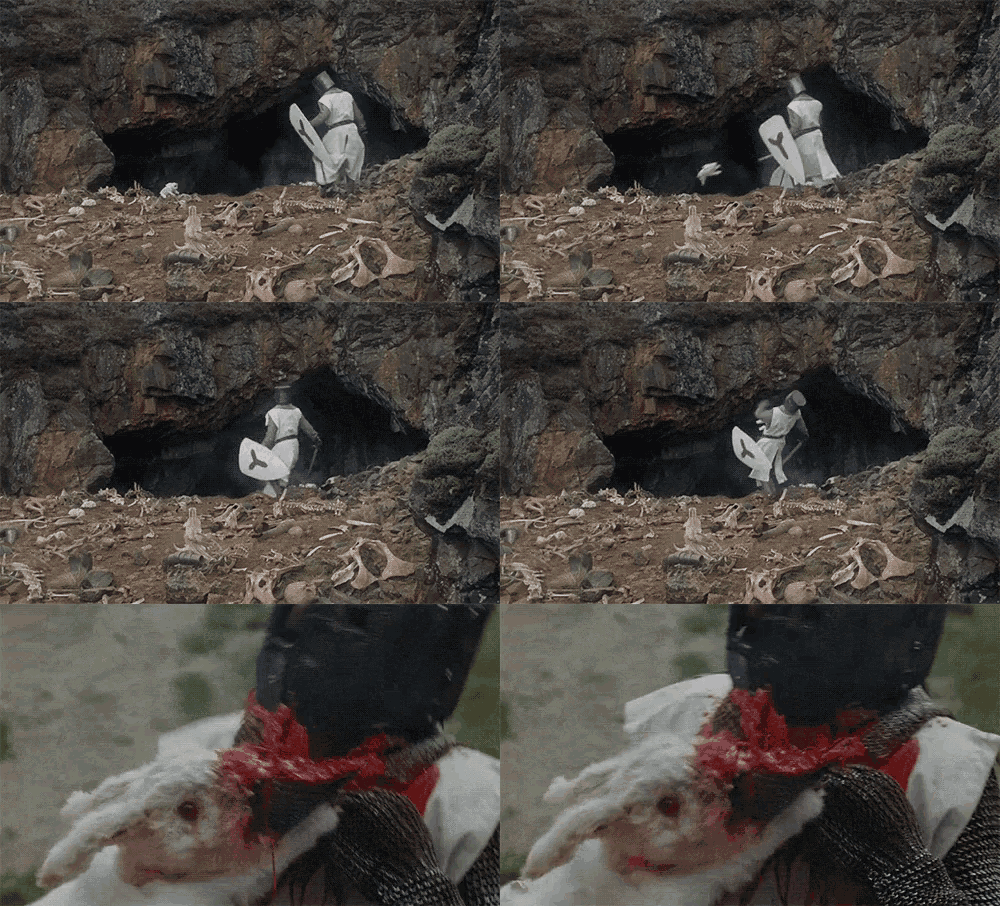
It looks harmless. Round headlights and cute proportions, with a badge most people still associate with a two-seat city car. Then you press the drive mode button, pick the one that says Brabus, and the car starts actively trying to kill you. No mercy. It wants you dead. And what a ride.
I am not exaggerating much. The #1 Brabus is the kind of fast that catches you out on a roundabout you have driven a hundred times. Two motors, 315 kW, 584 Nm, 0 to 100 in 3.9 seconds. On paper that is supercar territory from ten years ago. In practice it is a tiny SUV that launches like it has been fired from something.
Brabus, for anyone who missed the last 50 years of German tuning, is the Bottrop firm that has been making Mercedes faster and louder since 1977. It built the hot fortwos and roadsters for the old smart, and on the new one it is the top trim: more power, more red, and a drive mode with its name on it.
This is part one of two. The standard #1 came through right after this car and has its own review, and the two go head to head in Core or Brabus?
The drive
This is the bit that earns the score.
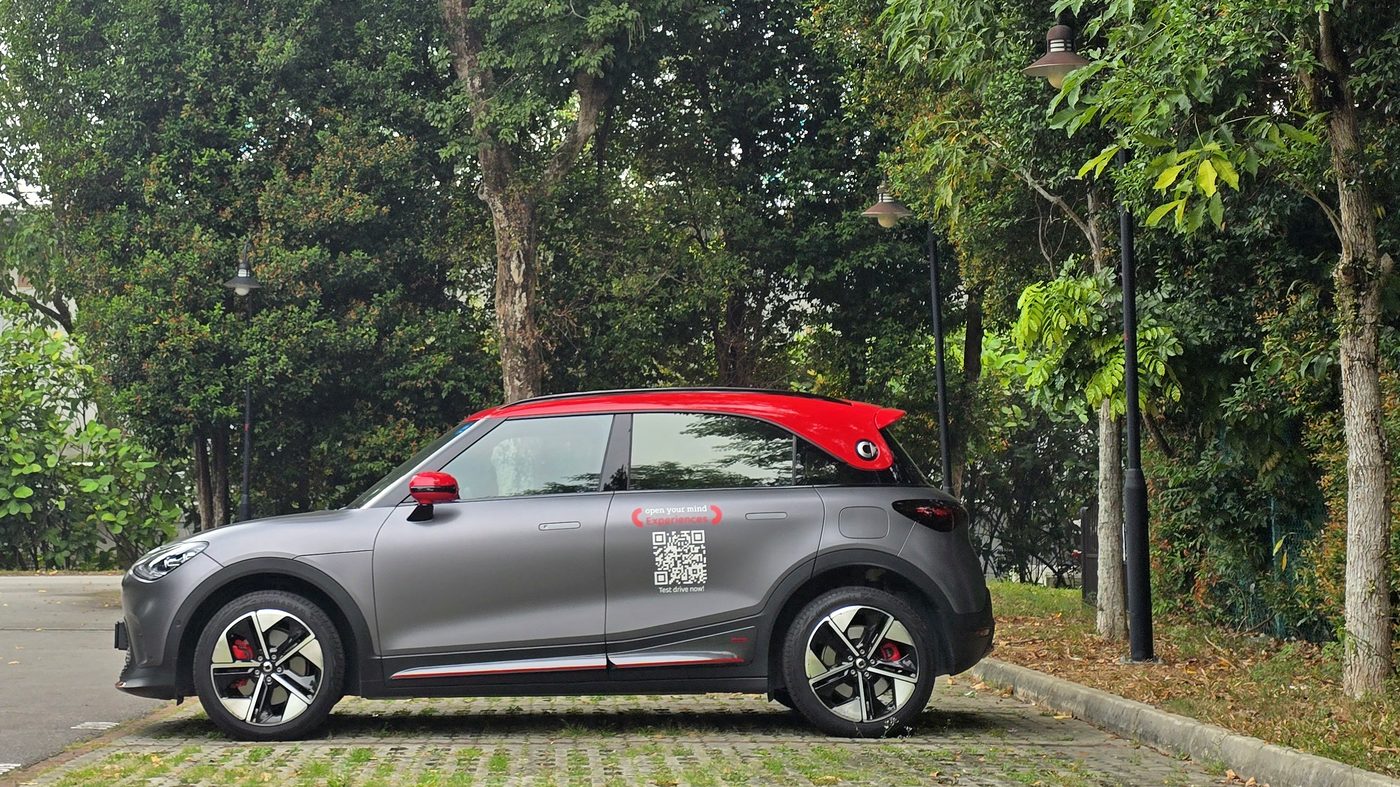
The steering is weighted properly. Not heavy for the sake of it, just enough resistance that you know where the front wheels are. The suspension is taut without being punishing. Turn in and the car follows, stays flat, and lets you get on the power early because there is a motor at each end sorting out the exit.
It is agile in a way that bigger, heavier EVs cannot be. Most of the cars that cross this desk are quick in a straight line and then go a bit vague the moment the road bends. The Brabus is quick everywhere.
Press Brabus and the throttle goes from brisk to violent. The front motor wakes up properly, the steering firms up, and a cute little SUV starts actively trying to kill you.
Brabus mode also pipes a made-up engine note through the speakers. I expected to hate it. It is stupid fun and I left it on all week.
The only car I have driven recently that gets close to this feeling is the MINI Aceman JCW, and that is a smaller, lighter thing with less power. Everything else in the compact EV class feels sedated next to this.
After a run of sensible, soft, perfectly reasonable EVs, the Brabus is a reminder of what a purpose-built mad machine feels like. It did try to kill me a few times. I welcomed every attempt.

One thing I would change: the regen braking. There are three levels and the handover between them is a bit iffy. Sometimes you lift and the car slows harder than you expect, sometimes less. It is not dangerous, just inconsistent, and in a car this quick you want the braking to be the predictable part. Your mileage may vary.
Red everywhere
Everything about this car screams fast, and it mostly does it in red.
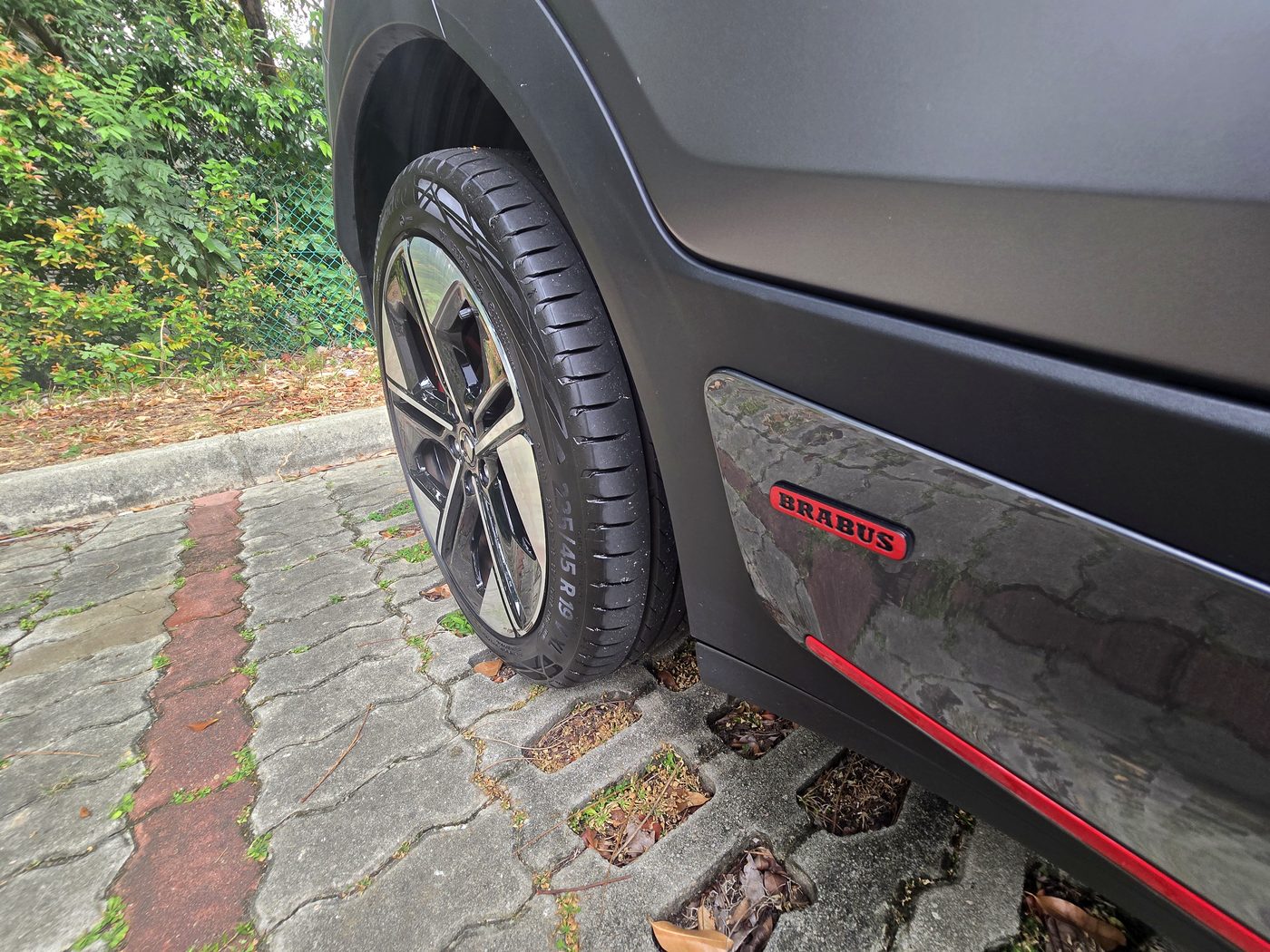
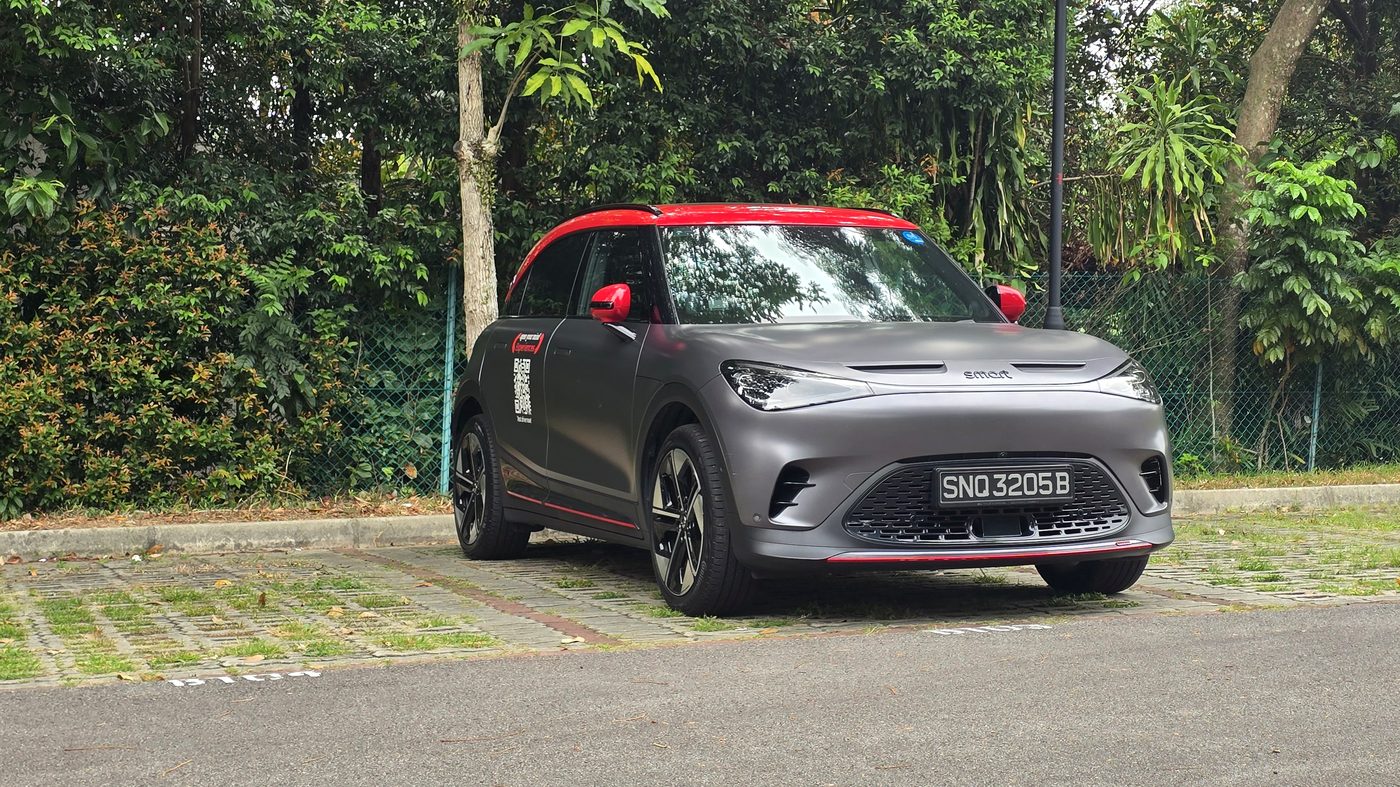
The roof is red. The mirrors are red. The seat belts are red. There is a red line along the sills and the bumpers, the brake calipers are red, and the Brabus badge sits on roughly every surface that can hold a badge. Subtle it is not. I think it works.
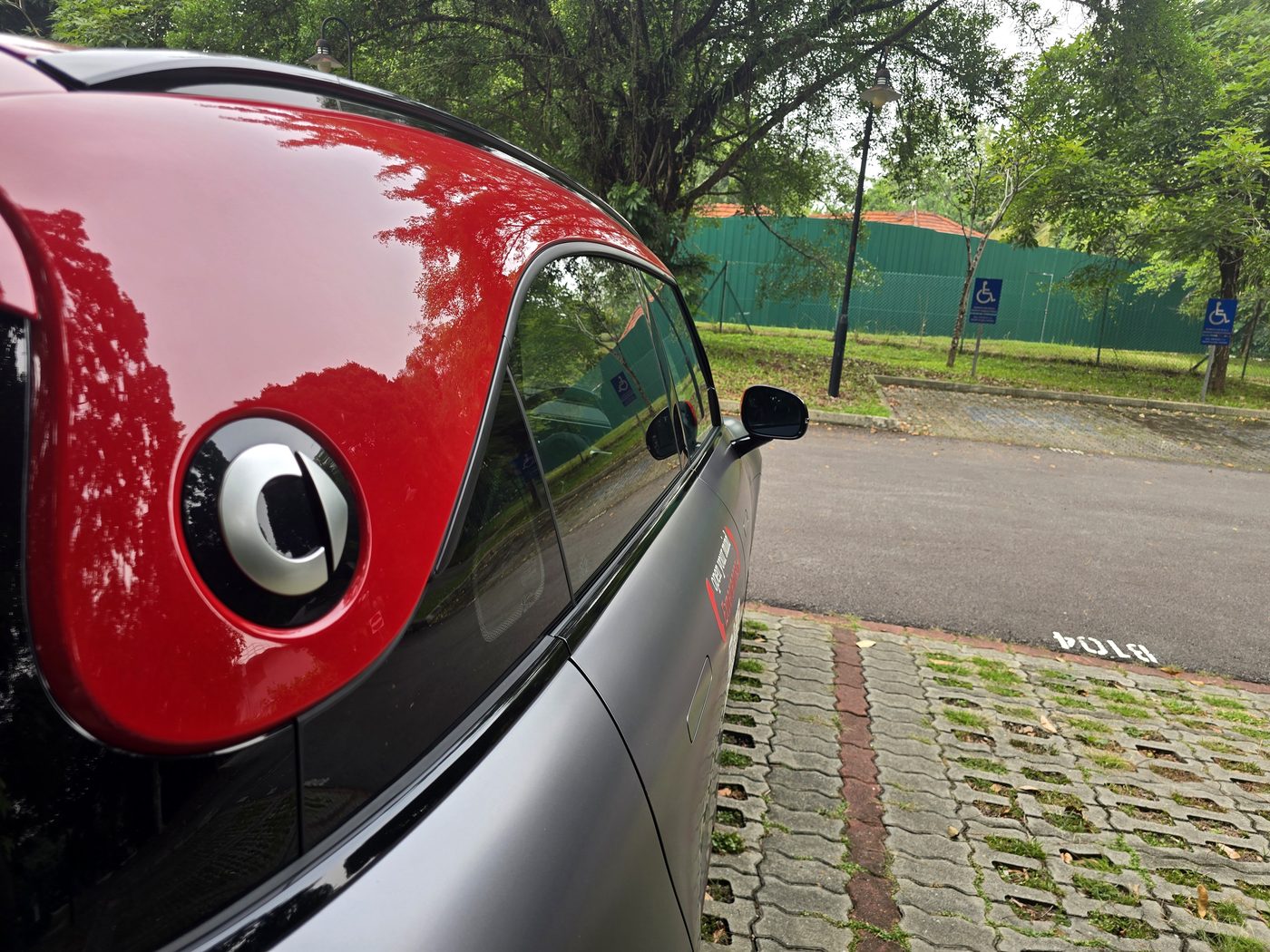
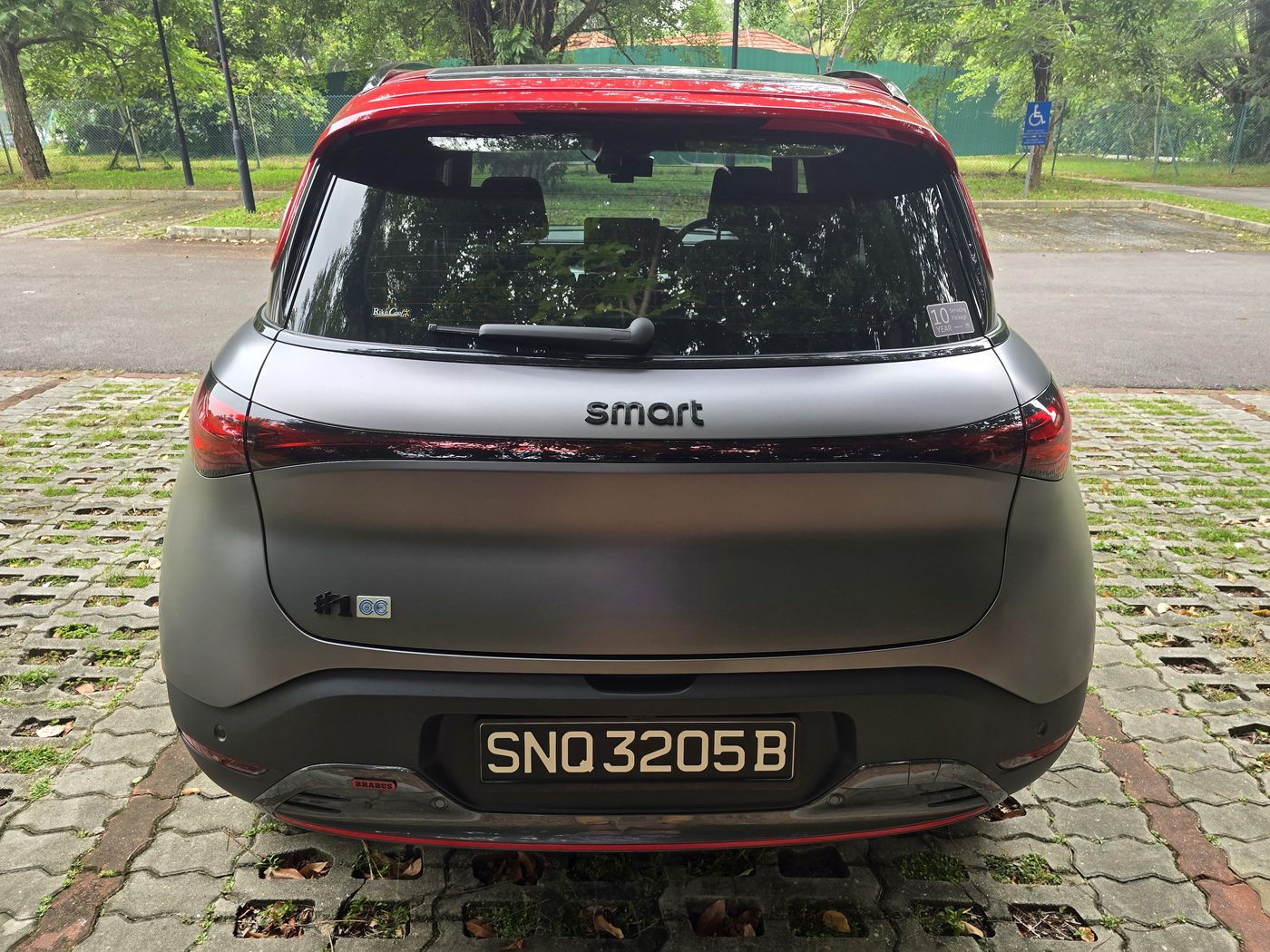
The looks in general are polarising. Low nose, high tail, big haunches and a cabin that looks a size bigger than the footprint underneath it. Some people love it, some people really do not. I am in the first camp. It looks like nothing else in the carpark, while most new EVs are converging on the same smooth egg.
Is it even an SUV? It sits a bit high and has a hatch. Call it what you like.
The cabin
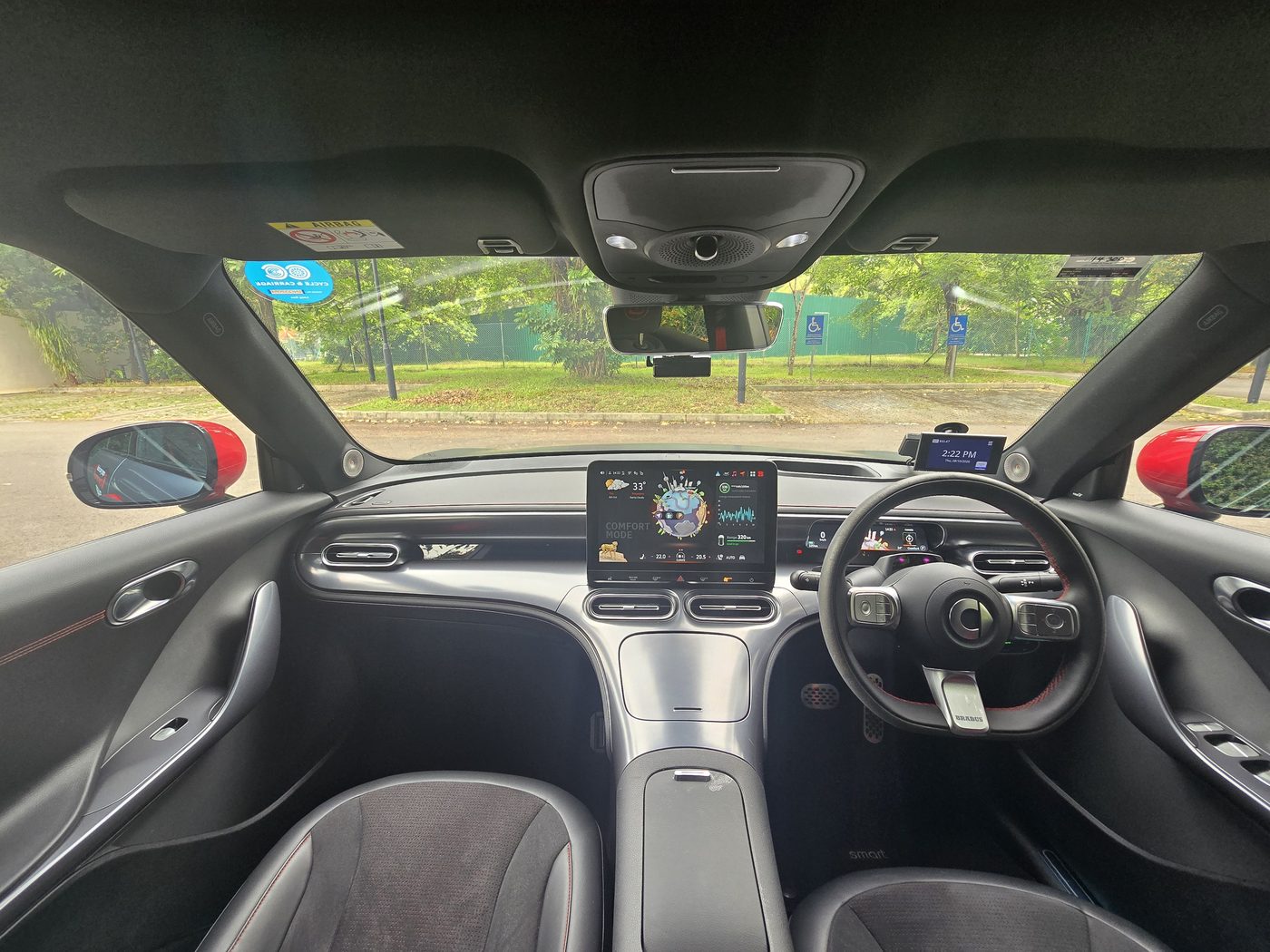
This is a very different cabin from the smart #5 we had a few weeks earlier. The #5 is big, boxy and built for families. The #1 is tighter, rounder and more playful, with circles and ovals in the vents, the speaker grilles and the switchgear.
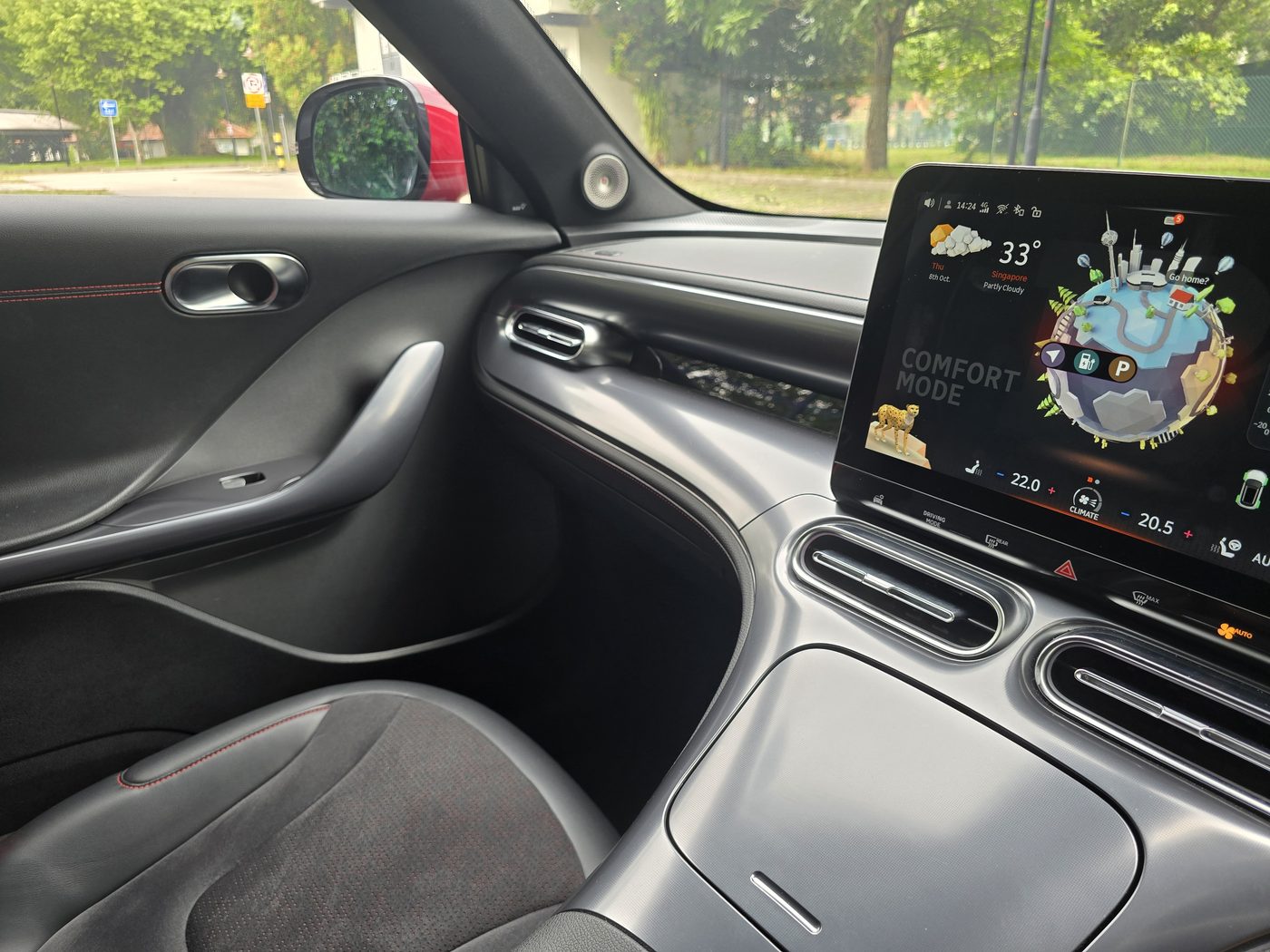
The Mercedes design touches are everywhere, and that is a compliment. The big centre screen floats above a clean dashboard, the fittings feel designed rather than merely assembled, and the overall build is solid. Nothing creaks.
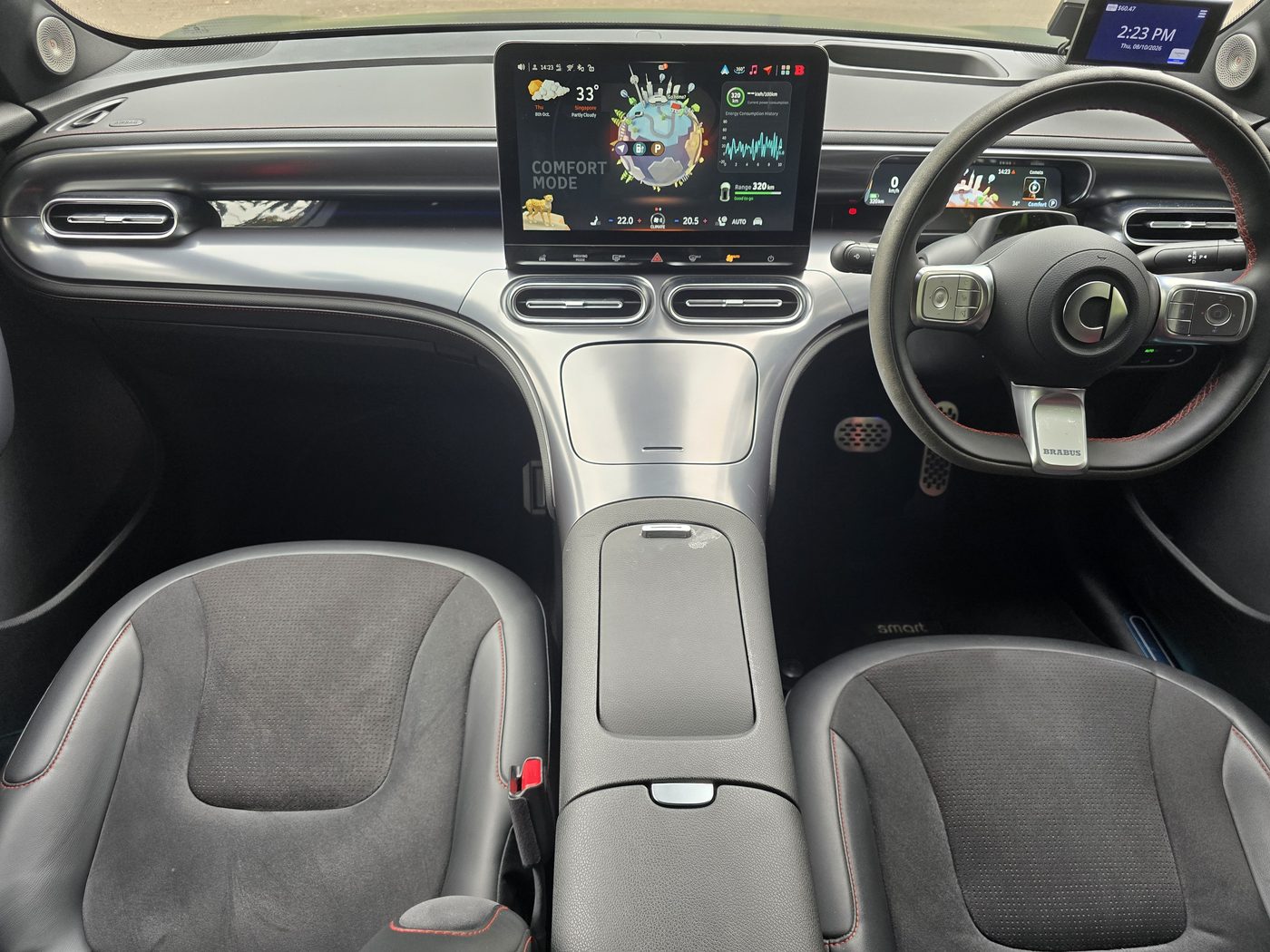
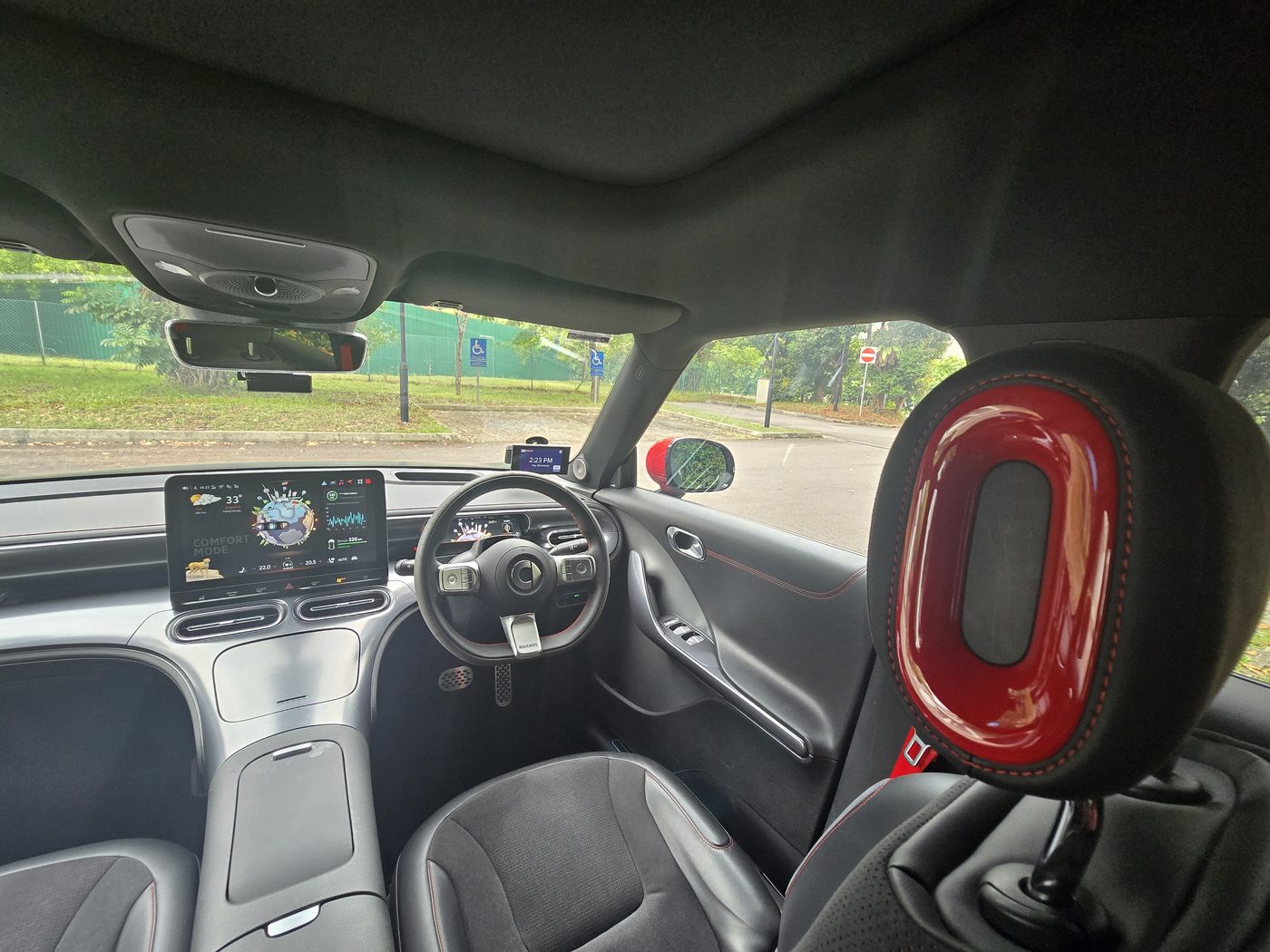
The seats are the Brabus kind: supportive, comfortable over a long sit, and ventilated, which in Singapore is worth more than any amount of carbon trim. The microfibre suede is good. The steering wheel is big and chunky to hold, and it has proper physical buttons, which I was grateful for.
For some odd reason I really like the switch that opens the sunshade. A small, satisfying thing.
Now the gripes. There is more hard plastic than there should be at this price, mostly lower down on the doors and around the centre console. The console itself is big and bulky, which some people will like for the armrest and the covered bin, and others will find it eats cabin space. Overall storage is modest. There is a wireless charger, a couple of trays, and not much else.
Tech and screens
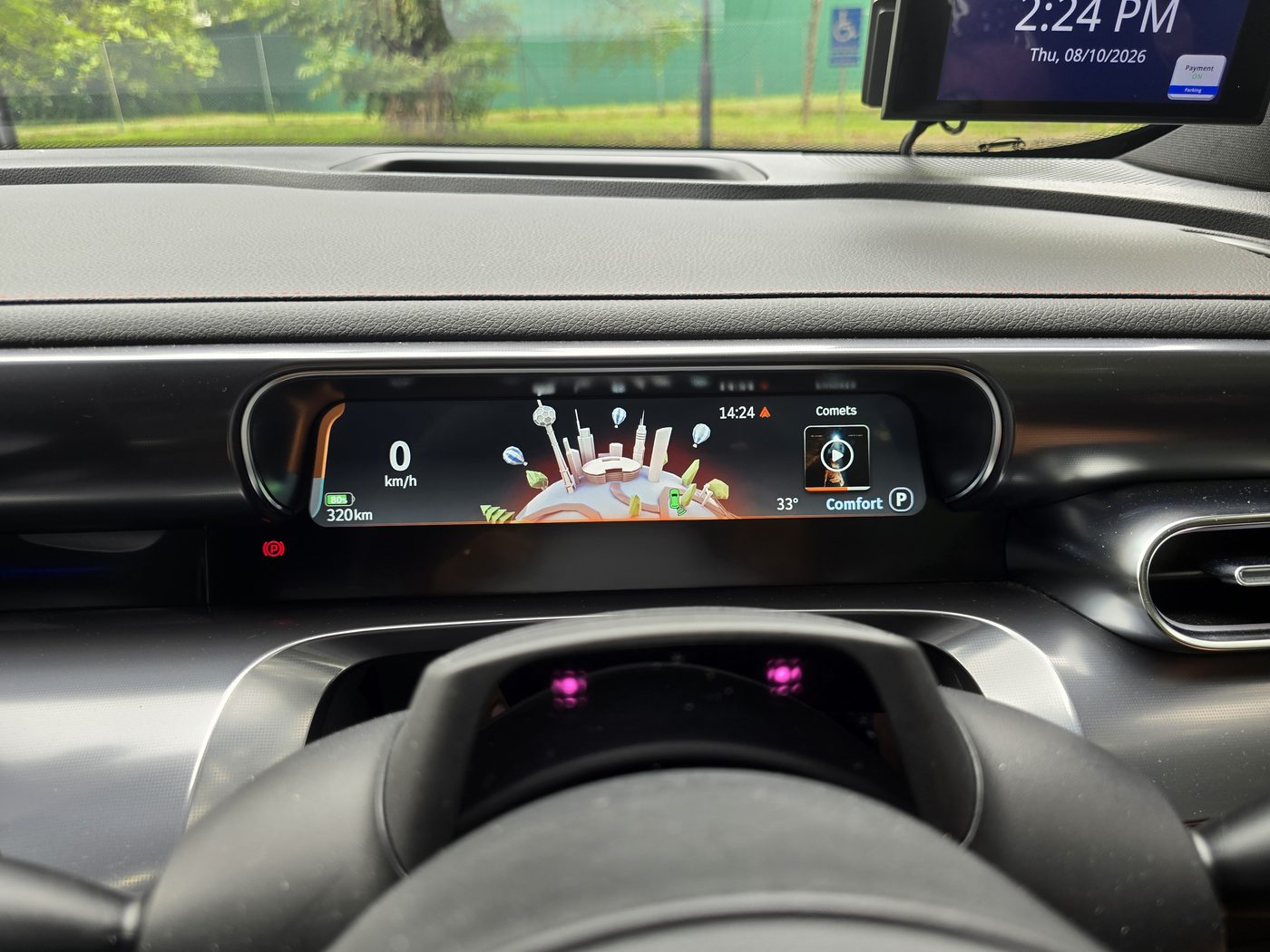
The head-up display is the highlight. It is clear, vibrant, sits in the right spot, and does the job without fuss. I used it far more than the main screen.
The centre screen is fine. It is basic, simple and crisp, with bright colours and a layout that does not try to complicate your life. It has exactly what you need and not a lot more. There are not many apps, the menus are shallow, and I never got lost in it. Android Auto is in there too.
The problem is what lives in it. There is a slim strip of physical shortcuts under the screen for the drive mode, the demisters and the hazards, and a persistent climate bar along the bottom of the display. But the temperature and the fan are taps, not dials. My dream of physical buttons for the aircon has once again been dashed. The aircon itself is strong, no complaints, it just takes a tap and a glance to adjust.
Leo, the in-car assistant, is one of the better ones I have used. Same as in the #5: it understood what I asked, did what I asked, and did not need three attempts. Among the voice assistants I have tested in Singapore, this one is in the top tier.
Cruise control and the safety suite are fine. They work, they do not nag much, and I had no reason to switch anything off.
One omission: no auto parking. In a car this small it is not essential, you can slot it into most HDB bays without help. But cars costing a third of this have it as standard, so its absence here is a strange place to save money.
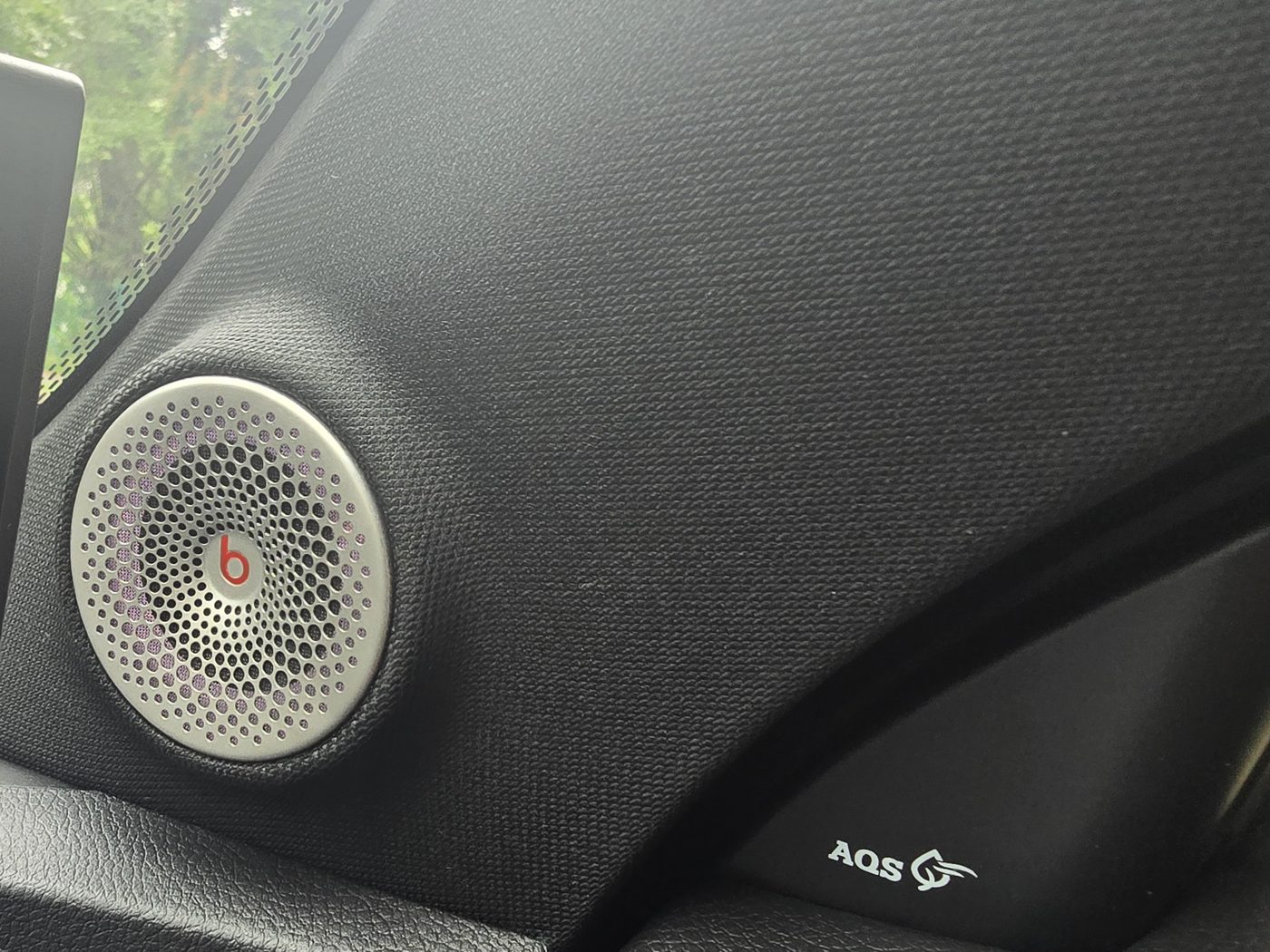
And then there is the sound system. The Beats setup is fantastic. This is a small cabin, so it does not need to push hard, but the bass and the punch on EDM are well beyond what this size of car usually gets. It deserves a special mention.
The back seat and the boot
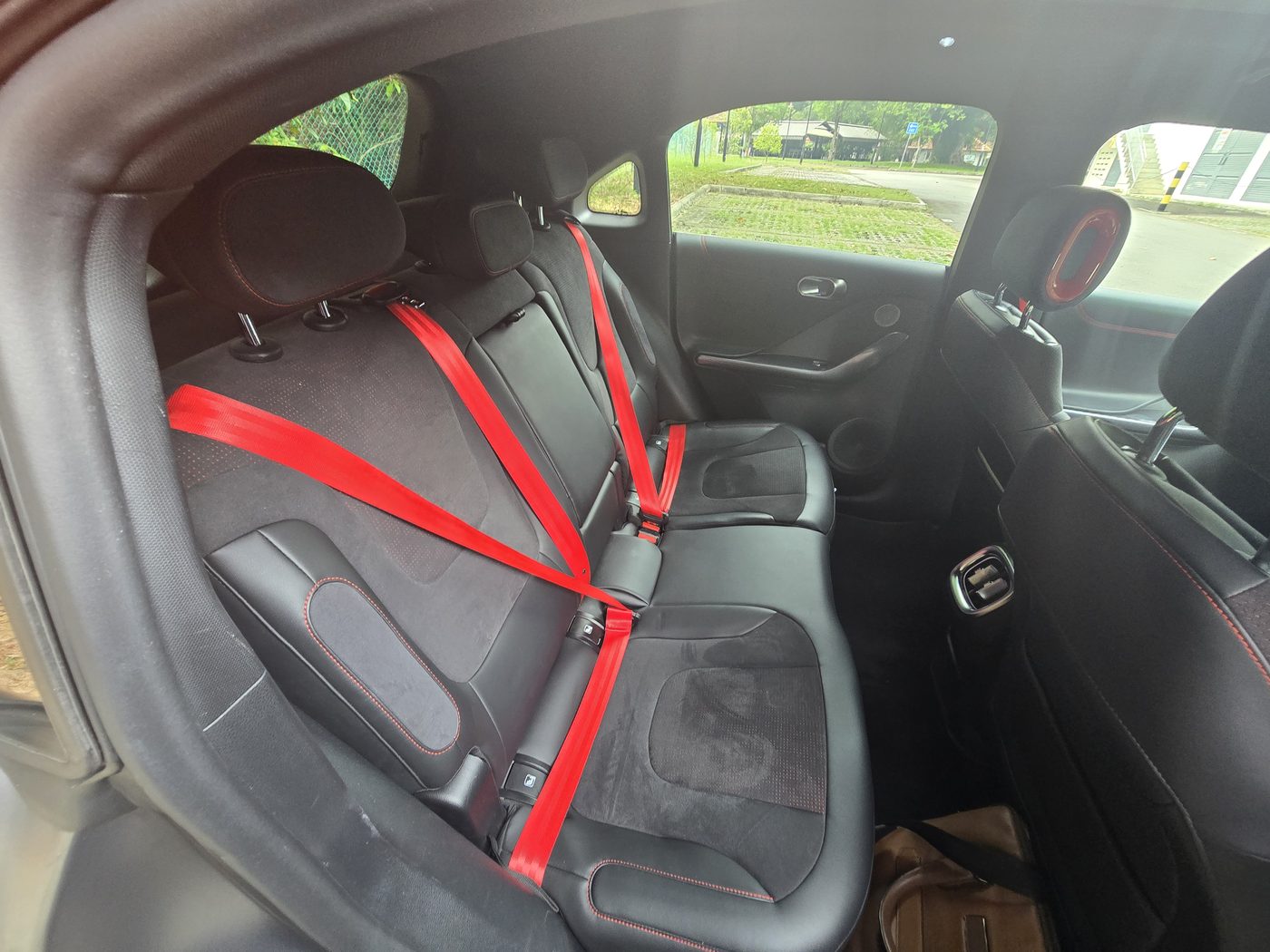
The back seat is small. Two adults will fit. Three will fit if you dislike the one in the middle. Headroom is fine, legroom is tight behind a tall driver, and the bench is not the most comfortable place in the world.
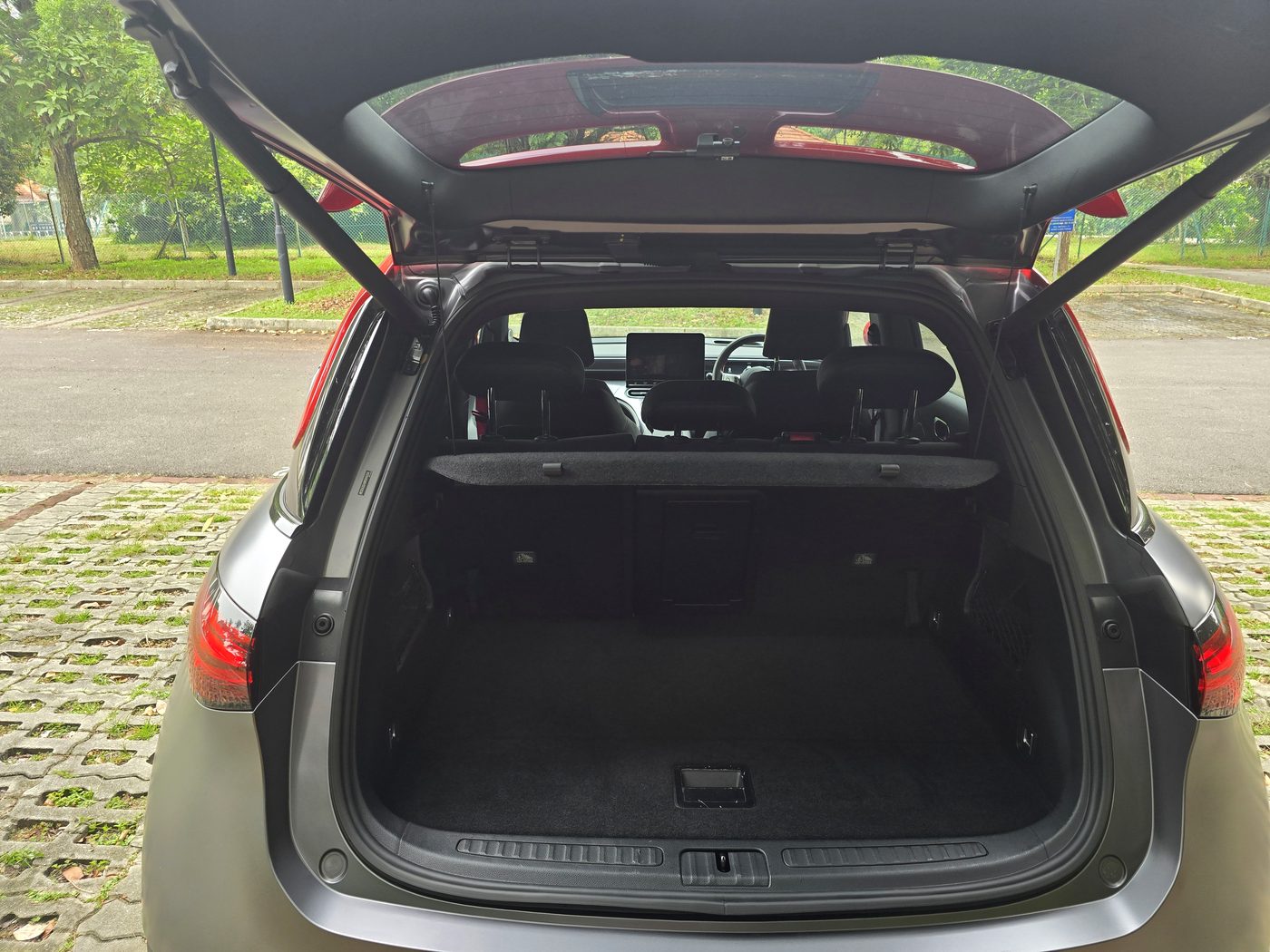
The boot is big enough for the weekly shop and a couple of bags, and no more. This is not a family car and it does not pretend to be. A large family, or anyone who does multi-week supermarket runs, would struggle.
Living with it in Singapore
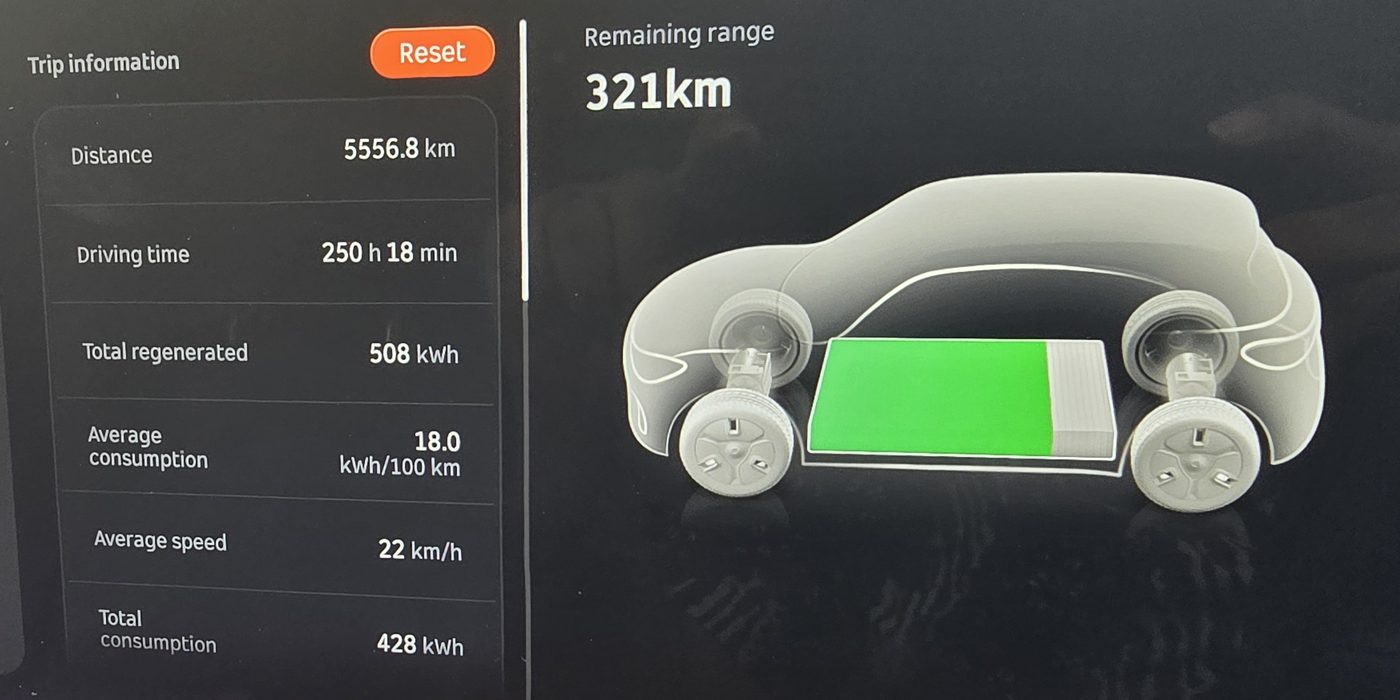
Range is where the two motors show up. smart quotes 400 km on the WLTP cycle. On my loan the screen showed 321 km of range with the battery at 79 per cent, which works out to a little over 400 km on a full charge, so the claim holds up. The car's long-term counter read 18.0 kWh/100 km over more than 5,500 km of press-fleet driving, right on the official 18.2. Not the most efficient car in the class, but then the class does not have two motors and a 3.9 second sprint.
On charging, the brochure quotes 150 kW DC and 10 to 80 per cent in under half an hour, which is enough for a car that will mostly live on a home or carpark charger.
The aircon is solid, the ventilated seats earn their keep, and the car is small enough that Singapore carparks are no drama even without auto parking.
Then there is the road tax. Singapore taxes electric cars on motor output, and 315 kW puts the Brabus at S$4,415 a year: S$3,715 on the power rating plus the S$700 flat component every EV pays. A standard #1 at 200 kW pays about S$2,090. The extra motor costs you S$2,300 a year before you have driven anywhere, and it is the main reason the value score is a 7.
smart is distributed here by Cycle & Carriage, the same people who sell Mercedes-Benz, which makes sense given who designed this cabin. How a two-seat city car became a Mercedes and Geely joint venture building fast SUVs is in Who is smart.
Buying one
The #1 Brabus is around S$240,000 with COE from Cycle & Carriage as of November 2026, and it is a Cat B car. Get the number in writing before you sign anything, because it moves with every COE round.
It is not cheap. But for what you pay, you get a dual motor setup that genuinely entertains, a cabin that looks and feels a cut above the compact crowd, and a car that will still make you laugh six months in. The MINI Aceman JCW, the only car in this class that gets close on fun, was S$307,888 with COE on MINI's September list, and the smart is quicker.
The question most buyers will actually face is Brabus or standard #1, and that answer is in Core or Brabus?. Line them up against the #5 and everything else in our compare tool.
The verdict
The #1 Brabus is a bit mental, and thank god it is.
This is a car for someone who wants a fast, properly quick, different looking EV and does not need the back seat often. Someone who finds most EVs a bit dull and wants one that bites.
It scores 7.8 because the plastics, the back seat, the road tax and the screen-only controls are all real. It gets a 9 for Soul because of what happens when you press the button. The sensible one is the standard #1. This is the other one.