For those who don't know me, I'm a huge Star Trek nut. Specifically the golden age, late eighties through Enterprise. So bear with me, because this review starts in Quahog.
There's a Family Guy episode where Brian asks Stewie the eternal question: Kirk or Picard? Stewie doesn't even blink. Picard. Because Picard is poised and measured, the captain whose entire presence tells you that you're safe, that he will, in Stewie's words, "cradle you in my arms through any crisis in any galaxy."
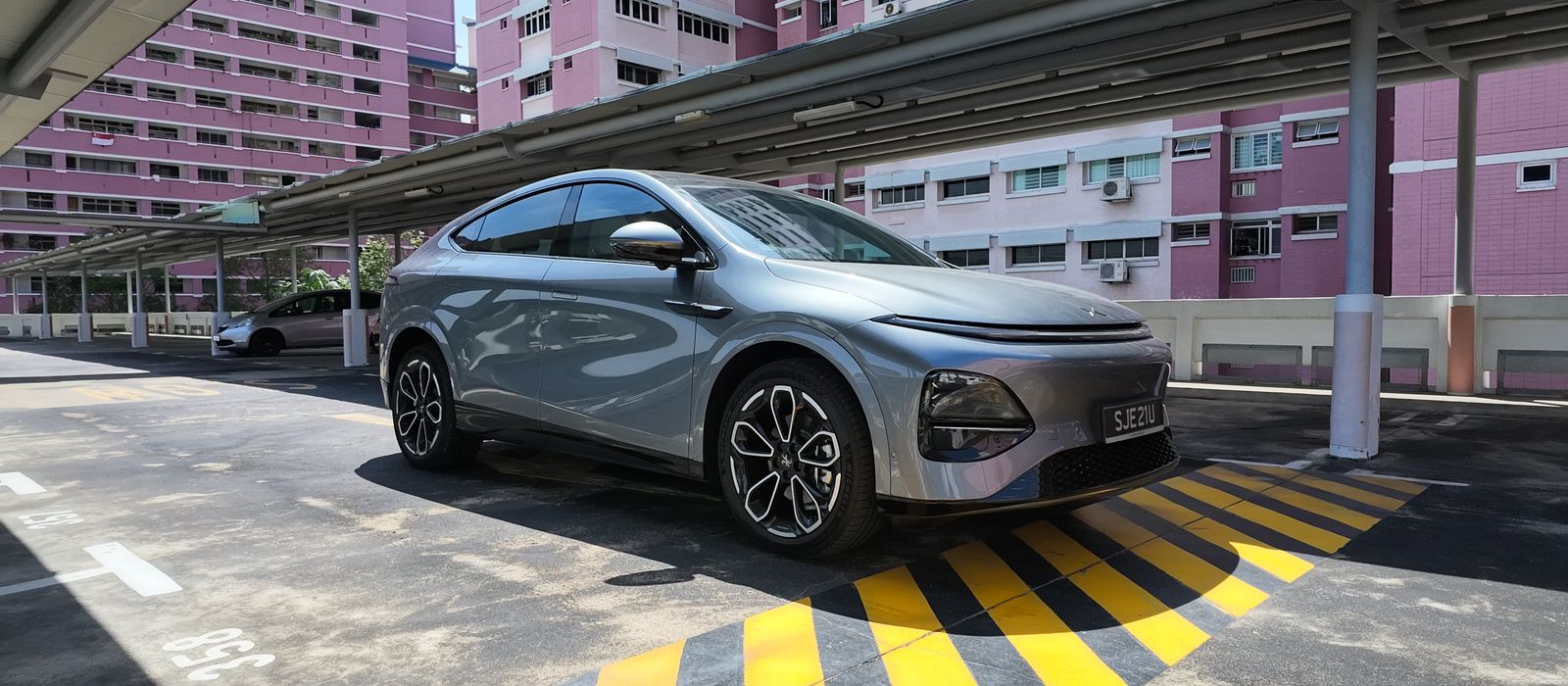
That's the XPENG G6. Captain Picard and the starship Enterprise in one car.
I'm not even being cute. It has a Star Trek ambient lighting mode. I checked twice.
Everything about this car is calm and quietly in command. The driver aids watch the road like a bridge crew. The built-in dashcam and XGuard security suite keep a log of everything happening around the ship. And the cabin is so hushed and so comfortable that a week in it felt less like testing a car and more like being assigned quarters on a very nice deck.
It's a smartphone on wheels in the truest sense. Whether that makes it a great car, or just a great gadget, is what this review is about.
Engage.
Who is XPENG?
Short version: a Guangzhou company founded in 2014 by He Xiaopeng, the man behind UC Browser, which is why the G6 thinks like a phone first and a car second. In Singapore it's sold by XPremium, part of the Premium Automobiles group that spent twenty-five years with Audi.
The long version, with the pop-up showroom, the flying cars and the robots, is in Who is XPENG?
Tech and software
Let's start where the G6 is strongest, because it's stronger here than anything I've tested.
The 15.6-inch screen is fast. Properly fast. There's a Snapdragon 8295 behind it, the same class of chip you'd find in a flagship phone, and every swipe and tap lands instantly. The graphics are sharp enough that the little car avatar on screen drops its window when you drop yours. Silly? Sure. It's also a tell. Someone sweated that detail, and the same care shows up everywhere else.
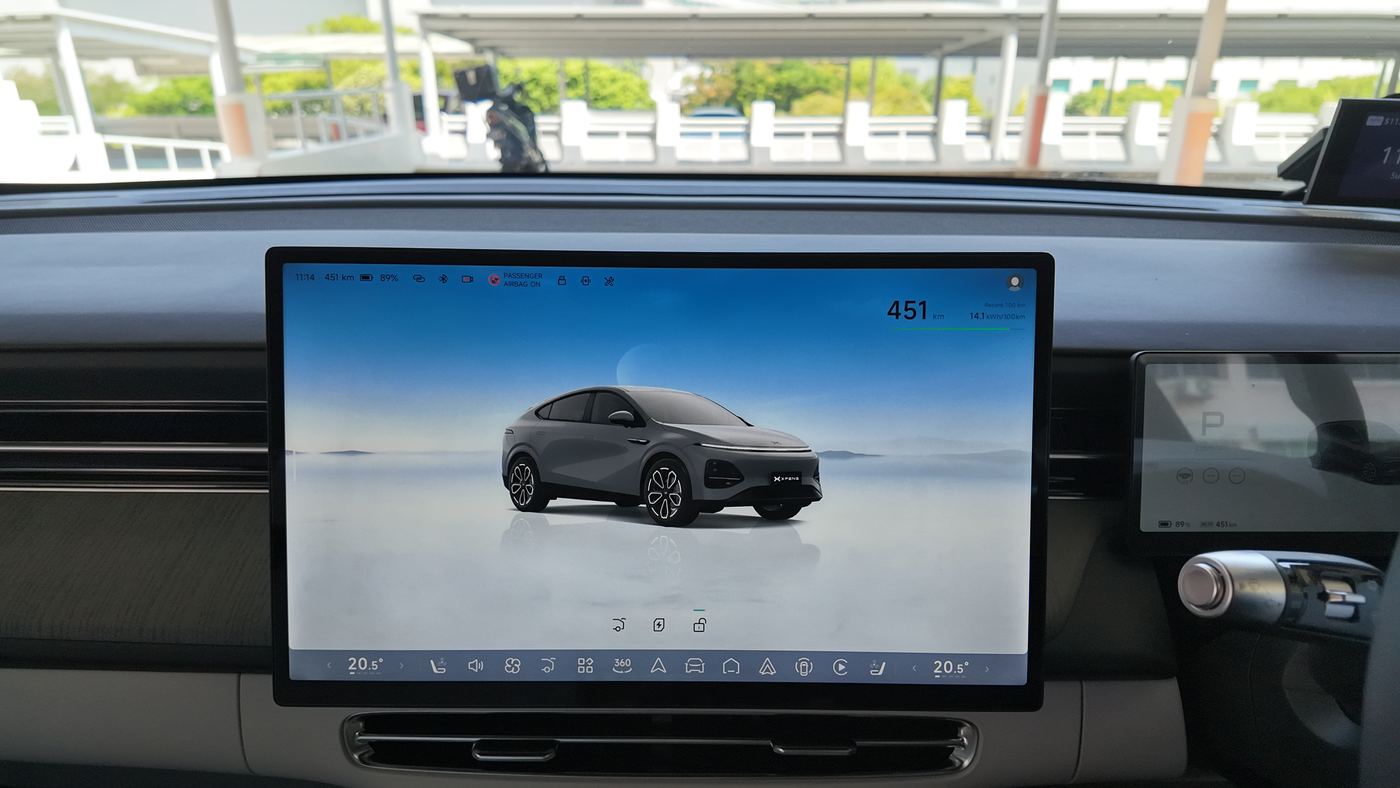
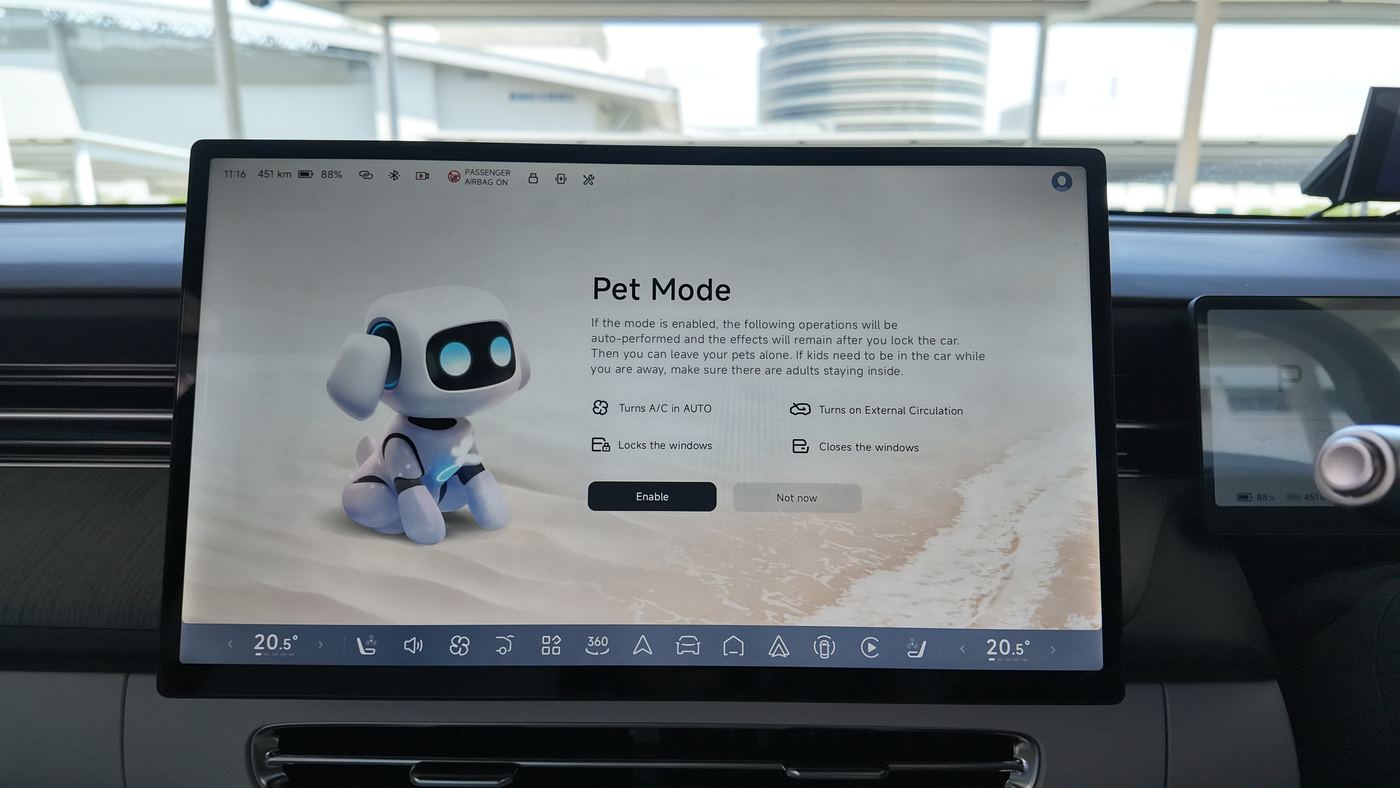
There's an app store. YouTube runs flawlessly. There's a sleep mode and a guided meditation mode, which I fully expected to mock and instead used, sitting in a carpark waiting for someone for twenty minutes. There's a Pet Mode that keeps the aircon running and tells passers-by the dog is fine. If you can think of it, this car can probably do it.
Wireless CarPlay and Android Auto are standard. The phone app is easily the best I've used from a Chinese brand: quick, clean, and it does what it says. There's a UWB key, so the car unlocks as you walk up with your phone in your pocket, plus an NFC card for when the phone's dead.
Then there's XCombo, and this is where the smartphone comparison stops being a metaphor.
XCombo is a macro builder for your car. If you've ever recorded a macro in Excel, or built a Shortcut on your iPhone, you already know how it works: pick a trigger, chain some actions, save it as one tap. The triggers include gear position, time of day, speed, temperature and, on the latest software, arriving at or leaving a saved place. The actions cover climate, seats, lighting, locks, windows, media and more.
The owner community's favourite is the one that engages the rear child locks the moment you shift into Drive. Another popular one drops the volume to level one whenever a door opens, so your neighbours never hear what you were listening to. Owners trade these on shared catalogues the way people used to trade spreadsheet macros.
This is the bit that matters. Most carmakers give you a handful of preset "scenes" and call it a day. XPENG hands you the tools and lets you write your own. It's the kind of feature every brand will copy in five years. XPENG has it now, and it works.
Then there's the alphabet soup. XPILOT, XGuard, Xopera, XCombo. A lot of X's. The letters are silly but the substance isn't.
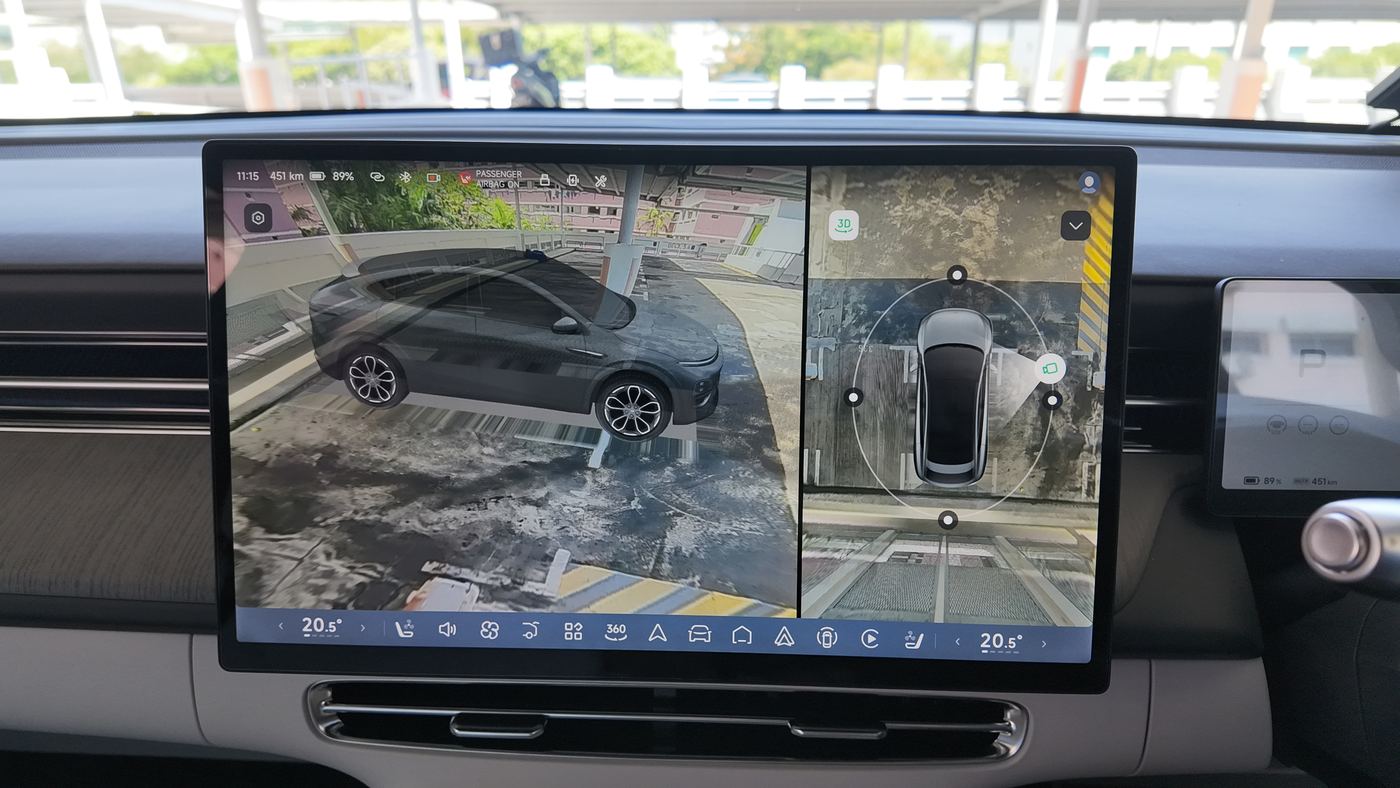
XPILOT is the best driver assistance I've had the pleasure of testing. It runs on an Nvidia Orin-X chip fed by twelve cameras, five radars and twelve ultrasonic sensors, and the difference shows. It just works. You can dial in exactly how much help you want, from hands-on-everything to let-the-bridge-crew-handle-it, and it never once did anything that made me flinch.
XGuard is the one I didn't expect to love. It's the car's security and recording suite, and every time the car senses something it doesn't like, a small light appears on the screen to say it's recording. That's a small thing. In a Singapore carpark, it's a very reassuring small thing.
Interior quality
This is the Picard section.
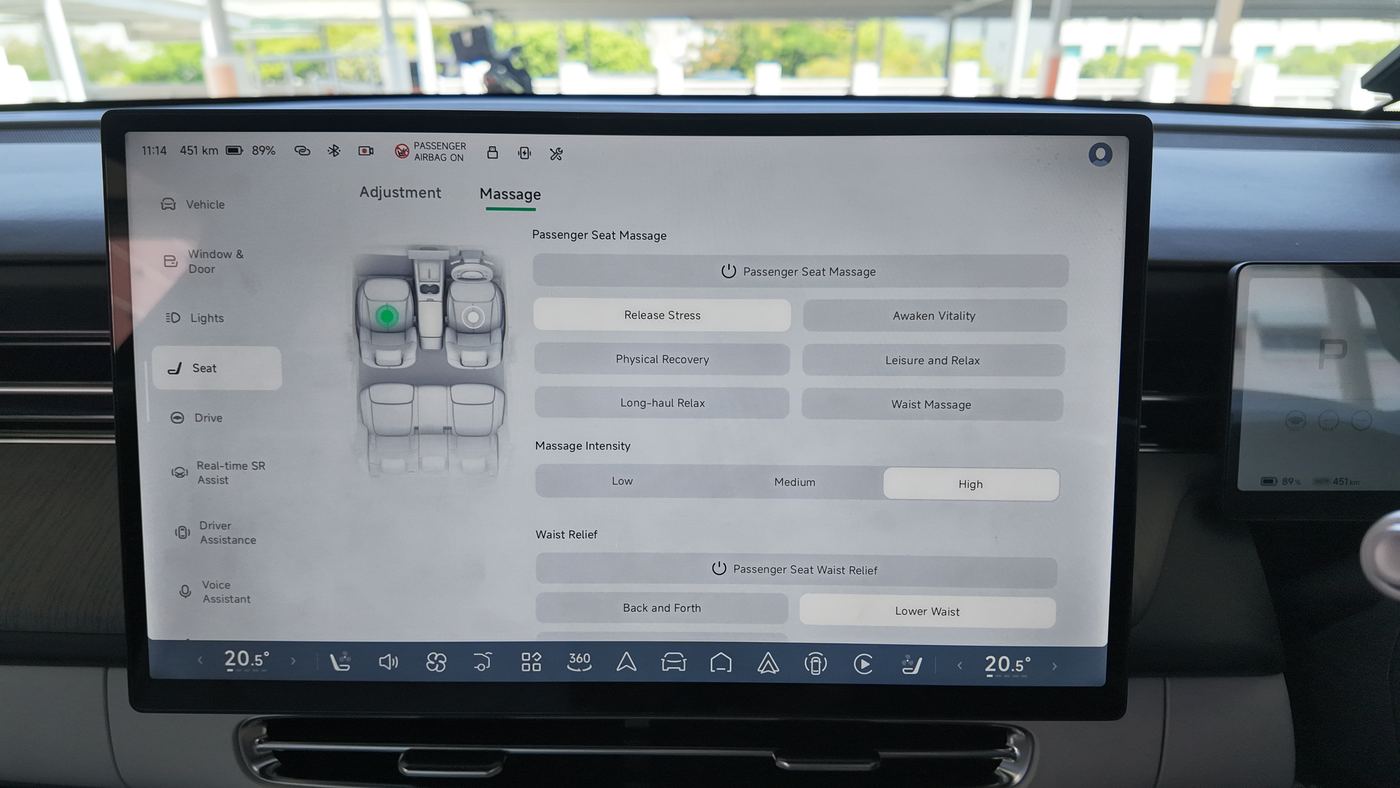
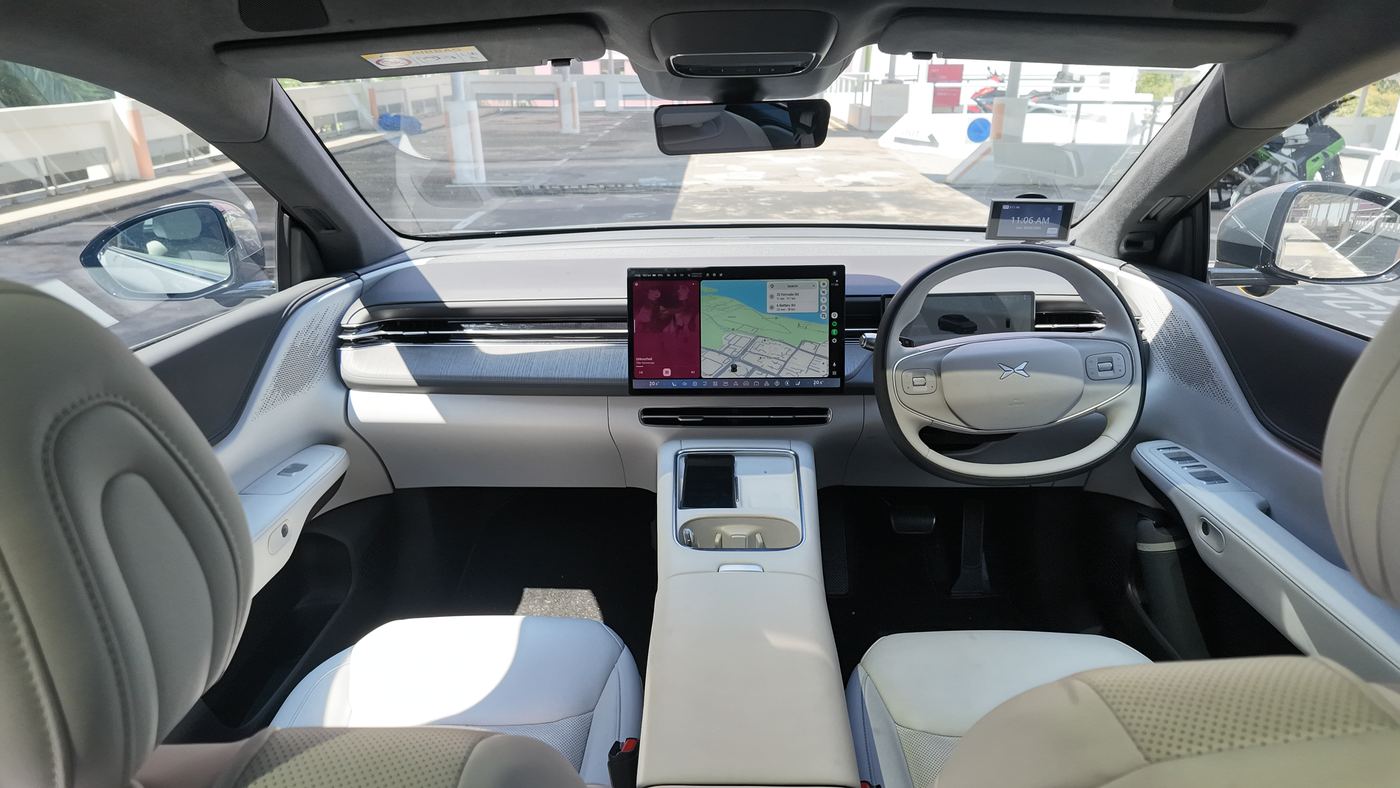
The G6 is supremely comfortable and sumptuously appointed. Nappa seats with ten-way adjustment, three-speed ventilation and a massage function. There's also a four-way lumbar adjustment that I kept calling the waist massager all week, because that's what it feels like. Both front seats get the full treatment, and there's a microfibre headliner overhead that you'll find yourself touching for no reason.
The aircon is brilliant, and it gets physical buttons on the steering wheel for fan and temperature. Media controls live there too. You'll still wish for more buttons elsewhere, but the ones that matter most in Singapore are right under your thumbs.
The speakers are among the best I've heard in a car. It's an 18-speaker, 960-watt Xopera system with two of them tucked into the driver's headrest, which is why the sound wraps around you rather than coming at you. The BMW iX3 still edges it for sheer clarity, but that's the only car I've tested that does. Sync the 256-colour ambient lighting to the music at night and the cabin turns into something closer to a lounge than a car.
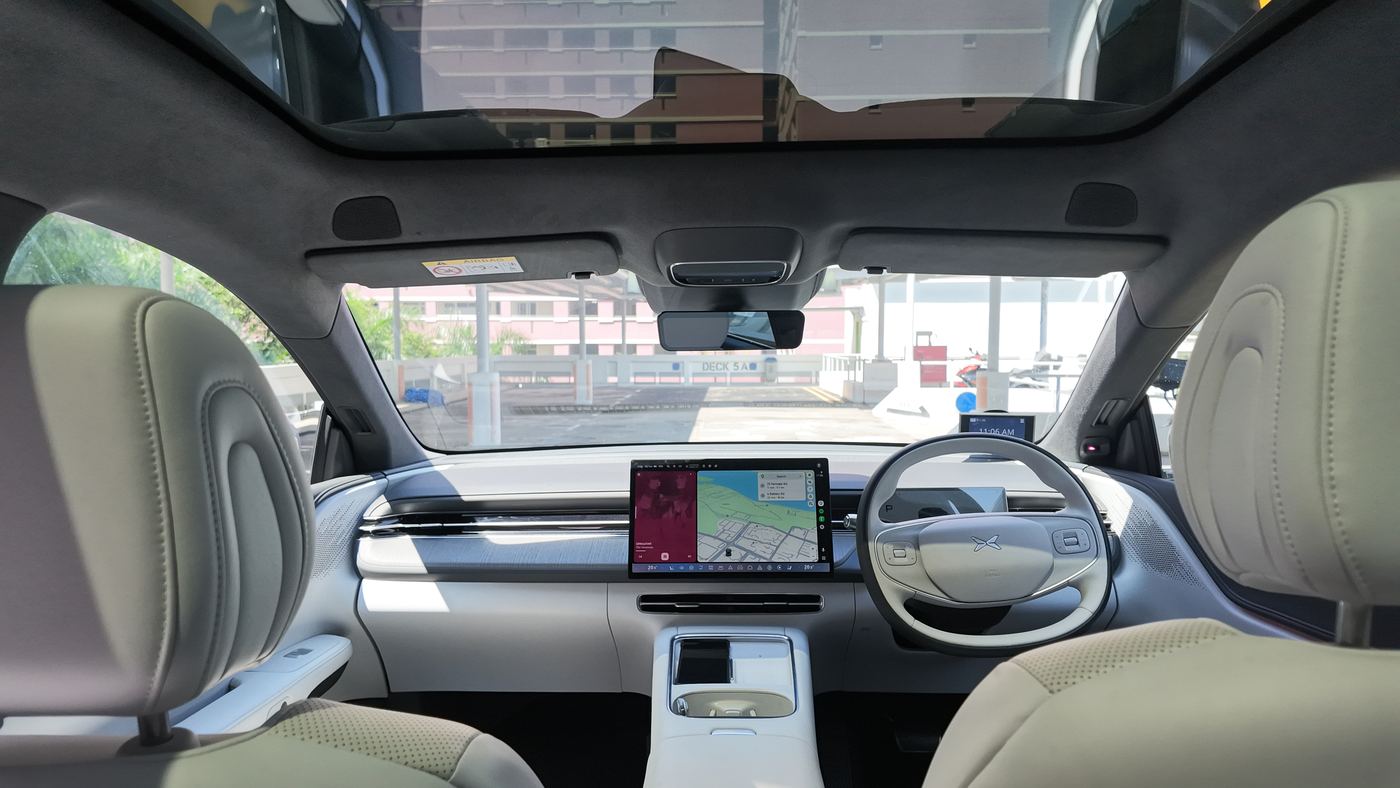
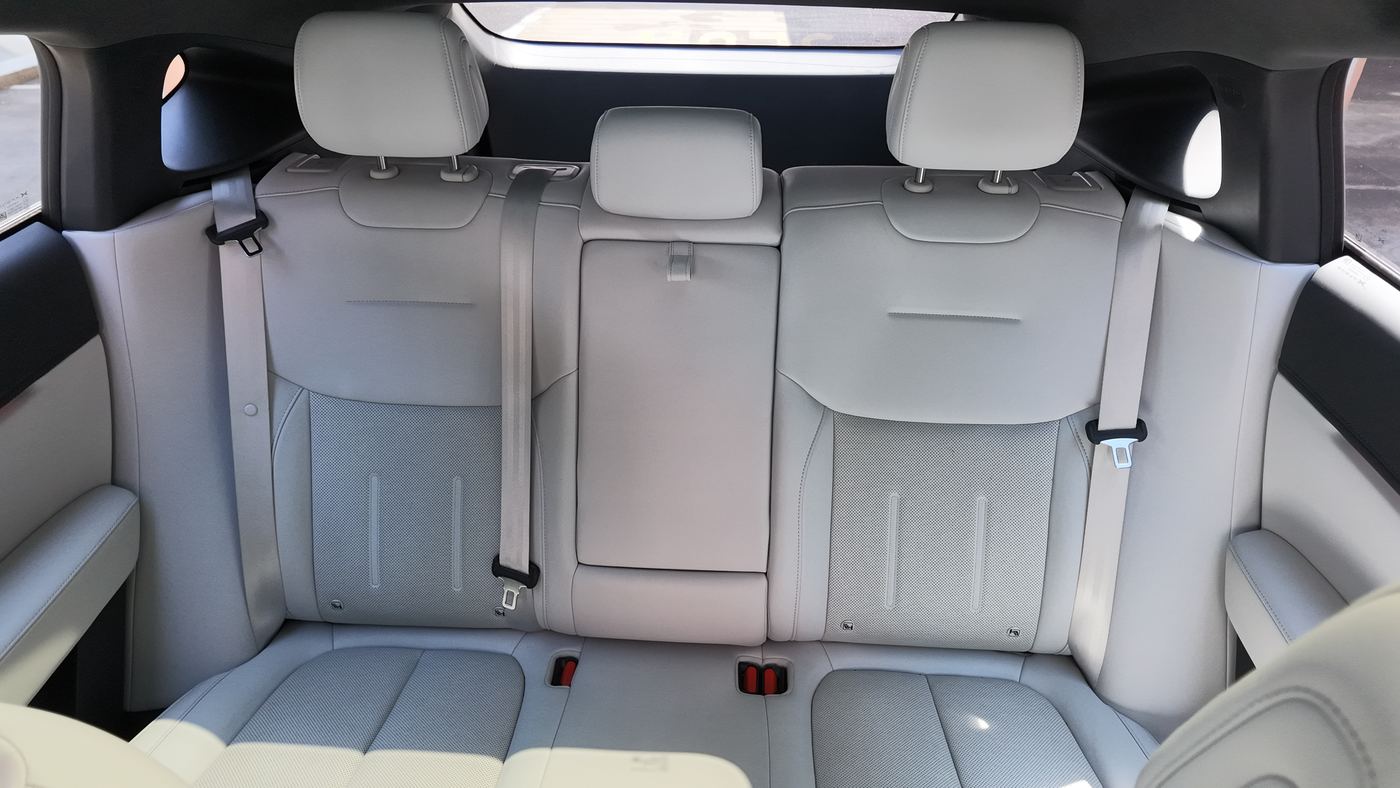
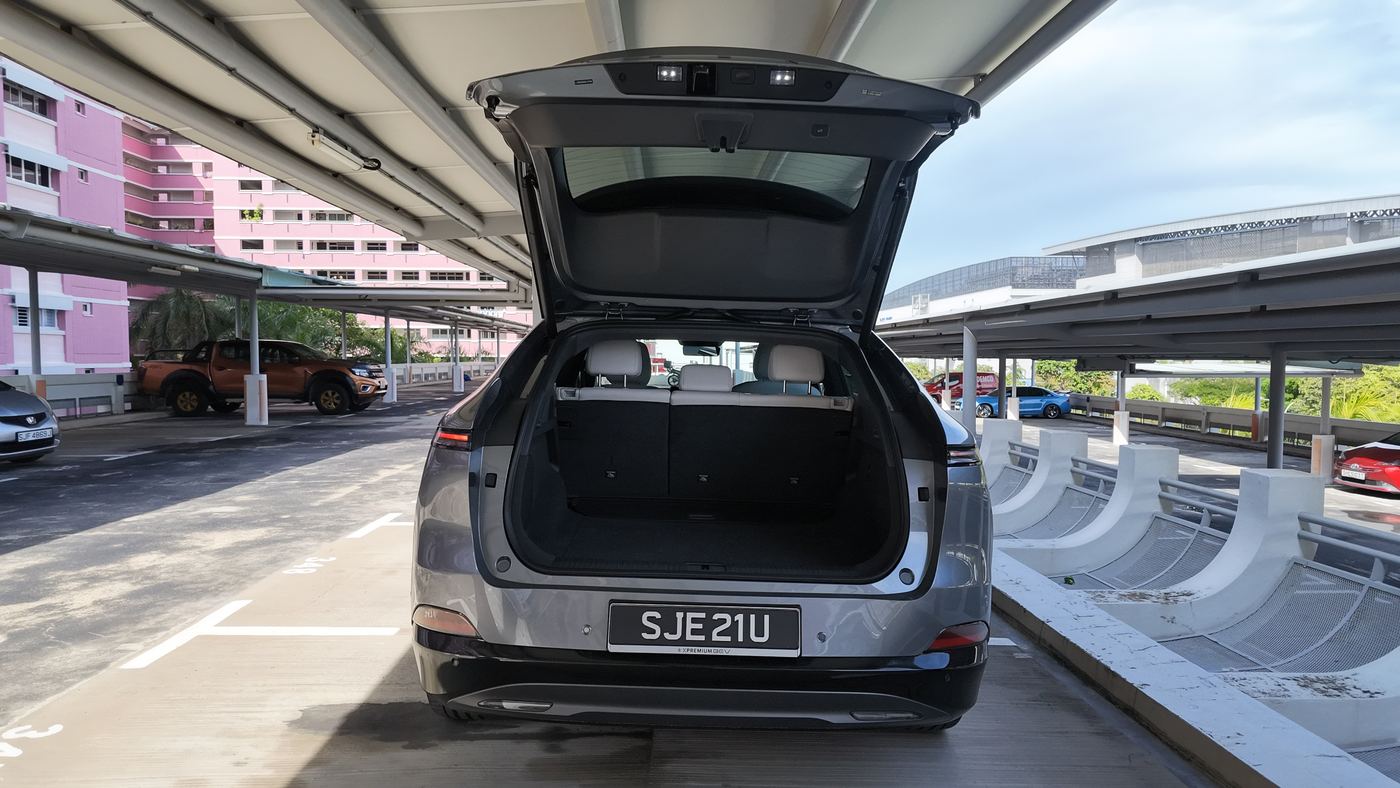
Back seats are big and comfy, with a proper armrest and their own USB-C ports. The boot is very big, 571 litres before you fold anything. Nothing in here feels like it was built down to a price.
Here's the thing I keep coming back to. For the money, this feels like a Mercedes, a BMW, an Audi. That sumptuous German kind of comfort. It's miles above anything I've tested from a Chinese brand, and it isn't close.
The cabin feels like it belongs to a car costing a hundred thousand dollars more. The drive feels like it belongs to a very comfortable sofa.
The drive
Now the honest part.
This is not a driver's car. The Performance has 480 horsepower and it's seriously fast in a straight line. The kind of quick that makes passengers go quiet.
In the corners, it's fine. The steering isn't agile. It's a bit wobbly, and the car floats rather than flows. It's an ocean liner. It'll get there, comfortably, and it will never once ask you to push it.
The steering wheel itself is worth a mention. It's different and unique, which is a polite way of saying it's not the most ergonomic thing in the world.
What saves all of this is that the G6 knows exactly what it is: a very high-tech, very comfortable way to move people from A to B, and every decision in the drive serves that purpose. It never promises sporty, so it never disappoints on sporty.
Living with it in Singapore
Over a week of normal driving, aircon on full, the trip computer read 13.4 kWh per 100 km. XPENG's own claim is 18.4. Cars almost never beat their official figure in this heat, let alone a 2.2-tonne, 480 hp SUV, and this one beat it by a distance.
Range follows. With 83% showing, the car had 422 km left, which works out to roughly 500 km from full against the 510 km claim, and the efficiency suggests there's more in it if you drive gently.
On paper, charging is where the spec sheet gets ahead of the country. The G6 will take 451 kW and claims 10 to 80% in twelve minutes. Nothing in Singapore delivers that today, so treat it as future-proofing rather than a daily reality. There's 6 kW vehicle-to-load if you ever need to run a kettle from a carpark.
The dashcam and XGuard make the daily grind feel safer. The aircon and the CN95 cabin filter make it feel cooler, and the seats make an hour on the PIE feel like twenty minutes.
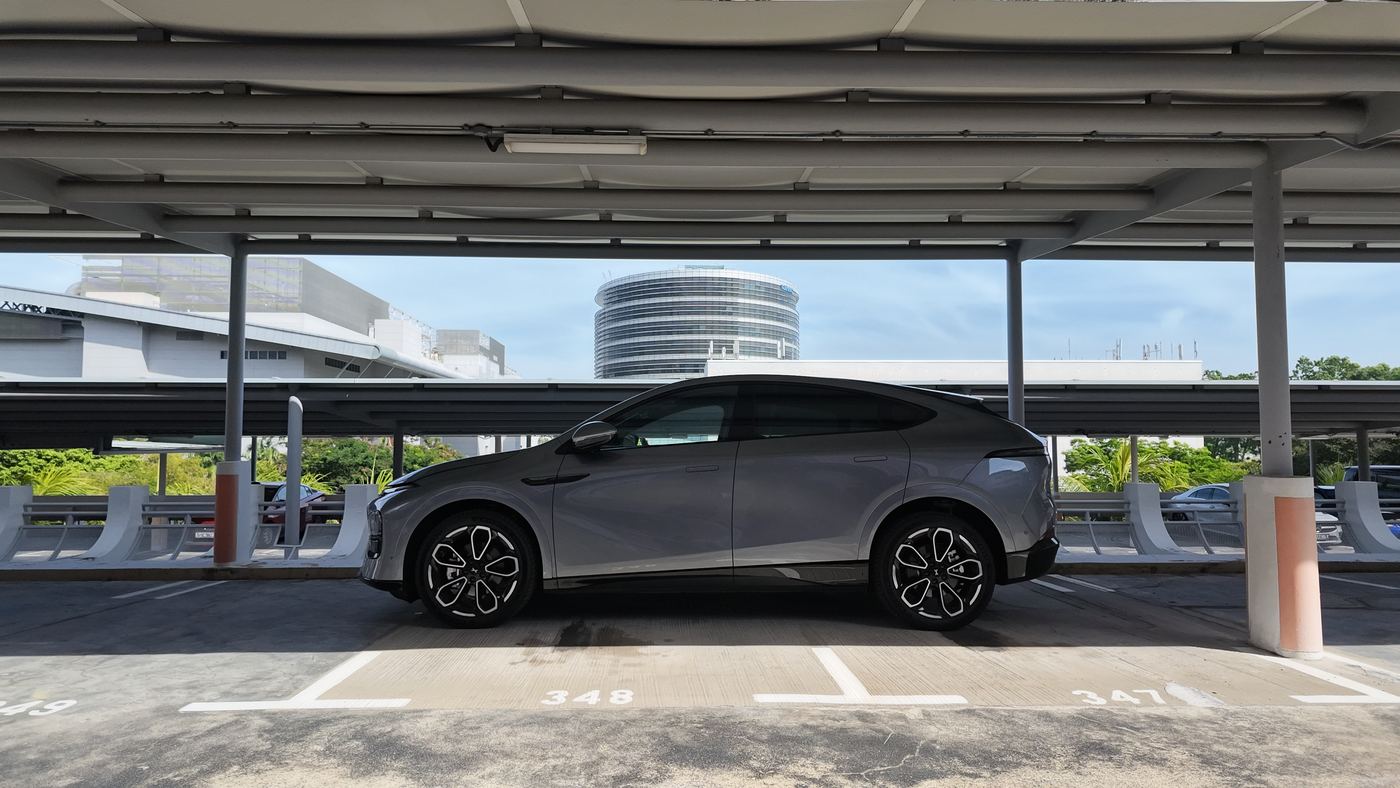
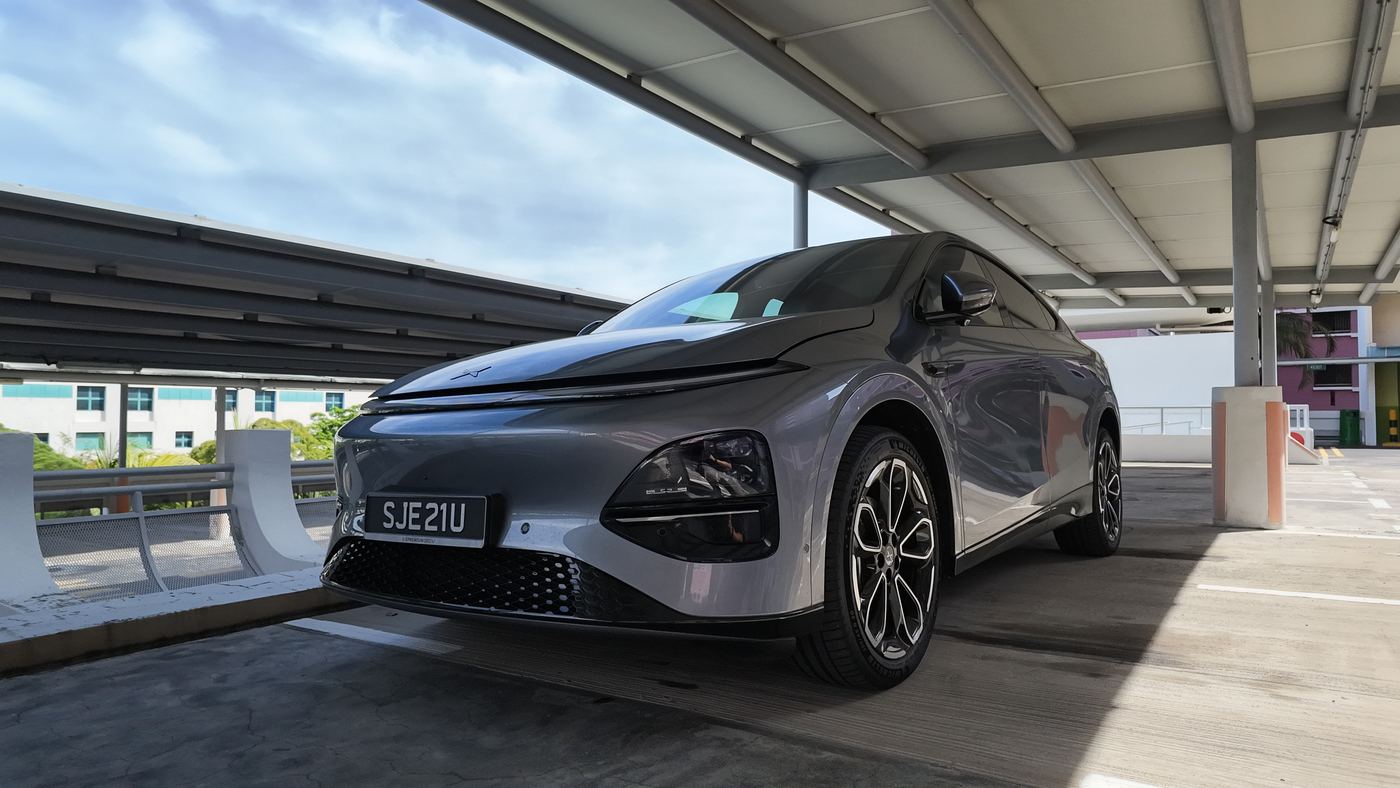
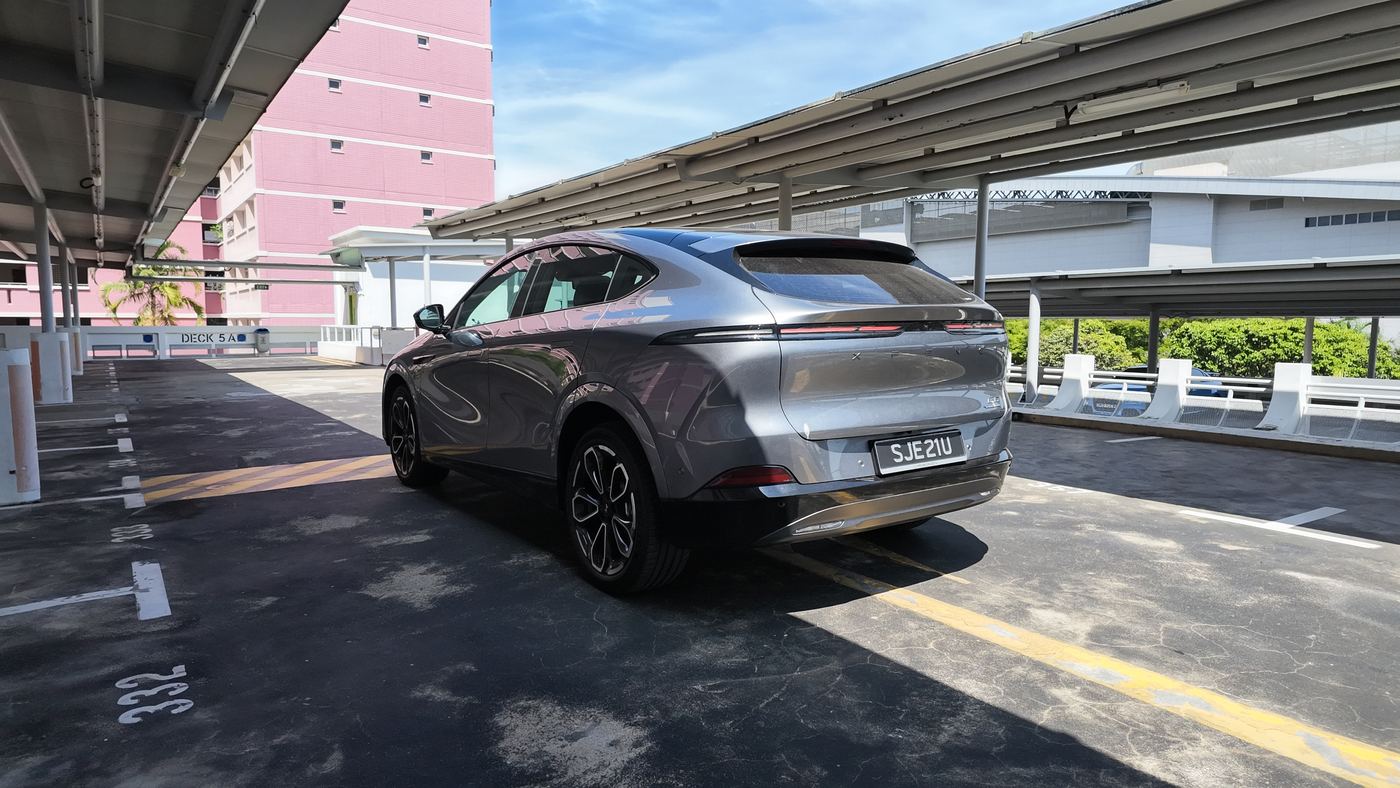
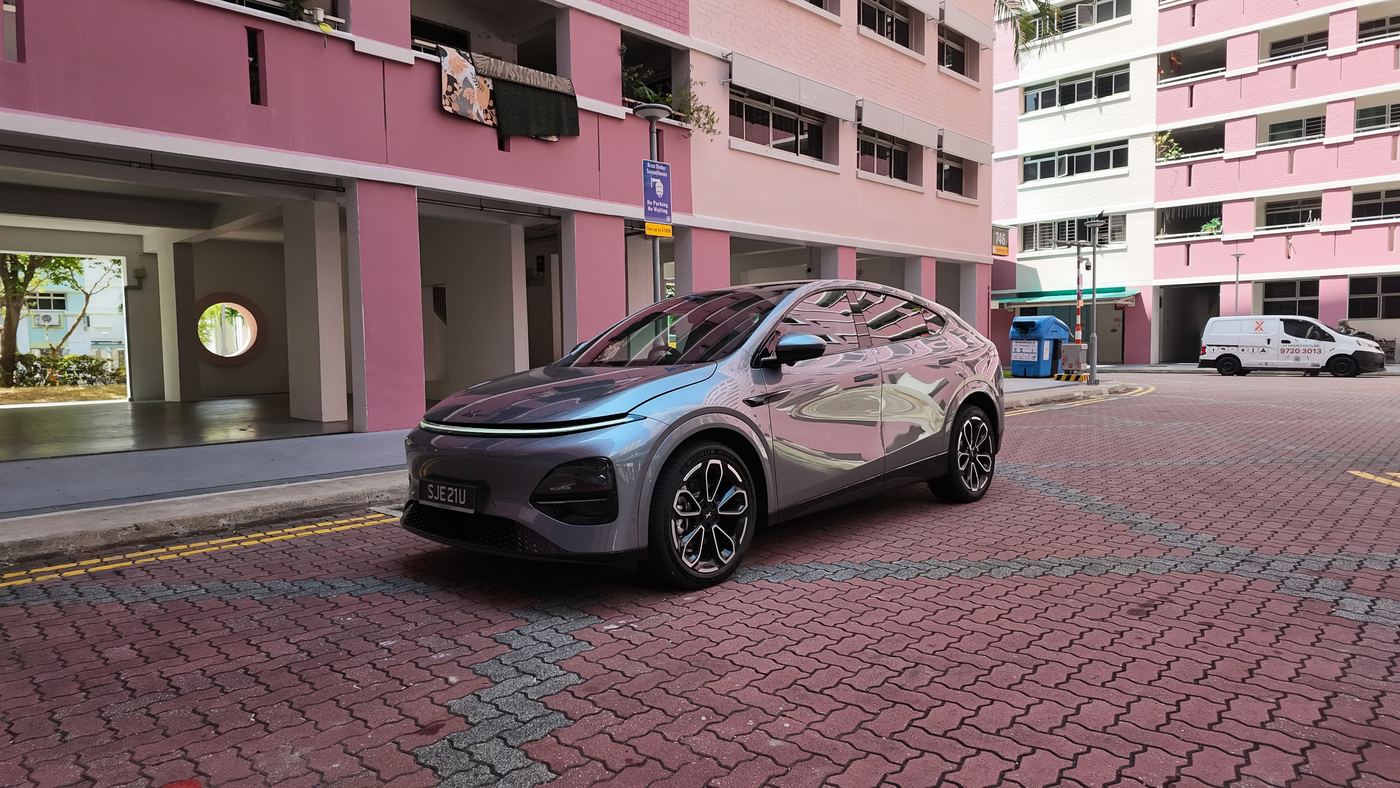
On looks, it's divisive. Very rounded, none of the sharp angular stuff most EVs are chasing. I think it's handsome, especially from the side, and it's slippery for a car this size, which matters for range.
Which G6 should you buy
Here's where it gets interesting, because Singapore's trim walk is unusual.
There are three G6s. The Air RWD Standard Range at S$233,999. The Pro RWD Long Range at S$250,999. And this one, the Pro AWD Performance, at S$279,999. All list prices with COE, as of 10 September 2026.
The two Pros share everything that made this review: the same 80.8 kWh battery, the same cabin, the same screen, the same 18 speakers, the same XPILOT hardware. The Long Range gives you 525 km of claimed range instead of 510, does 0 to 100 in 6.7 seconds instead of 4.1, and costs S$29,000 less.
So the question is simple. Is 2.6 seconds worth S$29,000 to you? For most people reading this, it isn't. The Long Range is the same living room with a slightly smaller engine room, and the G6 was never about the engine room anyway.
As for the Air, we have one coming in for review, so hold that thought. You can line all three up against the rest of the market in our compare tool.
The verdict
Back to Picard.
Kirk is fun. Kirk gets you into trouble and out of it. Picard gets you home, calmly, every single time, and you never once worry about it. The G6 is Picard. That's a compliment, and it's also why the Soul score sits where it does.
If I wanted a car to get me from A to B in sumptuous comfort, this is the one I'd pick. Without a doubt. There's nothing I've tested at this price that does comfort and tech this well, and it makes cars costing far more feel like they're trying too hard.